








What's Happening?
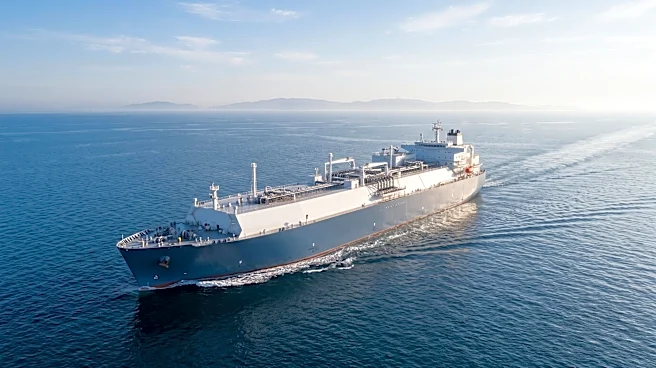
GTT Marine and Normec Verifavia have integrated their digital platforms to streamline the exchange and verification of vessel emissions data. This collaboration aims to simplify regulatory compliance for shipping operators by connecting GTT Marine's Vesper
Insights with the Normec Verifavia Emissions Verification dashboard. The integration eliminates the need for manual file exchanges, enabling continuous verification of emissions data rather than relying on periodic submissions and year-end reconciliation. The system is designed to support various fuel pathways, including Bio-LNG and other low-carbon fuels, and addresses compliance requirements for multiple regulations. These include the EU Emissions Trading System, FuelEU Maritime, EU and UK MRV (Monitoring, Reporting, and Verification), IMO DCS (Data Collection System), and Carbon Intensity Indicator regulations. This direct data pipeline is already being utilized by several customers across different fleet segments.
Why It's Important?
This integration is crucial for the U.S. maritime industry, which operates globally and must comply with international and regional emissions regulations. The automation of emissions data exchange and verification significantly reduces the administrative burden and potential for errors associated with manual processes. For U.S. shipping companies, this means more efficient compliance with complex and evolving environmental mandates, potentially avoiding penalties and improving operational transparency. The continuous verification process allows for earlier identification of potential issues, enabling proactive management of compliance obligations. As global pressure mounts to decarbonize the shipping sector, solutions that simplify reporting and verification are vital. This development helps U.S. operators navigate the complexities of international environmental regulations, ensuring they remain competitive and compliant in a rapidly changing regulatory landscape. It also supports the broader adoption of low-carbon fuels by providing a robust system for tracking and verifying their environmental benefits.
What's Next?
The successful implementation and adoption of this integrated platform by multiple customers suggest a trend towards greater digitalization in maritime emissions reporting. U.S. shipping companies not yet utilizing such integrated solutions may consider adopting similar technologies to enhance their compliance efficiency. The continuous evolution of emissions reporting requirements, as highlighted by Normec Verifavia's Business Unit Director Rajat Bishnoi, indicates that such digital tools will become increasingly indispensable. The focus will likely shift towards further integration of various data sources and compliance tools to create a more seamless and comprehensive ecosystem for environmental management in shipping. This could also lead to the development of new industry standards for digital data exchange and verification, further solidifying the role of technology in achieving environmental sustainability goals within the maritime sector. The ongoing use of this direct data pipeline by customers across different fleet segments will provide valuable insights for future enhancements and broader industry adoption.
Beyond the Headlines
Beyond immediate compliance benefits, this technological integration points to a deeper transformation within the maritime industry. The emphasis on continuous verification and the elimination of manual processes underscore a move towards 'smart shipping,' where data-driven insights are central to operational efficiency and environmental stewardship. This shift has ethical implications, as it promotes greater accountability and transparency in environmental performance, making it harder for operators to misrepresent their emissions. It also highlights the growing importance of interoperability between different digital platforms in complex global industries. For the U.S., embracing such innovations is critical not only for environmental reasons but also for maintaining a competitive edge in the global shipping market. The long-term impact could be a more sustainable and resilient maritime sector, driven by advanced data analytics and integrated digital solutions that foster a culture of continuous environmental improvement.