


What's Happening?
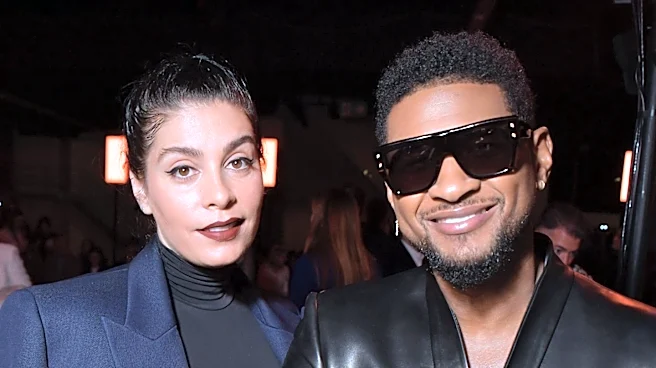
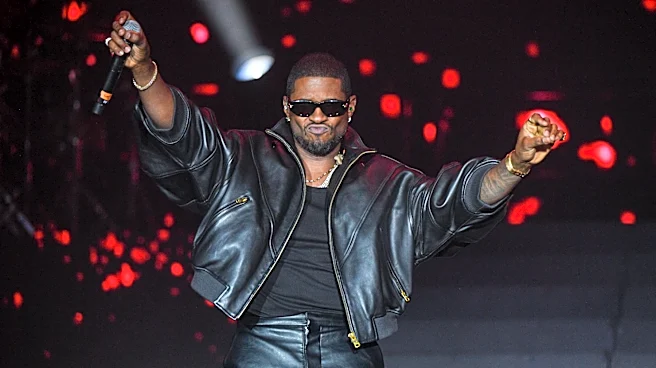
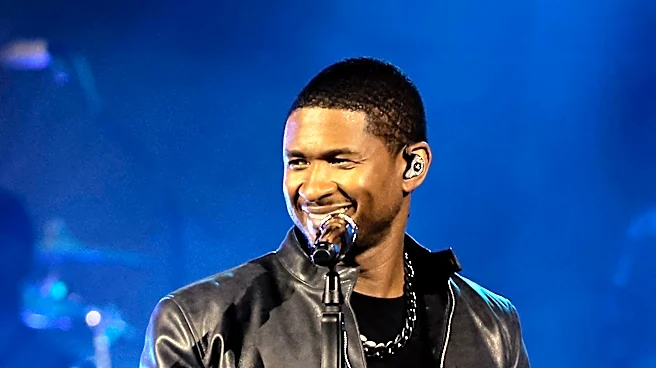
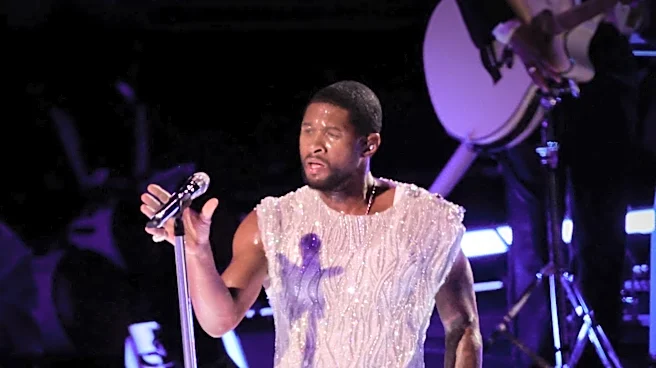
Usher, a prominent R&B artist, has addressed viral speculation regarding his performance at the Raymond & Brown Tour stop at MetLife Stadium in New Jersey. Fans questioned whether Usher was the actual performer on stage, as some claimed he looked different
in appearance and movement. The speculation arose from concert footage shared online, where Usher was seen wearing an all-white outfit, hat, and sunglasses, which obscured parts of his face. This led to theories that a body double might have been used. Usher responded to these claims on social media, humorously dismissing the idea of a body double and sharing footage to confirm his presence at the concert.
Why It's Important?
The incident highlights the impact of social media on public perception and the rapid spread of rumors. For artists like Usher, whose careers are built on recognizable performances, such speculation can affect their public image and fan trust. The situation underscores the challenges celebrities face in maintaining their authenticity in an era where digital manipulation and viral content can easily distort reality. It also reflects the broader issue of how quickly misinformation can spread online, influencing public opinion before facts are established.
What's Next?
Usher's direct response to the rumors may help mitigate the spread of misinformation, but it also sets a precedent for how celebrities might handle similar situations in the future. As social media continues to play a significant role in shaping narratives, public figures may increasingly need to engage directly with their audiences to clarify misconceptions. This incident may prompt discussions within the entertainment industry about managing public relations in the digital age.
Beyond the Headlines
The speculation around Usher's performance is part of a larger trend where fans scrutinize every detail of celebrity appearances, often leading to conspiracy theories. This reflects a cultural shift where audiences are not just passive consumers but active participants in creating and spreading narratives. The incident also raises questions about the ethical responsibilities of social media platforms in curbing the spread of unfounded rumors.