


What's Happening?
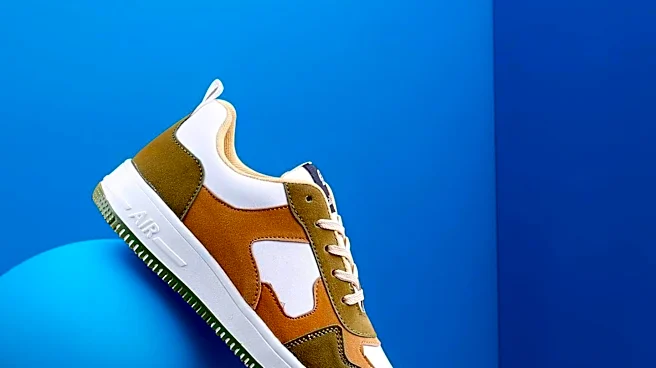
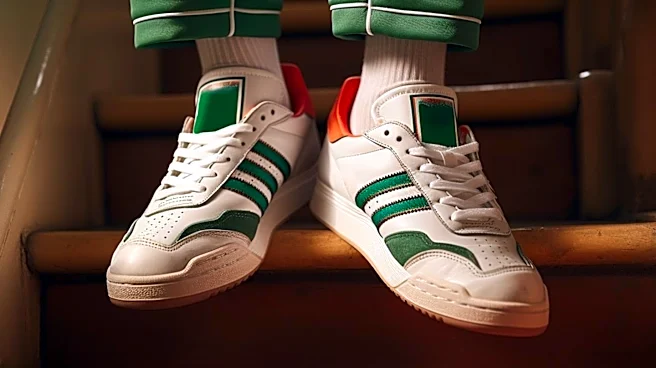
Nordstrom has included a 'Rosé Gender Inclusive 'Speedcat Vintage' Sneaker' by Puma and a 'Gender Inclusive Samba Og Sneaker' by Adidas in its early Black Friday deals. These items are part of a broader selection of basics and trending fashion pieces
offered by the retailer. The inclusion of gender-inclusive footwear highlights a shift in retail towards more versatile and less gender-specific clothing and accessories. The 'Speedcat Vintage' sneaker is noted for its leather material, while the 'Samba Og' sneaker is highlighted for its affordability. This move by Nordstrom reflects a growing trend in the fashion industry to cater to a wider range of consumer preferences, moving beyond traditional gendered categories in product offerings.
Why It's Important?
The inclusion of gender-inclusive footwear in Nordstrom's major sales event signifies a notable evolution in the U.S. retail landscape. This trend impacts not only fashion brands and retailers but also consumers who are increasingly seeking versatile and non-binary options. For businesses, embracing gender-inclusive lines can broaden their customer base and enhance brand perception among diverse demographics, particularly younger generations who prioritize inclusivity. It also challenges traditional marketing and merchandising strategies, pushing companies to rethink how products are designed, presented, and sold. Consumers benefit from a wider array of choices that align with personal style rather than prescribed gender norms, fostering a more inclusive shopping experience. This shift could lead to increased competition among retailers to offer similar product lines, potentially driving innovation in design and marketing.
What's Next?
As major retailers like Nordstrom continue to integrate gender-inclusive products into their mainstream offerings, other fashion brands and department stores are likely to follow suit. This trend could lead to a more widespread adoption of gender-neutral sizing and marketing across various product categories, from apparel to accessories. We may see an increase in collaborations between brands and designers specializing in inclusive fashion. Furthermore, consumer demand for such products is expected to grow, influencing future product development cycles and retail strategies. The success of these early initiatives during high-traffic sales periods like Black Friday will likely inform future investment in gender-inclusive lines, potentially making them a standard rather than a niche offering in the U.S. market.
Beyond the Headlines
The move towards gender-inclusive fashion, as exemplified by Nordstrom's offerings, reflects deeper societal shifts regarding gender identity and expression. This trend challenges long-standing cultural norms embedded in the fashion industry, which has historically relied on strict gender binaries. Beyond commercial implications, it promotes a more fluid understanding of personal style and identity, potentially reducing gender-based stereotypes in clothing. This development also raises questions about the ethical responsibilities of brands to represent diverse consumer needs and identities. It could foster a more accepting and inclusive public sphere where individuals feel more comfortable expressing themselves through fashion, free from traditional constraints. The long-term impact could be a more equitable and representative fashion industry that better serves the evolving values of American society.