







What's Happening?
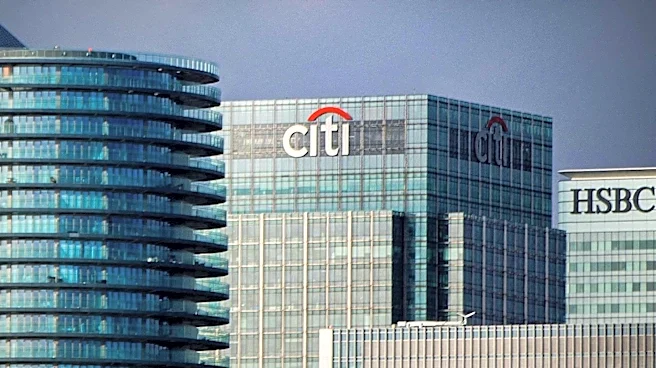
Citi has announced that it is the first bank to implement multi-market instant payments on the Swift payments scheme. This new solution, facilitated by Citi’s Global Clearing network and WorldLink® Payment Services, enables bank clients to access multiple
cross-border instant payment markets through a single account structure. This eliminates the necessity for separate local banking relationships, bilateral agreements, or local technical infrastructure, simplifying international transactions. Citi plans to extend this capability to additional currencies and markets in the future. This initiative is a result of collaboration with Swift and the broader banking ecosystem, aiming to shape the future of cross-border payments. It builds upon Citi's existing participation in Swift's ledger initiative and its real-time capabilities, including Citi Custody+, 24/7 USD Clearing, and Citi Token Services, aligning with Citi Services' strategy for interoperable, multi-bank, real-time movement of money, liquidity, securities, and collateral across borders.
Why It's Important?
Historically, enabling instant cross-border payments across various countries presented significant challenges for financial institutions, requiring them to establish separate accounts in each local market, forge bilateral agreements with individual partner banks, and develop custom integrations to local clearing systems. Citi’s multi-market solution directly addresses these barriers, offering a streamlined approach that can significantly reduce operational complexities and costs for its clients. By allowing over 12,500 financial institutions connected to Swift to access multiple domestic real-time payment networks through their existing Swift connection, without needing local bank accounts or new infrastructure, Citi is enhancing global financial connectivity. This development is crucial for businesses engaged in international trade and finance, as it promises faster, more efficient, and more transparent cross-border transactions, potentially boosting global commerce and reducing settlement risks. It also positions Citi as a leader in modernizing the global payments landscape.
What's Next?
Citi intends to expand this multi-market instant payment capability to include additional currencies and markets, indicating a strategic commitment to broadening its global reach and service offerings. This expansion will likely involve further integration with various domestic real-time payment networks and continued collaboration with Swift and other financial ecosystem partners. The success and adoption of this initial launch will likely influence the pace and scope of future rollouts. As more financial institutions leverage this single-account structure for cross-border payments, it could set a new industry standard, prompting other major banks to develop similar solutions. This could lead to a more interconnected and efficient global payment system, benefiting businesses and individuals worldwide by reducing transaction times and costs. The ongoing evolution of Citi's real-time payment infrastructure, including its Custody+ and 24/7 USD Clearing services, suggests a continuous drive towards an 'always-on' financial environment.
Beyond the Headlines
This development signifies a major step towards a truly global, real-time payment infrastructure, which has broader implications for financial inclusion and economic development. By lowering the barriers to cross-border transactions, it can facilitate easier access to international markets for small and medium-sized enterprises (SMEs) and individuals, potentially stimulating economic growth in various regions. The move also highlights the increasing convergence of traditional banking services with advanced technological solutions, such as those offered by Swift. This integration could lead to a more resilient and interconnected financial system, but also raises questions about regulatory harmonization across different jurisdictions to ensure seamless and secure operations. The shift away from fragmented, bilateral agreements towards a unified, multi-market approach could redefine how international payments are conducted, fostering greater transparency and efficiency in global financial flows.