








What's Happening?
Pony Ma Huateng, the founder of Tencent, has seen a significant decrease in his personal wealth, causing him to drop to fourth place on China's annual Hurun China Rich List. His holdings declined by 26 percent over the past year, bringing his net worth
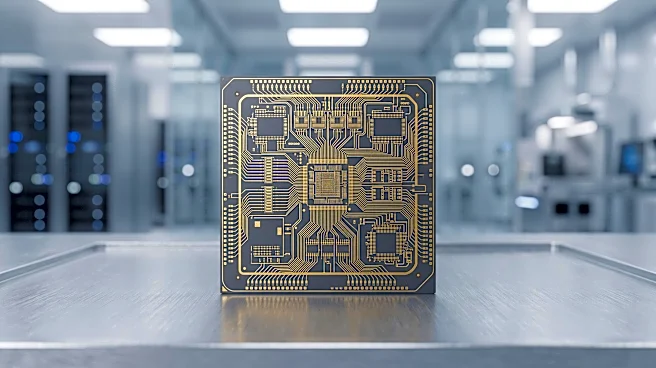
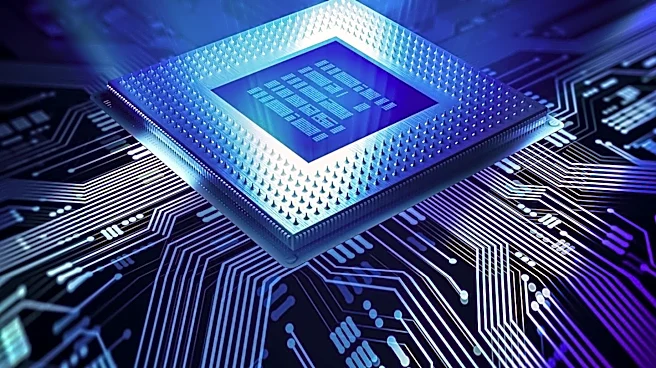
to $51.5 billion. This shift comes as ByteDance founder Zhang Yiming reclaimed the top spot with a fortune of nearly $100 billion, largely driven by advancements in artificial intelligence. The broader trend observed in this year's list indicates a significant transformation in the drivers of Chinese capital, with consumer technology and hardware displacing traditional sectors like real estate. Approximately 160 individuals on the list, about 10 percent, generated their primary wealth through AI applications and foundational hardware, highlighting the growing influence of this sector. Newer entrants, such as DeepSeek founder Liang Wenfeng and Cambricon Technologies' Chen Tianshi, have also made significant gains, entering the top tier of the wealth ranking.
Why It's Important?
The decline in Pony Ma's wealth and Tencent's position on the Hurun China Rich List signifies a broader recalibration within the Chinese technology sector, with implications for global markets and investment strategies. Tencent, a major player in social media, gaming, and fintech, faces evolving market dynamics where AI-driven consumer technology companies like ByteDance are gaining significant traction. This shift underscores the increasing importance of artificial intelligence as a primary wealth generator and a key driver of economic growth in China. For U.S. businesses and investors, this trend highlights the need to monitor the rapid technological advancements and competitive landscape in China, particularly in AI and consumer tech. The displacement of traditional real estate magnates from the top ranks further indicates a fundamental change in China's economic structure, moving towards innovation-led industries. This could influence international investment flows and strategic partnerships, as companies seek to align with emerging leaders in the AI space.
What's Next?
The continued emphasis on artificial intelligence as a primary wealth driver suggests that companies heavily invested in AI research, development, and application will likely see further growth and influence in the coming years. Tencent may need to intensify its focus on AI integration within its vast ecosystem, including WeChat's mini-programs, to maintain its competitive edge and potentially regain lost ground in wealth rankings. The rise of new tech entrepreneurs like Liang Wenfeng and Chen Tianshi indicates a dynamic and evolving landscape where innovation can rapidly alter market leadership. Future wealth lists will likely continue to reflect the performance of companies at the forefront of AI and advanced technology. Investors and market observers will be closely watching how established tech giants like Tencent adapt to this new environment and how emerging AI-centric firms continue to disrupt traditional market structures. This could lead to increased mergers and acquisitions in the AI sector as companies vie for market share and technological superiority.
Beyond the Headlines
The shift in China's wealth landscape, as evidenced by Pony Ma's decline and the rise of AI entrepreneurs, reflects more than just financial figures; it signals a profound societal and economic transformation. The increasing dominance of AI-driven companies suggests a future where technological innovation, particularly in artificial intelligence, will be central to national economic power and individual wealth accumulation. This trend could lead to significant changes in labor markets, educational priorities, and government policy, as China aims to solidify its position as a global leader in AI. The rapid ascent of AI-focused entrepreneurs also highlights the potential for new forms of economic inequality, where those with expertise and investment in cutting-edge technologies accrue disproportionate wealth. Furthermore, the displacement of traditional industries like real estate by digital platforms and AI underscores a broader global trend of digitalization and automation reshaping economies worldwide, prompting ethical discussions around data privacy, algorithmic bias, and the future of work.