



What's Happening?
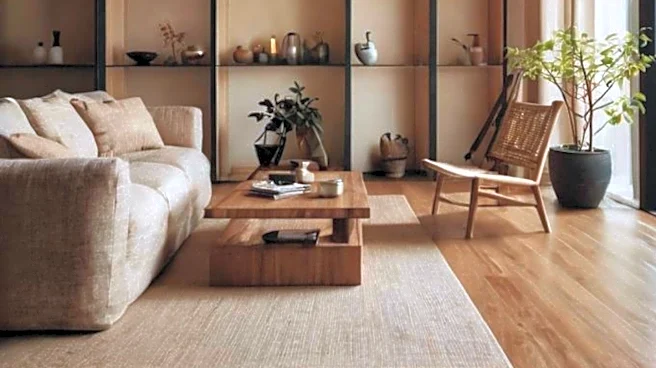
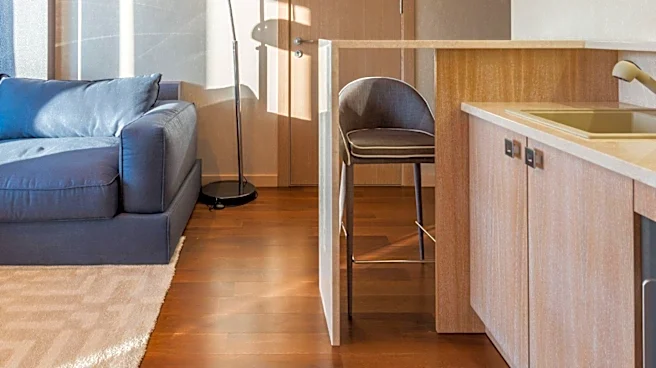
Modern studio apartment design emphasizes creating clear boundaries for different functional zones within a single open space. This approach helps to make the apartment feel designed and intentional rather than cramped. Techniques include aligning furniture
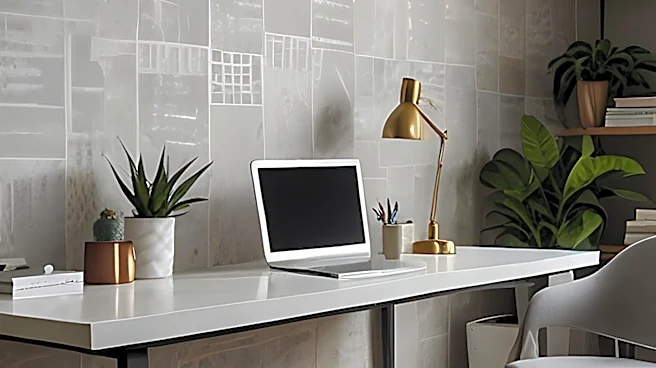
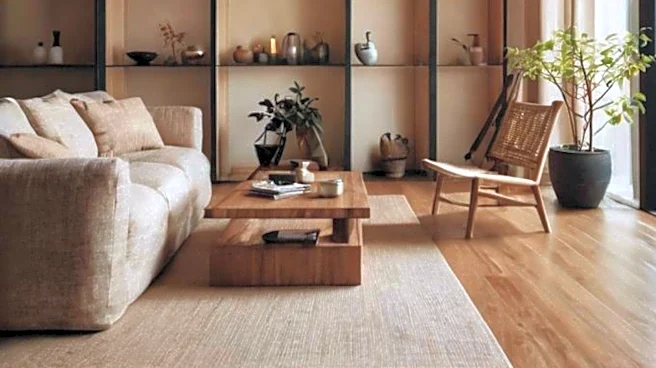
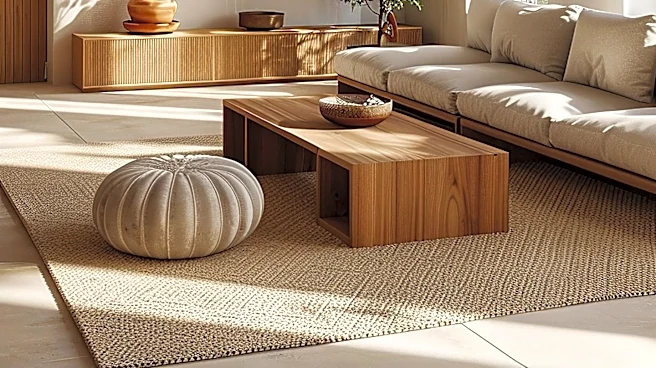
along one wall in narrow studios, using rugs to define living areas, and employing dividers like bookshelves or slatted partitions to separate sleeping and living spaces without blocking light. Common mistakes in studio design often involve fighting the room's natural shape, pushing all furniture against walls, and selecting dividers without considering the specific privacy needs. To enhance the perception of space, designers recommend using lighter wall colors, furniture with visible legs, clear materials for tables, and hanging curtains from floor to ceiling. For couples sharing a studio, the focus shifts to teamwork, establishing distinct zones, doubling storage solutions, and agreeing on daily routines. Remote workers in a studio are advised to use separate desks and implement strict rules for work setups, such as agreed-upon call schedules and visual signals for 'do not disturb' times.
Why It's Important?
The increasing demand for urban living and more affordable housing options has led to a rise in studio apartment occupancy across the U.S. This trend makes effective studio design crucial for residents' well-being and productivity. Poorly designed small spaces can lead to feelings of confinement, stress, and interpersonal conflict, especially for couples or those working from home. By implementing smart zoning and storage solutions, residents can transform a single room into a functional and comfortable multi-purpose living area. This is particularly important for the growing number of remote workers who need dedicated, distraction-free workspaces within their homes. The principles of efficient studio design also offer valuable lessons for maximizing space in any small dwelling, contributing to a broader understanding of urban planning and residential architecture that prioritizes functionality and livability in compact environments. The emphasis on 'systems over square footage' highlights a shift towards thoughtful living arrangements that can improve quality of life regardless of apartment size.
What's Next?
As urban populations continue to grow and housing costs remain high, the innovation in studio apartment design is expected to evolve further. Future trends may include more integrated smart home technologies to optimize space and functionality, as well as modular furniture systems that can adapt to various needs throughout the day. Developers and architects are likely to incorporate these design principles into new constructions, offering more sophisticated and livable studio units. The focus on creating distinct zones and maximizing storage will remain paramount, with an increased emphasis on sustainable and multi-functional materials. Additionally, the market for specialized furniture and decor tailored for small spaces is anticipated to expand, providing consumers with more options to personalize and optimize their studio living environments. Educational resources and design guides for studio dwellers will also continue to proliferate, helping individuals and couples navigate the challenges and opportunities of compact living.
Beyond the Headlines
Beyond the immediate practical benefits, the emphasis on intentional studio apartment design reflects a broader cultural shift towards minimalism and conscious living. In a society often characterized by consumerism and the pursuit of larger homes, the embrace of compact living spaces encourages a more deliberate approach to possessions and daily routines. This can lead to reduced environmental footprints, as smaller spaces typically require less energy for heating and cooling and encourage less accumulation of material goods. For couples, the necessity of shared systems and clear communication in a studio apartment can foster stronger relationships and better conflict resolution skills, as every aspect of shared living must be actively negotiated and maintained. The psychological impact of well-designed small spaces also challenges conventional notions of comfort and luxury, demonstrating that quality of life is not solely dependent on square footage but rather on thoughtful organization, functionality, and personal connection to one's environment. This movement could influence future urban development towards more sustainable and community-oriented housing models.