




What's Happening?
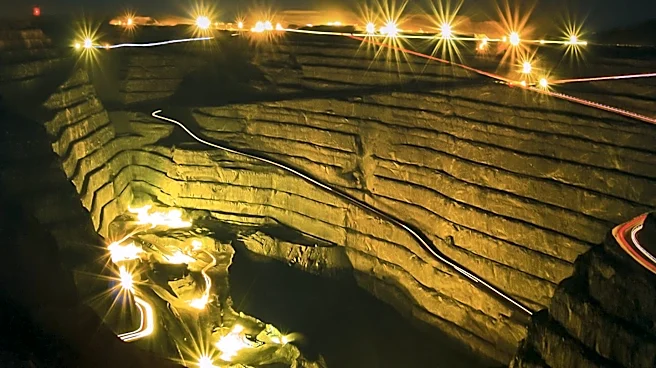
CATL has resumed operations at its Jianxiawo lithium mine in Yichun, Jiangxi, after a prolonged suspension. This decision comes as lithium carbonate prices fell to their lowest in nearly six months, driven by increased global supply and consumption risks.
The Chinese government has announced the end of tax exemptions for lithium-ion batteries to curb excessive competition among manufacturers. The restart of the Jianxiawo mine, one of the largest lepidolite mines in the world, is expected to significantly increase China's lithium carbonate output, adding over 45,000 tons of capacity in the latter half of 2026. This move is part of a broader trend where Australian miners are also resuming operations to address global supply shortages.
Why It's Important?
The resumption of operations at major lithium mines like Jianxiawo is crucial for stabilizing the global lithium market, which has been experiencing significant volatility. The increased supply from China and Australia is expected to ease the pressure on lithium prices, which have been fluctuating due to supply uncertainties and high demand from the electric vehicle (EV) sector. This development is particularly significant for the U.S. and other countries that rely on lithium for battery production, as it could lead to more stable pricing and supply chains. The end of tax exemptions in China may also influence global market dynamics by reducing the competitive pressure among battery manufacturers.
What's Next?
As the global lithium market adjusts to these changes, stakeholders will likely monitor the impact of increased supply on prices and market stability. The resumption of operations at major mines could lead to a more balanced supply-demand scenario, potentially stabilizing prices in the long term. Additionally, the policy changes in China might prompt other countries to reassess their strategies regarding lithium production and battery manufacturing. The industry will also be watching how these developments affect the competitiveness of lithium-ion batteries compared to emerging technologies like sodium-ion batteries.