






What's Happening?
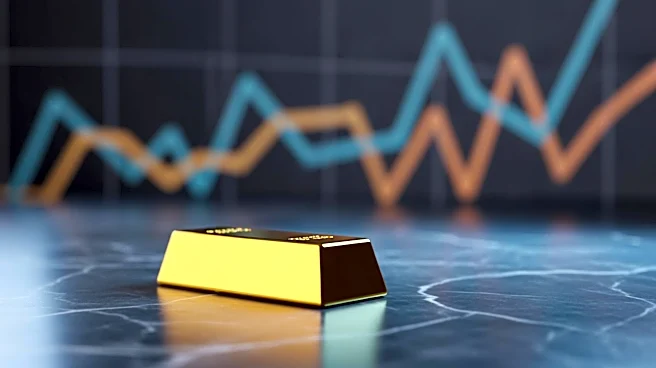
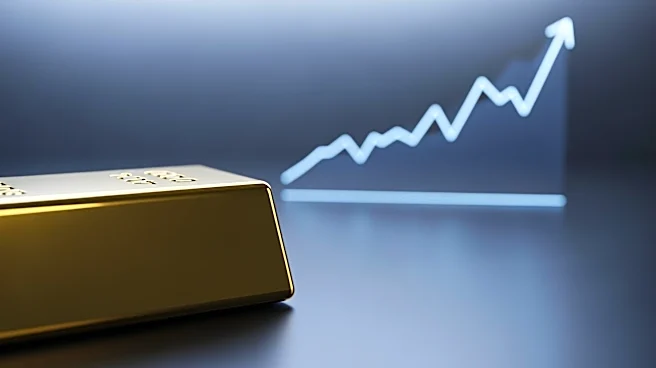
Gold prices have retreated following the Federal Reserve's decision to hold interest rates steady while signaling potential rate hikes later this year. The Fed's Summary of Economic Projections revealed a more aggressive outlook, with nine of 19 policymakers
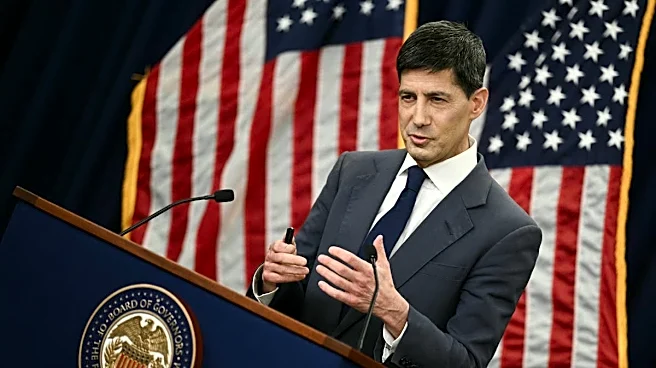
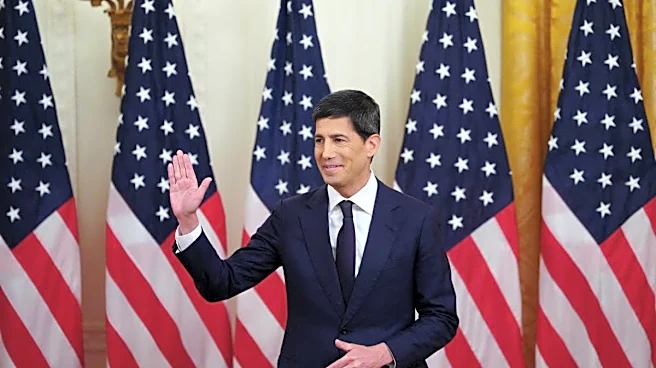
expecting a rate increase. This shift caught markets off guard, leading to a stronger dollar and weighing on gold prices. The market's attention is focused on Kevin Warsh, the new Federal Reserve Chair, who has indicated a readiness to tighten further. Despite the recent decline, gold remains supported by global uncertainties, including geopolitical tensions and economic fragility.
Why It's Important?
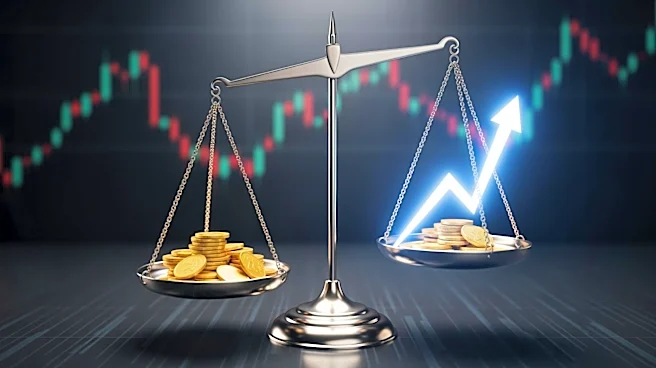
The Federal Reserve's hawkish stance has significant implications for the gold market and broader economic conditions. Higher interest rates increase the opportunity cost of holding non-yielding assets like gold, leading to reduced demand. The stronger dollar also makes dollar-priced commodities more expensive for foreign buyers. For investors, the current environment presents challenges in navigating the balance between geopolitical developments and monetary policy actions. The potential for further rate hikes and inflationary pressures could influence gold's appeal as a safe-haven asset.
What's Next?
Investors will closely monitor upcoming economic data and central bank communications for indications of future monetary policy actions. The Federal Reserve's next meeting and updates on inflation and employment figures will be critical in shaping market expectations. Additionally, geopolitical developments and energy price fluctuations could influence inflationary pressures and central bank decisions, impacting gold prices and investor sentiment. Analysts suggest that current gold prices may present a buying opportunity, given the long-term potential for the precious metal amid ongoing economic uncertainties.