





What's Happening?
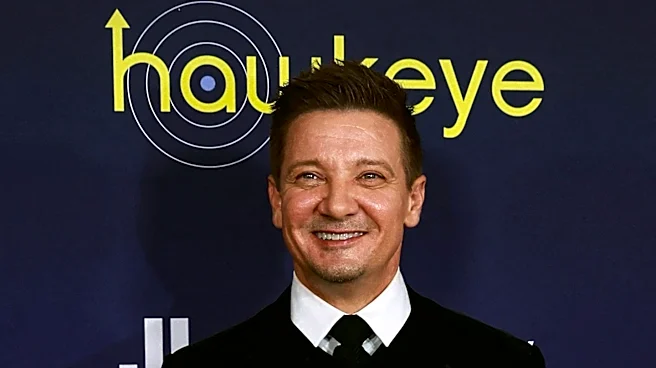
Actor Jeremy Renner has openly discussed the comprehensive recovery regimen he undertook following a severe accident involving a 14,000-pound snowplow. The incident resulted in 38 broken bones and significant physiological trauma. Renner's recovery protocol
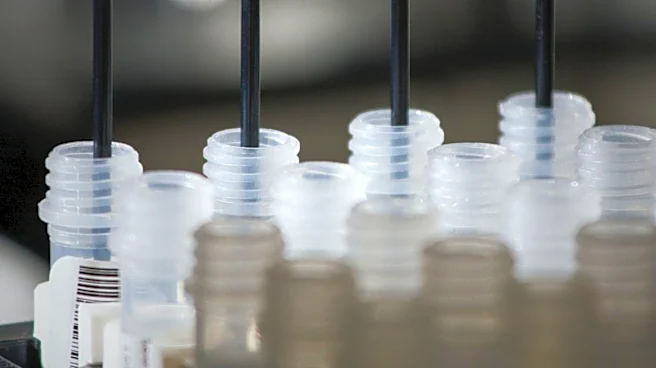
included a multi-faceted approach, integrating various advanced treatments. He utilized peptide therapy, specifically mentioning compounds like BPC-157 and Motsi, alongside amino acids and natural anti-inflammatories. His regimen also incorporated stem cell therapy, red light therapy, cold exposure, hyperbaric oxygen, and testosterone replacement therapy. Renner emphasized that these treatments were part of a rigorous, daily commitment to rehabilitation, rather than standalone 'magic bullets.' His transparency about his healing journey has brought mainstream attention to these advanced wellness and biohacking techniques, fostering a more open dialogue within the wellness community regarding such substances and methods for recovery.
Why It's Important?
Jeremy Renner's public disclosure of his recovery methods holds significant importance for the wellness and biohacking communities, as well as for individuals seeking advanced rehabilitation options. His high-profile status lends credibility and visibility to treatments like peptide therapy, stem cell research, and hormone optimization, which have often been discussed within niche circles. By sharing his detailed protocol, Renner is contributing to a shift in the conversation around recovery, moving it from passive waiting to active biological support. This transparency can encourage more individuals to explore cutting-edge, science-backed tools for personal health optimization and recovery from severe injuries. Furthermore, it highlights the potential for integrating various therapeutic modalities to achieve comprehensive physical rehabilitation, potentially influencing future approaches in sports medicine and physical therapy.
What's Next?
The increased public awareness generated by Jeremy Renner's recovery story may lead to greater interest and research into the efficacy and applications of peptide therapy, stem cell treatments, and other biohacking modalities. This could prompt further scientific studies and clinical trials to validate the benefits of these treatments for injury recovery and overall wellness. Additionally, the open dialogue initiated by Renner could influence healthcare providers and insurance companies to consider these advanced therapies more seriously, potentially leading to broader accessibility. For the wellness industry, there might be an uptick in demand for products and services related to these treatments, driving innovation and development in the field. Public figures sharing their health journeys often act as catalysts for broader societal conversations and shifts in health paradigms.
Beyond the Headlines
Beyond the immediate impact on recovery discussions, Jeremy Renner's experience touches upon deeper implications regarding the future of medicine and personal health autonomy. His proactive approach to healing, utilizing a wide array of advanced techniques, underscores a growing trend where individuals take a more active role in managing their health and recovery, often exploring options beyond conventional medical pathways. This raises ethical and regulatory questions about the accessibility, safety, and oversight of such cutting-edge treatments. It also highlights a cultural shift towards viewing the body as a system that can be optimized and actively supported through scientific advancements, rather than passively healed. This could lead to long-term changes in how society perceives and approaches physical rehabilitation, chronic illness management, and anti-aging strategies, pushing the boundaries of what is considered possible in human performance and recovery.