



What's Happening?
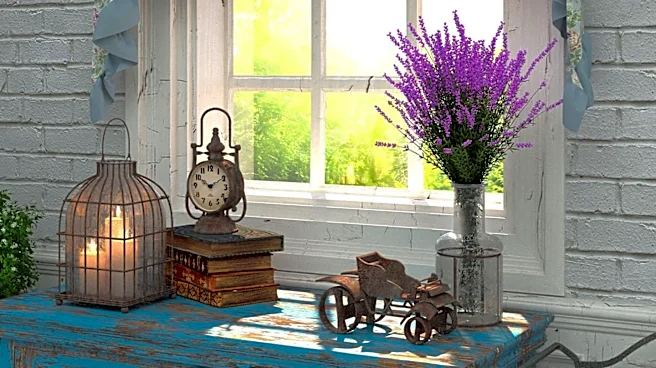
Cottagecore decor is a design style that prioritizes handmade, foraged, and intentionally imperfect objects, creating a soft and warm aesthetic. This style draws heavily from the visual language of old farmhouses, particularly those found in New England
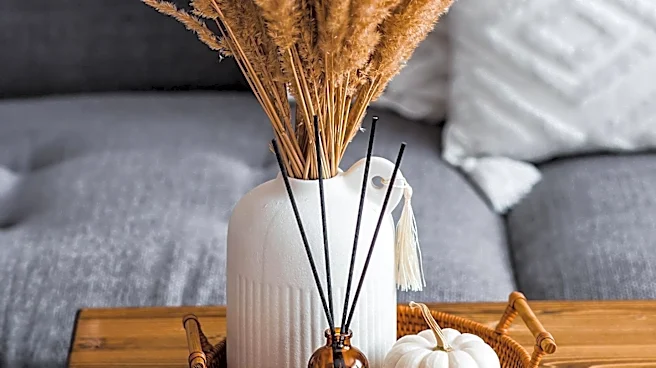
and Pacific Northwest cabins, evoking the romance of rural life without requiring actual country living. Key elements include dried flowers, linen, and vintage pottery, which are favored over mass-produced seasonal decorations. The approach is whimsical and personal, suggesting items collected over time rather than purchased all at once. The color palette is inspired by nature, featuring warm mushroom, faded rose, forest moss, beeswax yellow, and bark brown tones, reflecting natural elements like bark, dried flowers, and late-season light. This style contrasts with rustic decor by adding layers of whimsy and romanticism, and with 'old money' styling by embracing imperfections rather than striving for polished refinement.
Why It's Important?
The rise of cottagecore decor reflects a broader societal shift towards valuing authenticity, sustainability, and personal connection in home environments. In an era dominated by mass production and fast-paced consumerism, cottagecore offers an alternative that emphasizes craftsmanship, the beauty of imperfection, and a slower, more mindful approach to decorating. This trend can influence U.S. industries by increasing demand for artisanal goods, vintage items, and natural materials, potentially boosting local craft economies and secondhand markets. It also encourages consumers to engage in DIY projects and foraging, fostering a deeper appreciation for nature and reducing reliance on new purchases. The focus on 'collected over time' rather than 'bought all at once' challenges conventional retail models and promotes a more sustainable lifestyle, resonating with growing environmental consciousness among consumers.
What's Next?
The cottagecore trend is expected to continue evolving, with a sustained emphasis on personalized and environmentally conscious home styling. Consumers will likely seek out more workshops for DIY decor, local farmers' markets for natural elements, and thrift stores or estate sales for unique vintage finds. Retailers may adapt by offering more curated collections of handmade or vintage-inspired items, and by promoting products that align with the cottagecore aesthetic's natural color palettes and textures. There could also be an increase in online communities and platforms dedicated to sharing foraging tips, DIY projects, and sources for authentic cottagecore pieces. The style's adaptability to smaller spaces, such as apartments, suggests its continued relevance in urban settings, where residents seek to create cozy, personal retreats.
Beyond the Headlines
Beyond its aesthetic appeal, cottagecore decor embodies a cultural yearning for simplicity, comfort, and a connection to nature, often seen as a counter-narrative to modern life's complexities. It taps into a nostalgic ideal of a pastoral existence, offering a sense of calm and rootedness. This movement highlights the psychological impact of our living spaces, suggesting that environments filled with meaningful, imperfect objects can foster well-being and a sense of belonging. The emphasis on foraging and repurposing also carries ethical implications, promoting a more circular economy and challenging the throwaway culture. It encourages individuals to 'notice' their surroundings and find beauty in the everyday, transforming decorating into an act of mindful engagement with one's home and the natural world.