








What's Happening?
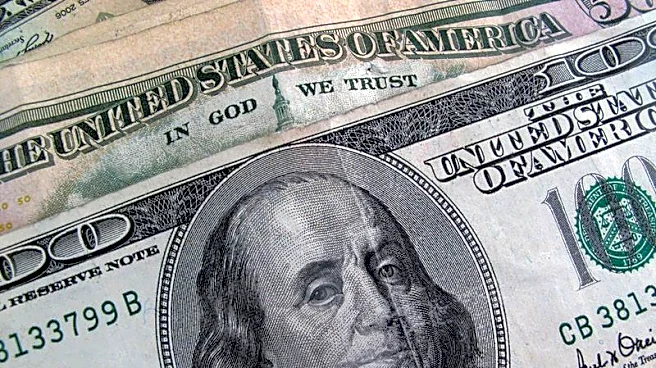
The U.S. dollar has steadied near a two-week low as investors have reduced their expectations for a Federal Reserve rate hike this year. This development comes amid a backdrop of a weakening yen, which remains near a 40-year low, causing concern among
investors about potential actions from Tokyo. The euro is trading at $1.1435, close to its strongest level in two weeks, while the British pound is at $1.3351. The dollar index, which measures the U.S. currency against six other major currencies, is at 100.9 in early trading. The yen is trading at 161.57 per U.S. dollar, just shy of the 1986 low of 162.84 it reached last week. Traders are on edge about possible intervention following a sudden surge in the yen.
Why It's Important?
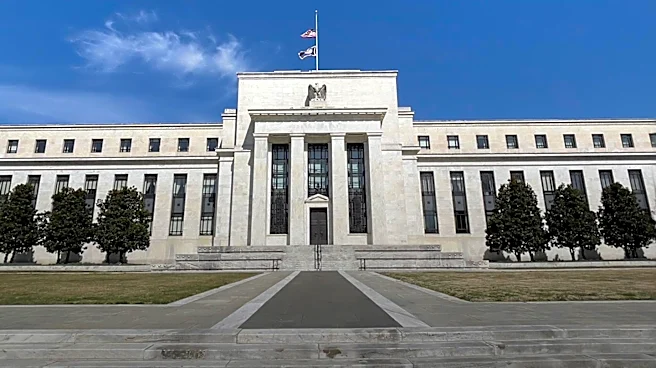
The stabilization of the U.S. dollar and the decline in rate hike expectations have significant implications for global financial markets. A stable dollar can influence international trade and investment flows, impacting U.S. exports and imports. The potential for reduced rate hikes by the Federal Reserve may also affect borrowing costs and economic growth in the U.S. Meanwhile, the weak yen raises concerns about Japan's economic stability and potential intervention by Japanese authorities, which could lead to volatility in currency markets. These developments are crucial for investors and policymakers as they navigate the complexities of global economic conditions.
What's Next?
Investors and market analysts will closely monitor any signals from the Federal Reserve regarding future monetary policy decisions. Additionally, attention will be on Japan's response to the yen's weakness, as any intervention could have ripple effects across global currency markets. The interplay between these factors will be critical in shaping economic forecasts and investment strategies in the coming months.