


What's Happening?
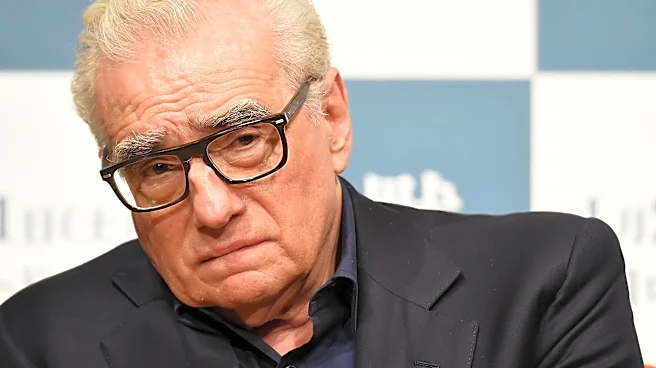
Filmmaker Martin Scorsese has humorously attributed the failure of his planned historical epic about Cleopatra, which was set to star Angelina Jolie, to Seth Rogen's 2014 film 'The Interview.' In an interview with his daughter Francesca, Scorsese recounted
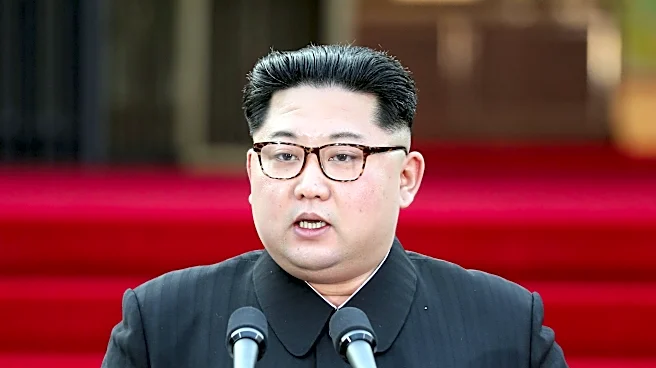
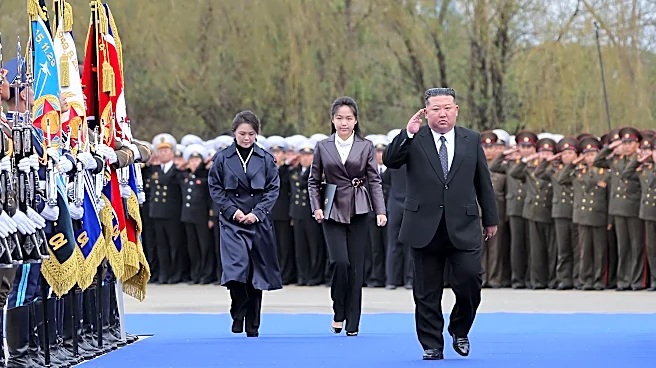
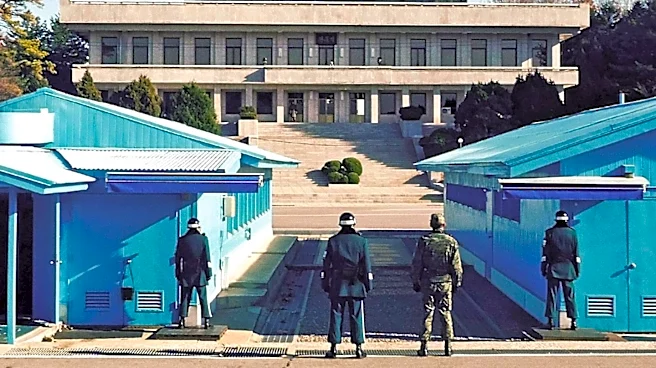
that the controversy surrounding 'The Interview,' which depicted an assassination plot against North Korean leader Kim Jong-un, led to significant repercussions for Sony Pictures. According to Scorsese, Kim Jong-un's anger over 'The Interview' resulted in a major Sony hack and terroristic threats, which ultimately 'ruined Cleopatra.' Despite this, Scorsese clarified that his remarks were made in good humor, noting his working relationship with Rogen, including appearing in the TV show 'The Studio' where Rogen's character cancels a movie on Scorsese.
Why It's Important?
This anecdote highlights the unpredictable and far-reaching consequences that geopolitical events and international relations can have on the entertainment industry. The Sony Pictures hack, which Scorsese references, was a significant cybersecurity incident that exposed sensitive company data and personal information of employees, causing widespread disruption and financial losses. Scorsese's account underscores how external factors, seemingly unrelated to a film's artistic merit or commercial viability, can derail major productions. It also illustrates the delicate balance studios must maintain when dealing with potentially controversial content and the potential for such content to trigger international incidents. The story serves as a reminder of the interconnectedness of global politics and the creative industries, where a comedy film can inadvertently impact a historical epic.
What's Next?
While Scorsese's Cleopatra project is long defunct, this revelation adds another layer to the historical context of the 2014 Sony hack and its broader implications for Hollywood. The incident prompted increased scrutiny on cybersecurity measures within major studios and raised questions about freedom of expression versus potential international repercussions. For Seth Rogen, it adds a notable, albeit humorous, footnote to the legacy of 'The Interview.' The entertainment industry continues to navigate these complex issues, particularly in an era of heightened digital vulnerability and global political sensitivities. Future productions dealing with politically charged themes will likely continue to face careful consideration regarding their potential impact and security risks.
Beyond the Headlines
The incident Scorsese describes touches upon deeper themes of censorship, artistic freedom, and the power of media in international relations. The North Korean government's reaction to 'The Interview' demonstrated how a fictional work could be perceived as a direct political provocation, leading to real-world consequences. This raises questions about the responsibility of filmmakers when creating content that might offend foreign governments or leaders. Furthermore, the vulnerability of major corporations like Sony to cyberattacks highlights the ongoing challenges of digital security in an increasingly interconnected world. The story serves as a case study in how cultural products can become entangled in geopolitical conflicts, forcing a reevaluation of the boundaries of satire and the potential for unintended international incidents.