




What's Happening?
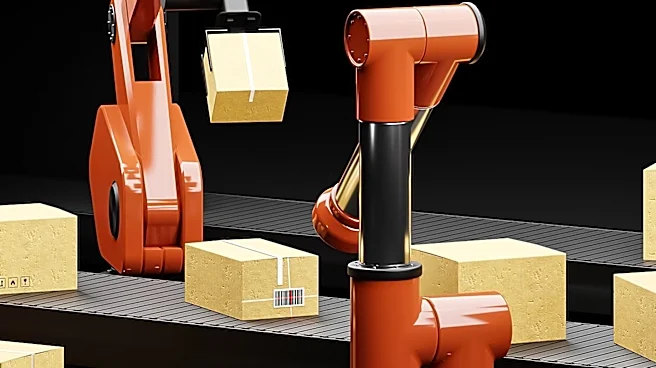
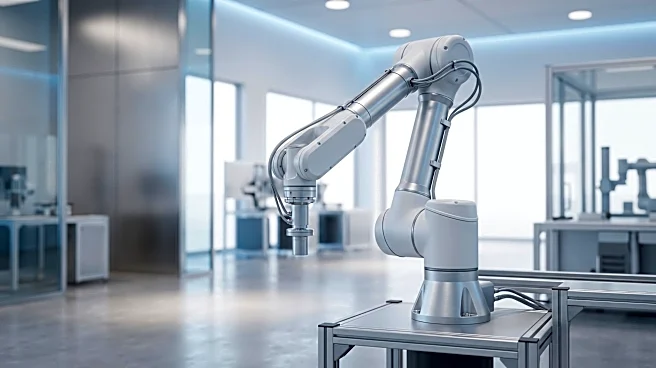
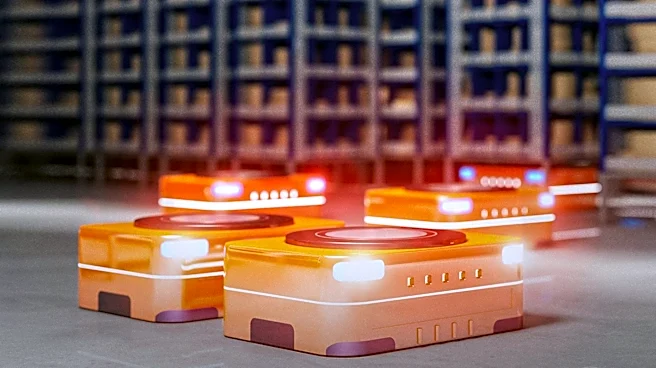
Warehouse automation is transforming traditional warehousing by integrating technology to perform activities with reduced human intervention. This ranges from basic barcode scanners and conveyor belts to advanced autonomous mobile robots (AMRs), automated
storage and retrieval systems (AS/RS), and artificial intelligence (AI). Businesses are increasingly adopting these solutions due to customer expectations for faster deliveries, accurate orders, and real-time inventory visibility, alongside rising labor costs and expanding product ranges. Automation aims to make warehouses more accurate, productive, scalable, and prepared for future growth. Key technologies include barcode and RFID, sensors, AI for demand forecasting and route optimization, computer vision, and the Internet of Things (IoT). Software, particularly Warehouse Management Systems (WMS), plays a central role in connecting orders, inventory, machines, and employees, coordinating activities and ensuring seamless communication between different automated systems.
Why It's Important?
The widespread adoption of warehouse automation is critical for the competitiveness and efficiency of U.S. businesses across various sectors, especially in retail, manufacturing, and e-commerce. By improving productivity, automation allows machines to handle repetitive tasks continuously, freeing human employees for more complex, judgment-based work. This leads to better inventory accuracy through automated scanning, faster order fulfillment to meet consumer demands, and reduced physical strain on workers. Automation also optimizes warehouse space utilization, which is crucial in areas with high real estate costs, and significantly enhances order accuracy, reducing returns and customer complaints. For businesses, this translates into lower operational costs, increased throughput, and better scalability to handle fluctuating order volumes, particularly during peak seasons. The ability to integrate various technologies into a cohesive system provides a strategic advantage, enabling companies to respond more quickly to market changes and maintain a robust supply chain.
What's Next?
The future of warehouse automation is moving towards greater flexibility, intelligence, and connectivity. Expect continued advancements in AI-powered planning, computer vision, and autonomous robots that can navigate dynamic environments. Modular automation will become more prevalent, allowing businesses to automate specific processes incrementally rather than requiring massive upfront investments. Real-time visibility into inventory and operations will be a key focus, enabling managers to react instantly to bottlenecks or issues. The integration of warehouse automation with broader supply chain data will transform warehouses into central information hubs. Companies will increasingly rely on consulting services to analyze their specific operational challenges and select the most suitable automation technologies, ensuring that investments solve real business problems rather than just adopting the latest tech. The emphasis will be on creating faster, more accurate, flexible, and data-driven warehouses that combine human expertise with advanced technology.
Beyond the Headlines
The shift towards warehouse automation has profound implications beyond operational efficiency. It signals a fundamental change in the nature of industrial work, requiring a workforce with new skills in technology management, data interpretation, and system oversight. This transformation necessitates significant investment in training and education to upskill existing employees and prepare future generations for these evolving roles. Ethical considerations regarding job displacement and the equitable distribution of automation's benefits will also become more prominent. Furthermore, the increased reliance on interconnected automated systems raises concerns about cybersecurity vulnerabilities and the resilience of these systems against disruptions. The distinction between physical warehouse automation and data warehouse automation highlights the growing complexity of information management in modern business, underscoring the need for clear terminology and specialized expertise in both domains. Ultimately, automation is not just about machines; it's about redefining the relationship between technology, labor, and business strategy in the digital age.