



What's Happening?
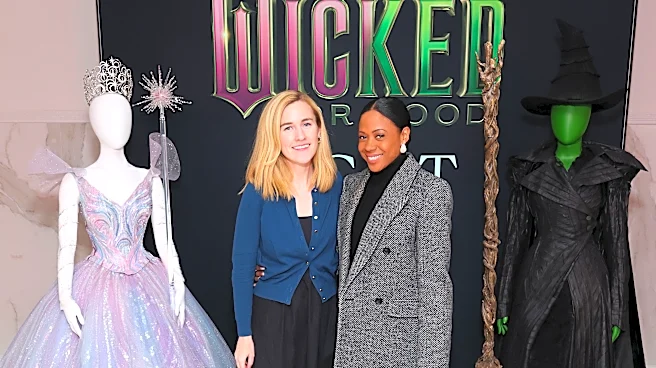
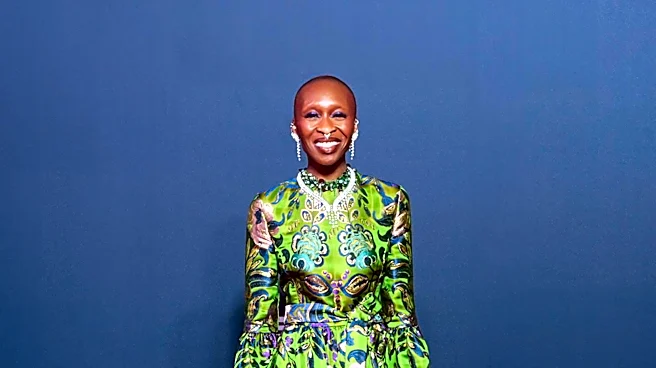
The film 'Wicked: For Good,' the second part of Jon M. Chu's adaptation of the Broadway musical, concludes the story of Elphaba and Glinda. Following the events of the first film where Elphaba, played by Cynthia Erivo, defied the Wizard, the sequel depicts
Oz branding her as 'wicked' while Ariana Grande's Glinda becomes the public face of the regime hunting Elphaba. The narrative intertwines with the familiar 'Wizard of Oz' story, featuring Dorothy's arrival. Key plot points include Fiyero, played by Jonathan Bailey, choosing Elphaba and later transforming into the Scarecrow. Elphaba's sister Nessarose, played by Marissa Bode, becomes the Governor of Munchkinland, and her obsession with Boq, played by Ethan Slater, leads to his transformation into the Tin Man. The film culminates in Elphaba faking her death by melting, a deception designed to protect herself and Glinda, allowing Glinda to assume a leadership role in Oz. The ending reveals Elphaba and Fiyero escaping together, while Glinda, believing Elphaba dead, exiles the Wizard and arrests Madame Morrible, played by Michelle Yeoh, ultimately becoming 'Glinda the Good.'
Why It's Important?
The conclusion of 'Wicked: For Good' offers a reinterpretation of a classic American narrative, 'The Wizard of Oz,' by providing a backstory that challenges traditional villain-hero dynamics. This adaptation is significant for its exploration of themes such as propaganda, political manipulation, and the complexities of friendship and sacrifice within a fantastical setting. The film's portrayal of Elphaba's journey from a misunderstood individual to a 'wicked' figure, largely due to the Wizard's regime, reflects broader societal discussions about how power structures can shape public perception and demonize dissent. Glinda's evolution from a seemingly superficial character to a genuine leader who actively works for the good of Oz highlights the potential for personal growth and moral awakening in the face of injustice. The film's success and its two-part release strategy also underscore the continued commercial viability and cultural impact of adapting beloved stage musicals for a wider cinematic audience, influencing entertainment industry trends and audience engagement with established intellectual properties.
What's Next?
With 'Wicked: For Good' completing the story of the stage musical, there are no immediate plans for a third film. The ending provides a definitive conclusion to Elphaba and Glinda's narrative arc within this adaptation. However, the film's success could potentially inspire further re-imaginings or spin-offs within the 'Oz' universe, exploring other characters or timelines. The performances of Cynthia Erivo and Ariana Grande, along with the film's critical and commercial reception, will likely influence future casting decisions and production approaches for other major musical adaptations. The film's exploration of political themes and character motivations may also spark continued discussions among audiences and critics about the nature of good and evil, and the impact of propaganda, potentially influencing future storytelling in popular culture.
Beyond the Headlines
The narrative of 'Wicked: For Good' delves into deeper implications beyond its plot, particularly regarding the manipulation of truth and the construction of public image. Elphaba's decision to fake her death to achieve freedom and protect Glinda highlights the ethical dilemmas faced when confronting oppressive regimes. This act of deception, while serving a greater good, necessitates a permanent separation from her closest friend, underscoring the profound personal costs of political resistance. The film subtly critiques the power of propaganda, showing how the Wizard and Madame Morrible successfully branded Elphaba as 'wicked' to maintain control, a theme that resonates with contemporary concerns about misinformation and media influence. Furthermore, Glinda's transformation from a symbol of the regime to a genuine leader who actively dismantles its corrupt elements suggests a powerful message about accountability and the responsibility of those in power to seek justice, even when it means challenging established narratives.