







What's Happening?
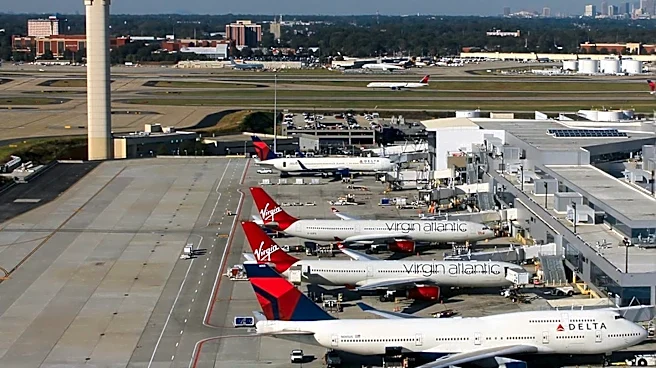
Delta Air Lines CEO Ed Bastian has publicly criticized London's Heathrow Airport for its decision to move Delta's operations from Terminal 3 to Terminal 4. This planned relocation, part of the airport's decennial tenant shuffling, would separate Delta from its SkyTeam
partner, Virgin Atlantic, with whom it currently shares Terminal 3. Bastian stated that the move is 'short-sighted, deeply disappointing and bad for airline consumers,' arguing that it undermines years of investment in integrated customer benefits. The current co-location allows for seamless connections, shared check-in facilities, lounges, and baggage services. The proposed change would increase minimum connection times between Delta and Virgin Atlantic flights from 60-75 minutes to at least 90 minutes, with even longer times for passengers needing to recheck baggage. Virgin Atlantic CEO Corneel Koster also expressed disapproval, emphasizing the importance of a level playing field for UK-based carriers and their partners for consumers and the UK economy.
Why It's Important?
This dispute highlights the complexities and potential disruptions within the global airline industry, particularly concerning major international hubs like Heathrow. For Delta and Virgin Atlantic, the forced separation could diminish the value of their partnership, which has been built on providing a seamless travel experience for passengers. Increased connection times and the need for inter-terminal transfers can lead to passenger inconvenience, potential missed flights, and a less attractive travel option compared to competitors. This could impact passenger loyalty and revenue for both airlines. While Heathrow claims the move will 'unlock more capacity across terminals, reduce congestion, improve the flow of passengers through the airport and help keep passenger costs down,' the airlines involved argue it will negatively affect customer experience and operational efficiency. The situation also underscores the power dynamics between airport authorities and airlines, where airport decisions can significantly impact airline strategies and customer service offerings.
What's Next?
Delta Air Lines has indicated its commitment to 'preserving the seamless travel experience' and will 'pursue all available remedies to correct this decision.' This suggests potential further negotiations, appeals, or other actions to challenge Heathrow's plan. The airport, however, maintains that its decision is supported by airlines representing 81% of its passengers and is designed to optimize airport operations and reduce costs. It remains to be seen if Delta's strong opposition, potentially backed by Virgin Atlantic, will lead to a reconsideration or modification of the terminal relocation plan. Passengers flying Delta and Virgin Atlantic through Heathrow should monitor updates regarding terminal assignments and potential changes to connection procedures. The implementation of the move would necessitate operational adjustments for both airlines and increased communication to passengers regarding new transfer requirements.
Beyond the Headlines
The conflict between Delta and Heathrow Airport touches upon broader issues within the aviation sector, including the balance between airport operational efficiency and airline partnership strategies. In an increasingly competitive global market, airlines rely heavily on alliances and co-located operations to offer comprehensive networks and enhanced customer experiences. Disrupting such integrated operations can have ripple effects beyond immediate logistical challenges, potentially influencing future partnership decisions and airline investment strategies at major hubs. The situation also raises questions about consumer choice and convenience versus airport management's prerogative to optimize infrastructure. While Heathrow aims to alleviate congestion, a persistent issue at one of the world's busiest airports, the method chosen has drawn significant criticism from key airline tenants, highlighting the ongoing tension between infrastructure limitations and the demands of modern air travel.