





What's Happening?
Brian Moynihan, CEO of Bank of America, has attributed recent IT failures in U.S. banks to necessary security updates designed to protect against cyber-attacks. He explained that the rapid advancement of artificial intelligence (AI) compels banks to address
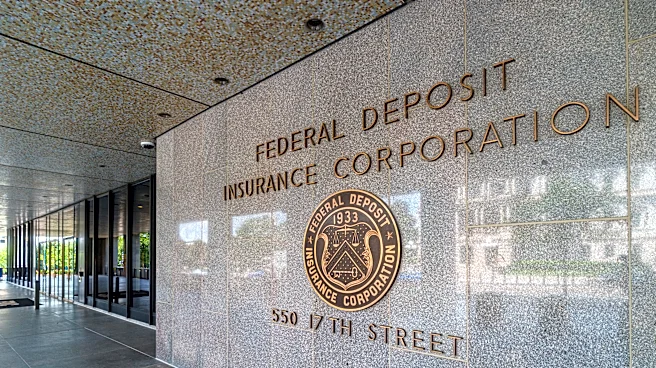
vulnerabilities more quickly, even if it means temporarily disrupting services. Moynihan clarified that Bank of America's internal systems did not experience issues during these outages, but some of its clients encountered difficulties transferring money to other affected banks. He also addressed client concerns about temporary zero balances during outages, assuring that these are due to systems being unable to access account information, not lost funds, and that deposits are federally insured. Bank of America allocates approximately one-third of its AI investment, totaling around $250 million this year, to cybersecurity defense.
Why It's Important?
These IT disruptions highlight the growing tension between maintaining robust cybersecurity and ensuring uninterrupted banking services in the U.S. financial sector. The reliance on AI for both offensive cyber-attacks and defensive measures means banks must continuously update their systems, which can inadvertently lead to service interruptions. This situation impacts consumer confidence, as temporary service outages and balance display issues can cause alarm, despite assurances of deposit safety. For the banking industry, the significant investment in AI for cybersecurity, as demonstrated by Bank of America, underscores the escalating cost and complexity of protecting financial infrastructure. The need for collaboration between financial institutions and the U.S. government to counter state-sponsored cyber threats also emphasizes the national security implications of these technological challenges.
What's Next?
The banking sector is expected to continue increasing its investment in AI and cybersecurity measures to combat evolving cyber threats. This will likely involve more frequent security updates and patches, which may lead to further temporary service disruptions. Banks will need to improve communication strategies to inform customers about the nature of these outages and reassure them about the security of their funds. Furthermore, the call for government collaboration to counter sophisticated cyber-attacks suggests potential policy discussions and increased partnerships between federal authorities and financial institutions. The ongoing integration of AI into both defensive and offensive cyber strategies indicates a continuous arms race in the digital realm, with banks striving to use AI to correct errors and defend against attacks more effectively over time.
Beyond the Headlines
The underlying issue extends beyond mere technical glitches; it reflects a fundamental shift in the landscape of financial security, driven by the pervasive influence of artificial intelligence. The ethical dimension arises from the trade-off between immediate service availability and long-term data security. Banks are forced to make real-time decisions that prioritize protection against potentially catastrophic cyber-attacks, even if it inconveniences customers. Legally, these incidents could prompt regulators to re-evaluate existing cybersecurity mandates and consumer protection laws, particularly concerning transparency during outages and the communication of risks. Culturally, there's a growing expectation for seamless digital services, and these disruptions challenge that expectation, potentially eroding trust in digital banking if not managed effectively. This ongoing battle against cyber threats, fueled by AI, signifies a permanent state of vigilance for the financial industry.