







What's Happening?
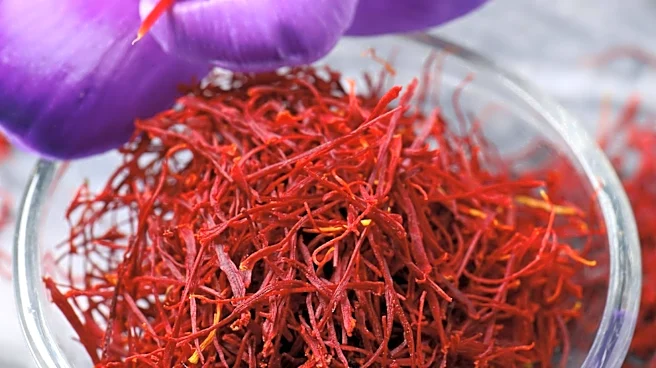
Nootropics Depot has launched Safralis, a new Kashmir saffron ingredient. This product is made from whole stigma, cold-milled, and standardized to contain 8% crocins and 3% safranals. The company utilizes Mongra-grade Kashmiri saffron, known for its high
quality and concentration of bioactive compounds. Safralis is designed to support mood, cognitive function, oxidative defense, and neuronal protection. Nootropics Depot emphasizes that human clinical studies have shown saffron supplementation can improve mood and emotional well-being in healthy adults, with crocin, crocetin, and safranal identified as key bioactives. The company chose to focus on sourcing the most potent raw material rather than relying solely on extraction processes, believing that the plant's native composition is crucial. To preserve the material, Safralis is cold-milled with acacia fiber to stabilize volatile safranal. The botanical identity is verified by HPTLC, and the product was developed in collaboration with Omnient Labs, which created advanced testing methods for saffron bioactives.
Why It's Important?
The introduction of Safralis by Nootropics Depot signifies a growing trend in the nutraceutical market towards high-quality, standardized ingredients with transparent sourcing. This development is important for consumers seeking natural supplements for mood and cognitive support, as it offers a product backed by specific standardization and clinical research. For the nutraceutical industry, it highlights the increasing demand for premium raw materials and the importance of controlling the supply chain from farm to capsule. The focus on Mongra-grade Kashmiri saffron, a rare and prized variety, could set a new standard for saffron-based supplements, potentially influencing other manufacturers to invest in similar high-quality sourcing. This move also addresses concerns about supply disruption and origin opacity in the global saffron trade, providing a more reliable and verifiable product for consumers and formulators alike. The emphasis on whole stigma and cold-milling techniques suggests an industry shift towards preserving the full spectrum of natural bioactives, which could lead to more effective and holistic supplement formulations.
What's Next?
Nootropics Depot will offer Safralis in 15 mg and 30 mg capsules, recommended for once or twice daily consumption. This launch is expected to increase the availability of high-quality saffron supplements in the U.S. market, potentially driving consumer interest in natural mood and cognitive support. The company's direct farm-to-capsule supply chain in the Kashmir valley, established through long-term partnerships with local farmers, is likely to be a model for other nutraceutical companies seeking to ensure product authenticity and quality. This approach could lead to greater transparency and accountability within the supplement industry, particularly for botanicals with complex supply chains. Future developments may include further research into the specific benefits of Safralis's standardized composition and potential expansion into other product formats or combinations with complementary ingredients. The success of Safralis could also encourage more investment in sustainable and ethical sourcing practices for other valuable botanical ingredients.
Beyond the Headlines
The launch of Safralis by Nootropics Depot extends beyond a simple product introduction; it underscores deeper ethical and quality considerations within the nutraceutical industry. The company's commitment to direct sourcing from Kashmir, a region known for its high-quality but limited saffron supply, highlights the challenges and rewards of establishing transparent and trustworthy supply chains. This initiative addresses the broader issue of origin opacity and adulteration prevalent in the global saffron trade, which often undermines consumer confidence. By prioritizing the most potent raw material and employing cold-milling techniques, Nootropics Depot is setting a precedent for preserving the natural integrity and full spectrum of bioactives in botanical supplements. This approach could influence a shift away from purely extraction-focused methods towards a more holistic understanding of plant-based efficacy. Furthermore, the emphasis on human clinical studies and advanced testing methods for bioactives like safranal, picrocrocin, and HTCC, elevates the scientific rigor applied to supplement development, potentially fostering greater trust in the efficacy and safety of natural health products.