







What's Happening?
Post-menopausal standing routines are increasingly focusing on strength training as a crucial method to enhance balance and mitigate the risk of falls. Research indicates that engaging in resistance training can lead to significant improvements in hip
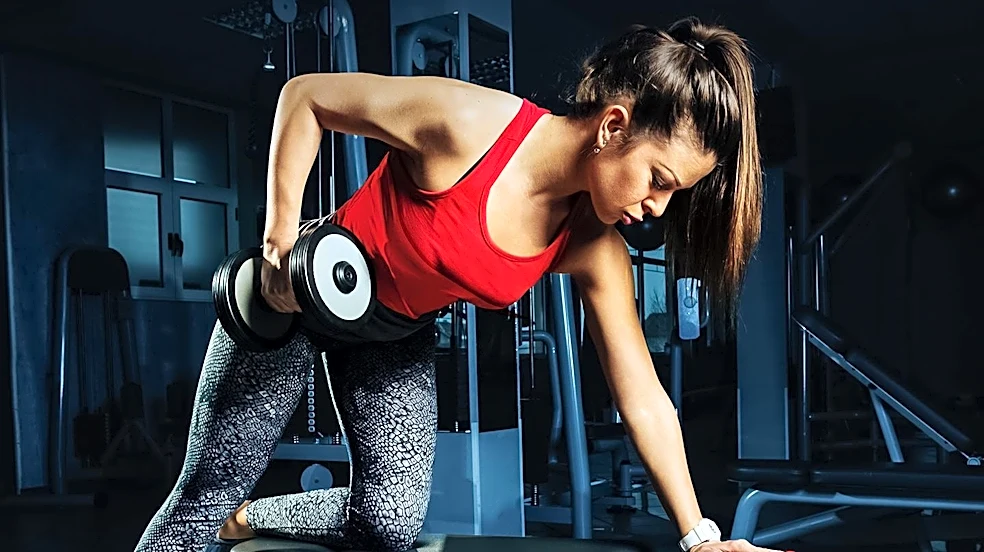
function, lower-body strength, full-body flexibility, dynamic balance, mobility, and overall stability. This type of exercise also plays a vital role in rebuilding bone density, which is essential for preventing osteoporosis and reducing the likelihood of fractures. Recommended activities include foundational movements such as squats, rows, presses, and heel raises. Additionally, balance-specific training, like single-leg standing and heel-to-toe walking, further supports fall prevention efforts. The integration of muscle-strengthening exercises with aerobic activity, balance practice, and mobility work, alongside proper nutrition and recovery, is highlighted as a comprehensive approach to healthy aging for post-menopausal women.
Why It's Important?
The emphasis on strength training for post-menopausal women is critical due to the physiological changes that occur during and after menopause, including declining estrogen levels which impact bone density and muscle mass. Falls are a significant concern for older adults, and the risk is exacerbated in post-menopausal women due to reduced bone density, making falls potentially more severe. By improving lower-body strength and physical function, strength training directly addresses key factors in fall prevention. Furthermore, the ability to rebuild bone density through resistance exercise helps combat osteoporosis, a condition that makes bones brittle and prone to fractures. This proactive approach can significantly enhance the quality of life, independence, and overall well-being of post-menopausal women, reducing healthcare burdens associated with fall-related injuries and osteoporosis treatments.
What's Next?
The continued integration of strength training and balance exercises into health guidelines for post-menopausal women is expected. Healthcare providers and fitness professionals will likely further emphasize personalized exercise programs that consider individual health conditions, such as osteoporosis or joint problems. There will be an ongoing focus on educating women about the importance of challenging their muscles regularly, even without aiming for bodybuilding levels of intensity. Future recommendations may also refine the optimal frequency and intensity of strength training, potentially incorporating more specific guidance on combining resistance training with aerobic activity and mobility work. The role of adequate nutrition, particularly protein intake, and sufficient recovery will also remain central to maximizing the benefits of these routines.
Beyond the Headlines
Beyond the immediate physical benefits, the promotion of strength training for post-menopausal women carries broader implications for societal perceptions of aging and women's health. It challenges the outdated notion that physical decline is an inevitable and unmanageable aspect of aging, particularly for women. By empowering women to actively maintain and improve their physical capabilities, it fosters greater confidence and emotional well-being, shifting the focus from weight management to overall body composition and functional strength. This movement can also lead to a re-evaluation of fitness industry standards, encouraging more inclusive and age-appropriate exercise programs. Ethically, it underscores the importance of accessible and tailored health information and resources for women navigating menopause, ensuring they are equipped to make informed decisions about their long-term health.