
What's Happening?
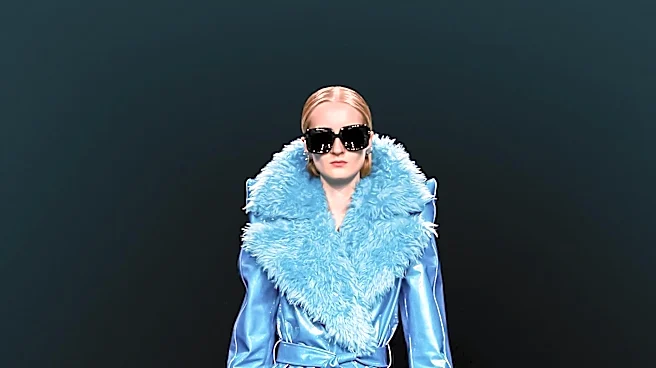
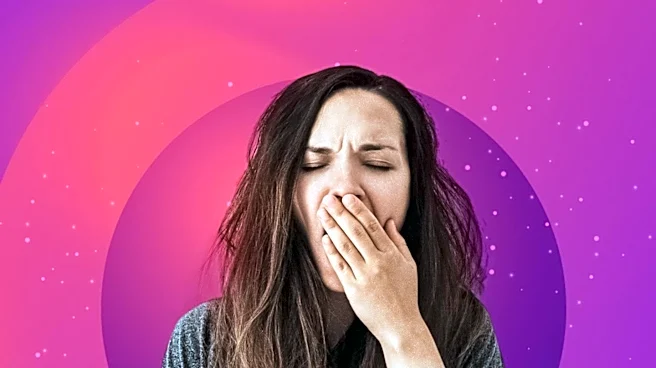
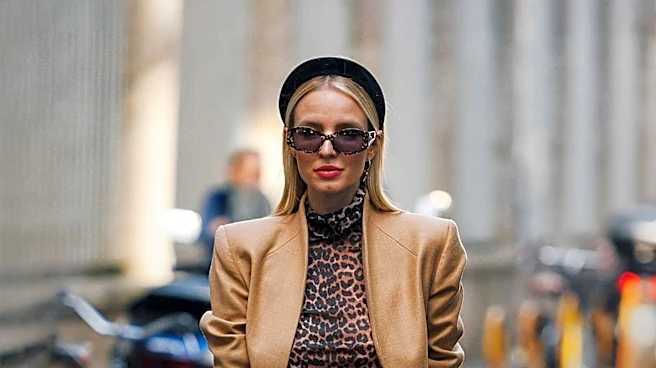
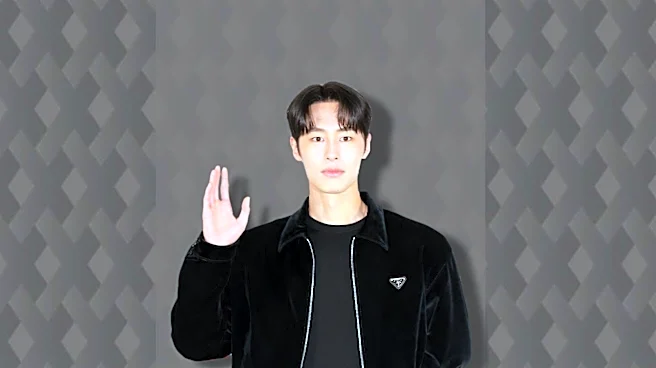
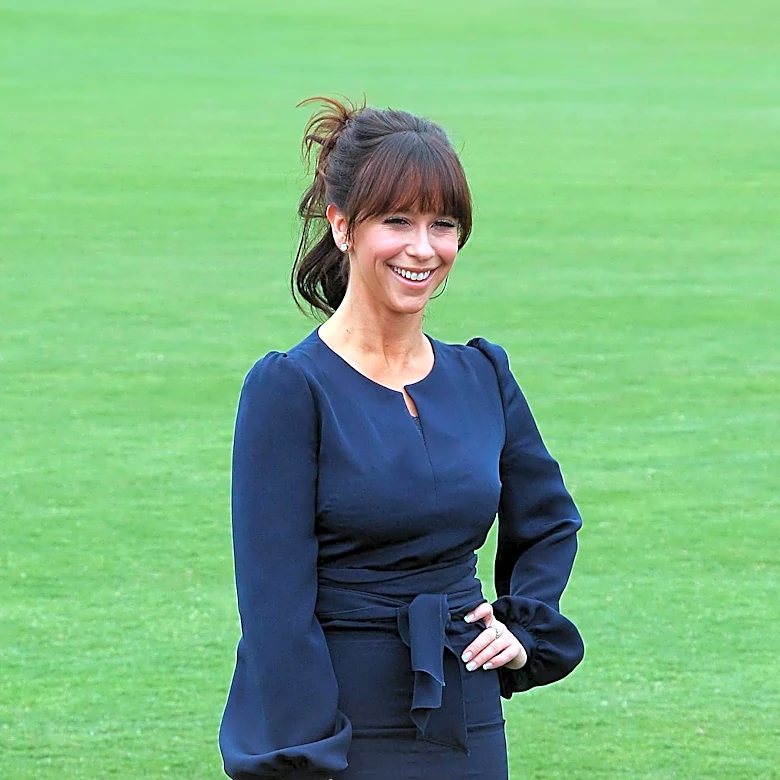
The 'tired girl' beauty trend, also known as 'depression hair,' is gaining traction in the fashion industry, with major fashion houses like Prada and Stella McCartney incorporating the look into their runway shows. This trend features deliberately messy,
unkempt hair that mimics the appearance of exhaustion or emotional burnout. It has been embraced as a form of rebellion against overly polished aesthetics, offering a more natural and lived-in appearance. The trend is seen as a reaction to the clean, polished styles that have dominated fashion in recent years, and it reflects a broader cultural shift towards authenticity and effortlessness. The style has been popularized on social media platforms like Instagram, where users share tutorials on achieving the look.
Why It's Important?
The adoption of the 'tired girl' trend by high-profile fashion designers signifies a shift in the fashion industry's aesthetic values. By embracing a look that prioritizes authenticity and effortlessness, the trend challenges traditional beauty standards and offers a new form of luxury that is accessible and relatable. This shift could influence consumer behavior, encouraging individuals to embrace their natural appearance and reject the pressure to conform to polished beauty ideals. Additionally, the trend's popularity on social media highlights the growing influence of digital platforms in shaping fashion trends and consumer preferences.
What's Next?
As the 'tired girl' trend continues to gain momentum, it is likely to influence future fashion collections and beauty standards. Fashion brands may increasingly incorporate elements of authenticity and effortlessness into their designs, reflecting a broader cultural shift towards valuing individuality and self-expression. The trend may also inspire new beauty products and styling techniques that cater to consumers seeking a more natural and relaxed look. Additionally, the trend's popularity on social media suggests that digital platforms will continue to play a significant role in shaping fashion trends and consumer behavior.