





What's Happening?
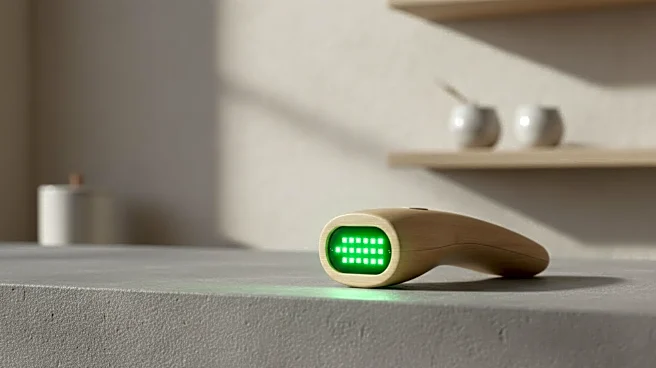
Green light therapy is emerging as a popular non-invasive treatment for skin concerns, particularly for reducing inflammation and fading dark spots. This therapy uses a specific wavelength of light, typically ranging from 500-570 nanometers, to target
cells in the epidermis and upper dermis. Dermatologists like Ellen Marmur and Hadley King highlight its potential benefits, including improved blood circulation and anti-inflammatory effects, which may promote wound healing and a healthier complexion. Despite its growing popularity, the research supporting green light therapy's efficacy is limited, with few well-designed studies available. Some existing studies are funded by companies selling beauty devices, raising questions about bias. Additionally, there is some evidence suggesting that green light might increase melanin production, contrary to its intended purpose.
Why It's Important?
The interest in green light therapy reflects a broader trend in non-invasive cosmetic treatments, appealing to consumers seeking alternatives to traditional skincare methods. Its potential to address hyperpigmentation and inflammation could benefit individuals with specific skin concerns, offering a new tool in dermatological care. However, the lack of comprehensive research poses challenges for consumers and professionals in assessing its true effectiveness and safety. The therapy's popularity underscores the need for more rigorous studies to validate its claims and ensure consumer safety. As the beauty industry continues to innovate, understanding the science behind such treatments is crucial for informed decision-making by both consumers and healthcare providers.
What's Next?
As green light therapy gains traction, further research is essential to establish its efficacy and safety. Dermatologists and researchers may focus on conducting independent, well-designed studies to provide clearer insights into its benefits and potential risks. The beauty industry might also see an increase in the development and marketing of at-home green light therapy devices, prompting regulatory bodies like the FDA to evaluate these products for safety and effectiveness. Consumers interested in this therapy should remain cautious, seeking devices with FDA clearance and consulting with dermatologists to ensure appropriate use.
Beyond the Headlines
The rise of green light therapy highlights the intersection of technology and beauty, where scientific advancements are rapidly integrated into consumer products. This trend raises ethical considerations about the marketing of such treatments, especially when scientific evidence is limited. The beauty industry faces the challenge of balancing innovation with responsibility, ensuring that new products are both effective and safe for consumers. As light therapy becomes more mainstream, it may also influence cultural perceptions of beauty and skincare, emphasizing non-invasive, technology-driven solutions.