

What's Happening?
Former Tampa Bay Lightning star Tyler Johnson has shared his experiences living within the NHL's COVID-19 bubble during the 2020 Stanley Cup playoffs. Johnson described the environment as mentally challenging due to strict rules and pervasive uncertainty
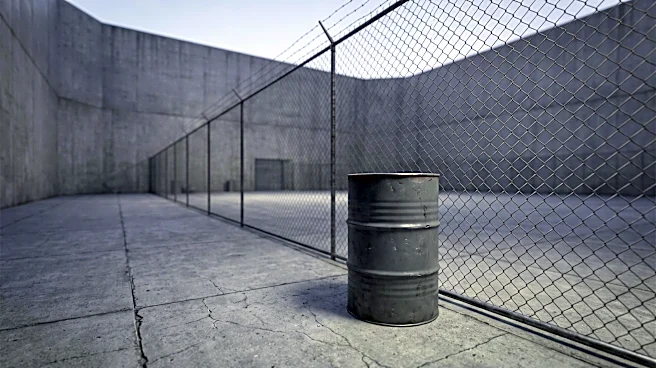
surrounding the pandemic. The NHL established two hub cities, Edmonton and Toronto, in Canada to resume the season without fans. While efforts were made to simulate a game-day atmosphere with pumped-in crowd noise, the reality for players was a highly restricted existence. Johnson noted that Toronto offered more recreational options, such as BMO Field for baseball, but Edmonton's bubble was particularly restrictive. He recounted players primarily eating, drinking, and playing cards, with limited outdoor access that felt like a 'jail' due to fenced courtyards and metal barrels used for warmth. The former Lightning star also revealed that the NHL was unable to fulfill promises regarding family visits and recreational activities like golfing or fly fishing, further contributing to the difficult conditions.
Why It's Important?
This firsthand account from Tyler Johnson offers significant insight into the extraordinary measures undertaken by professional sports leagues to continue operations during the initial phase of the COVID-19 pandemic. It highlights the immense personal sacrifices athletes made, extending beyond the physical demands of their sport to include severe social isolation and restrictions on personal freedoms. The narrative underscores the psychological toll of such environments, revealing the mental health challenges that could arise from prolonged confinement and uncertainty, even for high-performing individuals. For sports organizations, it provides a retrospective look at the logistical and human challenges of creating bio-secure bubbles, informing future crisis management strategies. Furthermore, it sheds light on the compromises made between league promises and the evolving realities of a global health crisis, impacting player trust and future negotiations regarding health and safety protocols.
What's Next?
While the immediate context of the NHL's COVID bubble is in the past, Johnson's revelations contribute to a broader ongoing discussion within professional sports about player welfare and the psychological impact of demanding competitive environments. Leagues may continue to refine their approaches to player support, particularly concerning mental health resources, in response to such experiences. Future collective bargaining agreements could see increased emphasis on clauses related to player living conditions and family access during extraordinary circumstances, drawing lessons from the 2020 bubble. The sports industry as a whole will likely continue to analyze these historical events to develop more robust contingency plans for future crises, aiming to balance operational continuity with the well-being of athletes. This account also serves as a historical record, influencing how future generations view the resilience and adaptability of sports during unprecedented global events.
Beyond the Headlines
Johnson's description of the NHL bubble as feeling like a 'jail' with limited activities and unfulfilled promises touches upon deeper ethical considerations regarding the autonomy and well-being of professional athletes. It raises questions about the extent to which organizations can restrict personal freedoms, even under extraordinary circumstances, and the psychological burden such restrictions place on individuals. The narrative also highlights the inherent power dynamics between leagues and players, where promises made during uncertain times may not always be deliverable, leading to potential breaches of trust. Culturally, this account contributes to the broader understanding of how different segments of society adapted to the pandemic, showcasing the unique challenges faced by those in high-profile, high-pressure professions. It underscores the human element behind major sporting events, reminding audiences that even elite athletes are susceptible to the mental and emotional strains of isolation and uncertainty.