


What's Happening?
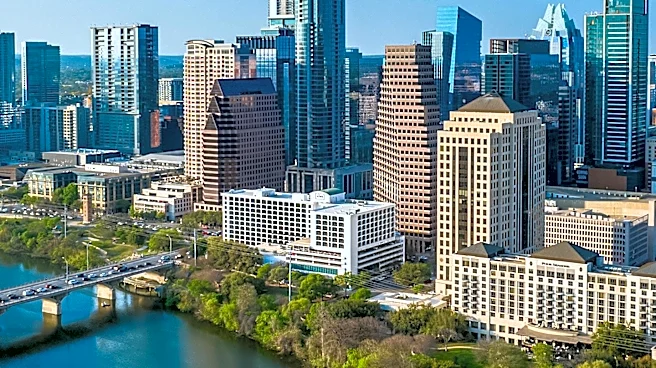
Tyler The Creator was arrested in 2014 at the South by Southwest (SXSW) festival in Austin, Texas, on charges of inciting a riot. The incident occurred on March 13, 2014, at the Scoot Inn, where the venue reached maximum capacity, leaving many fans outside.
According to reports from the Austin Police Department and eyewitnesses, Tyler The Creator allegedly encouraged the crowd outside to break through barricades to enter the show. The situation escalated into what authorities described as a 'riotous' atmosphere, with witnesses claiming he repeatedly shouted instructions for the crowd to 'push, push, push' through security gates. This surge bypassed security protocols, creating a significant safety risk. The arrest happened just one day after an unrelated tragic accident at the festival, which had already heightened public safety concerns for local authorities. He was apprehended at the Austin-Bergstrom International Airport and charged with inciting a riot, a Class A misdemeanor in Texas, and held on a $25,000 bond.
Why It's Important?
This incident highlights the complex relationship between artistic performance, crowd control, and legal responsibility, particularly in high-energy festival environments like SXSW. The charge of inciting a riot against a prominent artist sparked a significant debate within the music community regarding a performer's influence and accountability for audience behavior. Law enforcement viewed the actions through the lens of public safety, emphasizing the dangers of crowd manipulation and the potential for crush injuries or structural failures. For Tyler The Creator, this event became a defining moment, forcing a conversation about the responsibilities artists have toward their audience's physical safety. It also served as a warning to other performers about the potential legal consequences of encouraging risky crowd behavior, influencing how venues and authorities manage large-scale events and artist interactions with their fans.
What's Next?
Following his arrest, Tyler The Creator was released on bond. He eventually reached a legal resolution that involved a period of probation and requirements to stay out of trouble in the Austin area. The charges were ultimately dismissed after he met the court's conditions, meaning he avoided a formal conviction for inciting a riot. This outcome allowed him to continue his career without a permanent criminal record from this incident. The event, however, contributed to ongoing discussions within the music industry and among legal professionals about performer liability and crowd safety protocols at festivals and concerts. Future events continue to implement stricter security measures and guidelines for artists to prevent similar incidents, emphasizing the importance of responsible crowd management.
Beyond the Headlines
The 2014 SXSW incident with Tyler The Creator delves into deeper implications concerning freedom of expression versus public safety. While fans argued his comments were part of a high-energy persona, authorities viewed them as direct commands with dangerous consequences. This case underscores the legal system's interpretation of 'inciting a riot' in the context of live entertainment, where intent and the immediate danger created are critical factors. The incident also marked a turning point in Tyler The Creator's public image and artistic evolution. In the years following, his music and public conduct matured, shifting from aggressive shock value to sophisticated artistry. This transformation demonstrates an artist's ability to navigate legal challenges and rebrand, moving from controversy to cultural icon, while still prompting ongoing discussions about the boundaries of performance and the responsibilities of public figures.