






What's Happening?
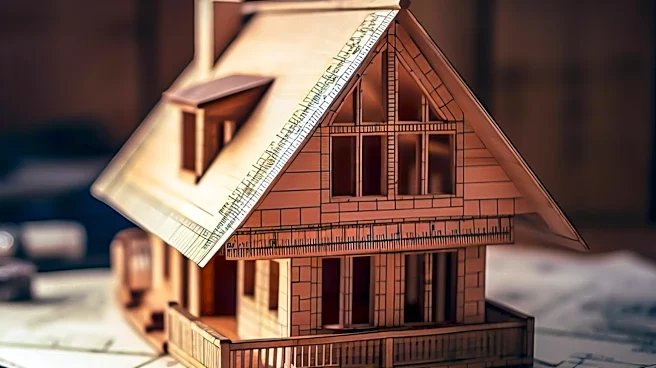
Amazon is now selling modern, container-style tiny homes that can be assembled by consumers in their backyards. These prefabricated units are designed to provide additional living space without the need for extensive construction. The appeal of these
tiny homes lies in their versatility, serving as potential guest houses, home offices, art studios, or vacation getaways. They offer a way to expand property square footage with relative ease. The units arrive largely pre-assembled, allowing for DIY installation. The design is modular, offering customization in terms of size, layout, and finish options to suit individual preferences and property characteristics. These structures are built with durable materials intended to withstand various outdoor elements, including rain, wind, and sun exposure.
Why It's Important?
The availability of self-assemble tiny homes on platforms like Amazon signifies a growing trend in accessible and flexible housing solutions. This development could significantly impact the housing market by offering more affordable and customizable options for homeowners looking to expand their living or working spaces. It democratizes access to additional structures, potentially reducing the reliance on traditional, often more expensive, construction methods and contractors. For individuals and families, these tiny homes provide practical solutions for diverse needs, from creating dedicated workspaces in an increasingly remote-work environment to accommodating guests or generating rental income. The ease of assembly and customization could also foster a new wave of DIY home improvement projects, empowering consumers to take control of their property development.
What's Next?
The increasing popularity of these modular backyard structures suggests a potential shift in how homeowners approach property expansion and utilization. We may see a rise in accessory dwelling units (ADUs) and specialized backyard spaces, driven by the convenience and cost-effectiveness of these offerings. This trend could lead to further innovation in prefabricated housing, with more companies entering the market and offering diverse designs and functionalities. Local zoning laws and regulations regarding ADUs and temporary structures will likely face increased scrutiny and potential reform to accommodate this evolving housing solution. Consumers can expect more options for financing, installation support, and integration with smart home technologies as the market matures.
Beyond the Headlines
Beyond their immediate utility, these backyard tiny homes reflect broader societal shifts towards minimalism, sustainability, and flexible living. The concept of a 'tiny home' often aligns with a desire for reduced environmental footprint and a more intentional lifestyle. Ethically, the accessibility of these units could help address housing shortages or provide temporary shelter solutions in certain contexts. Culturally, they challenge traditional notions of homeownership and living spaces, promoting adaptability and resourcefulness. The long-term impact could include a re-evaluation of urban planning and land use, as smaller, more flexible structures become a viable alternative to larger, single-family homes. This trend also highlights the power of e-commerce platforms to disrupt traditional industries, making complex purchases like housing components as accessible as everyday consumer goods.