






What's Happening?
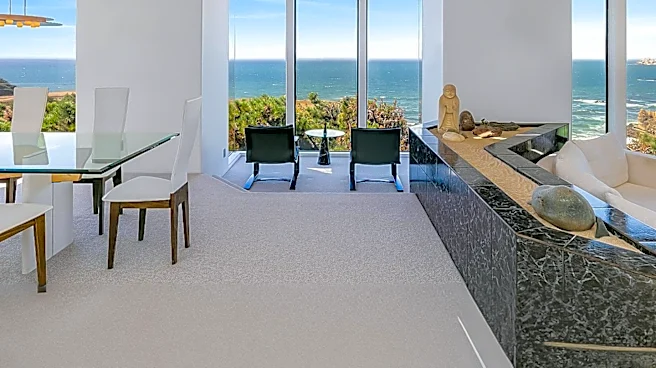
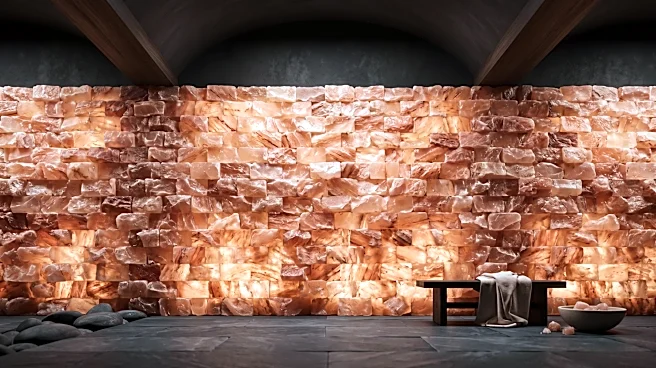
Salt rooms, characterized by their natural salt block and coating designs, are increasingly being incorporated into various settings across the U.S., including private residences, beauty and care centers, spa and wellness centers, and luxury hotels. These
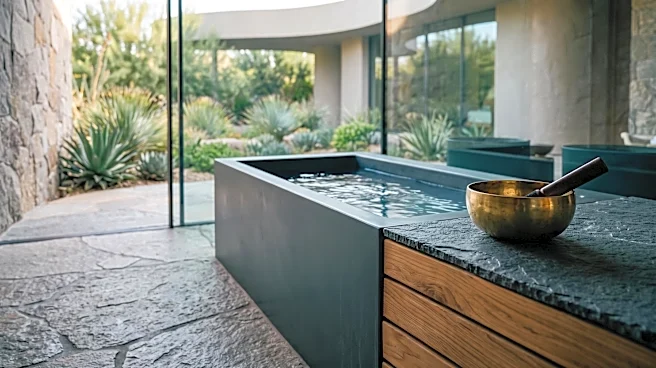
specialized rooms are designed to create a calming atmosphere, utilizing the unique texture, color, and visual effects of natural salt materials. Key design considerations for salt rooms include the size of the space, the selection of salt coatings, appropriate lighting, and comfortable seating arrangements. The materials, often in pink, orange, and warm tones, are highlighted by special lighting to create striking visual and color transitions. While salt rooms are primarily used for relaxation and aesthetic purposes, their design also emphasizes hygiene, ventilation, and material protection. Asortie Furniture, for instance, highlights the importance of furniture and decoration choices to complement the overall aesthetic of these spaces.
Why It's Important?
The growing integration of salt rooms into U.S. luxury hotels and private residences signifies a significant trend in the wellness and hospitality sectors. For luxury hotels, offering salt rooms enhances the guest experience, providing a unique and high-end amenity that can attract discerning travelers and differentiate them in a competitive market. In private residences, these installations reflect a broader consumer desire for personalized wellness solutions and the creation of dedicated relaxation spaces within the home. This trend drives demand for specialized design and construction services, as well as for suppliers of natural salt materials and custom furniture. The emphasis on aesthetic appeal and a calming environment also aligns with a cultural shift towards holistic well-being and stress reduction, impacting interior design trends and the market for luxury home amenities. This could lead to increased investment in wellness infrastructure within both commercial and residential properties.
What's Next?
The expansion of salt rooms is likely to continue, with potential for further innovation in design and integration with other wellness technologies. We may see more beauty and care centers adopting salt rooms as complementary services, and an increase in specialized firms offering turn-key solutions for their installation. As the market matures, there could be a greater focus on sustainable sourcing of salt materials and energy-efficient designs for these rooms. Additionally, as the concept becomes more mainstream, there might be a push for clearer guidelines or certifications regarding the claims made about the health benefits of salt rooms, ensuring that consumers receive accurate information. The trend could also inspire the development of other natural material-based wellness spaces, further diversifying the offerings in the luxury wellness market.
Beyond the Headlines
Beyond their aesthetic and relaxation benefits, the rise of salt rooms reflects a deeper societal yearning for natural, sensory-rich environments in an increasingly digital world. The use of natural salt materials taps into a desire for authenticity and connection with nature, offering a tactile and visual experience that contrasts with synthetic or artificial surroundings. This trend also highlights the evolving definition of luxury, which now often includes access to restorative and health-promoting spaces. While the source cautions against making definitive health claims, the perceived benefits of salt rooms contribute to their appeal, suggesting a consumer base that is actively seeking ways to enhance their well-being through environmental design. This could lead to a broader re-evaluation of how living and commercial spaces are designed to support human health and comfort, moving beyond purely functional considerations to embrace more holistic approaches.