





What's Happening?
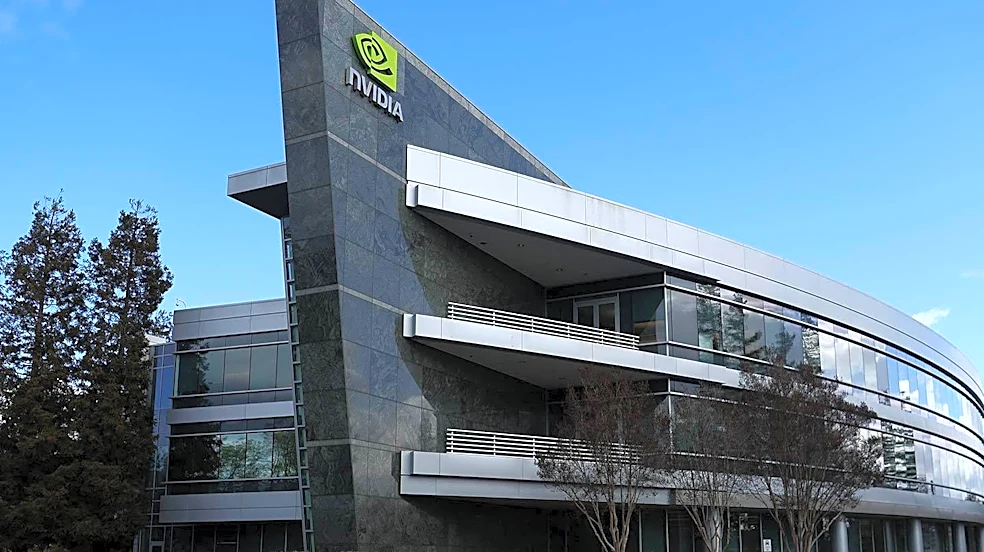
Danaher and NVIDIA have announced a partnership aimed at integrating accelerated computing and artificial intelligence (AI) into laboratory instruments and workflows. This collaboration combines Danaher’s extensive portfolio of scientific instruments and lab automation
solutions with NVIDIA’s GPUs and software stack. The goal is to enable the execution of large-scale models and real-time analytics directly within lab environments. This initiative seeks to shorten experiment cycles and facilitate closed-loop experimentation, where data analysis immediately informs subsequent experimental steps without manual intervention. An example of this application is the Abcam autonomous lab initiative, which uses robotics, imaging instruments, and AI models to accelerate antibody and reagent discovery, compressing weeks of work into days.
Why It's Important?
This partnership is significant for accelerating scientific discovery and innovation, particularly in life sciences. By embedding advanced AI and computing capabilities directly into lab systems, researchers can run more complex models on-site, leading to improved image analysis, sequence interpretation, and assay optimization. This has direct implications for areas such as antibody and reagent discovery, bioprocessing scale-up, and molecular diagnostics, potentially shortening lead selection times for therapeutic antibodies and optimizing fermentation conditions. The integration of these technologies aims to increase reproducibility and experimental throughput in autonomous labs, allowing researchers to explore larger experimental spaces and move from hypothesis testing to systematic exploration, ultimately speeding up the journey from discovery to validation for diagnostics and therapeutics.
What's Next?
The collaboration between Danaher and NVIDIA is expected to drive the development of more integrated lab systems where instruments, software, and accelerated computing function as a cohesive unit. This will likely lead to the proliferation of autonomous labs capable of performing complex experiments with minimal human intervention. Future advancements will focus on making AI models more capable and compute resources more accessible within labs, enabling researchers to conduct more iterations and explore broader experimental parameters. This partnership signals a practical move towards a future where scientific research is significantly expedited, potentially leading to faster development of new treatments, diagnostics, and scientific breakthroughs across various fields.
Beyond the Headlines
The integration of AI and accelerated computing in scientific labs carries profound implications beyond just speed and efficiency. It raises questions about the future role of human scientists, who may shift from performing repetitive tasks to focusing on higher-level experimental design and interpretation. Ethical considerations regarding AI-driven decision-making in research, particularly in drug discovery and diagnostics, will become more prominent. The increased automation could also lead to a standardization of experimental procedures, potentially enhancing reproducibility across different labs but also raising concerns about the loss of serendipitous discoveries that sometimes arise from human intuition and unexpected observations. Furthermore, the accessibility of such advanced lab technologies could create a divide between well-funded institutions and those with fewer resources, impacting the global landscape of scientific research and innovation.