






What's Happening?
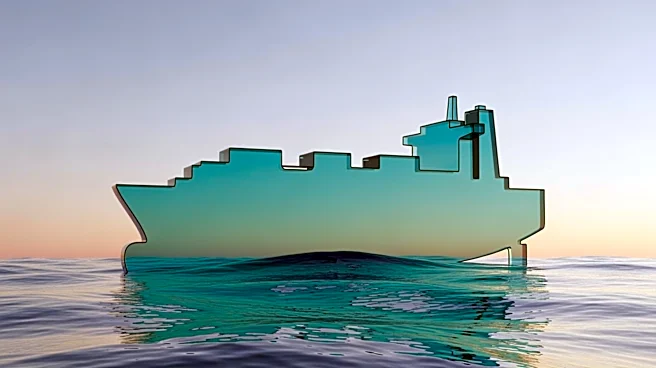
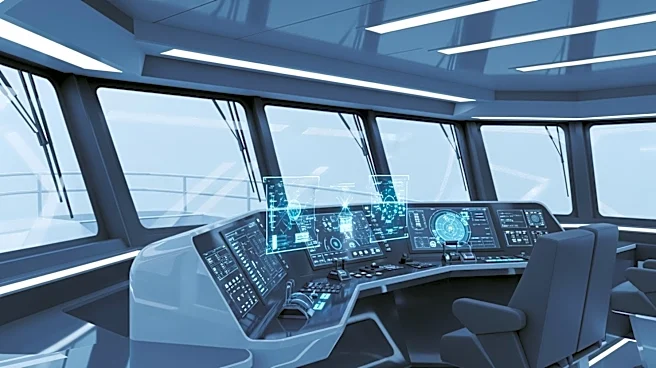
ABS, along with Polaris Shipping, HD Hyundai Heavy Industries (HHI), and AVIKUS, has entered into a Concept Study Agreement to develop a Conditional Unmanned Bridge for autonomous navigation. This initiative aims to enable unmanned bridge operations during
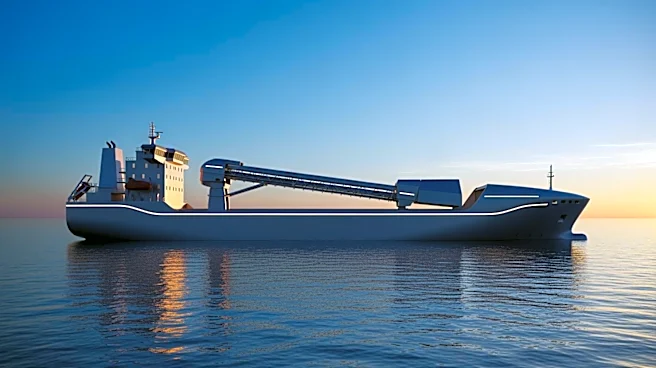
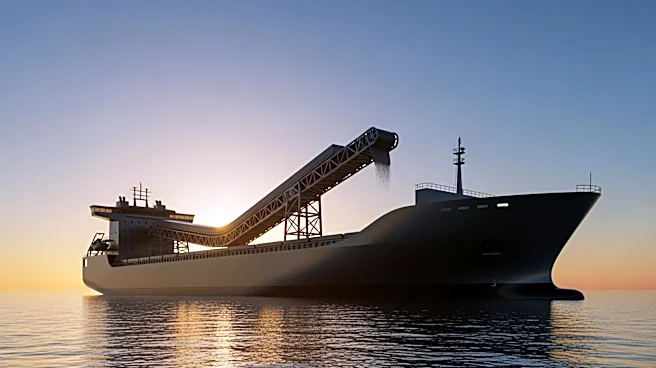
specific low-risk conditions, such as open-ocean passages, on Polaris Shipping's 325K Very Large Ore Carriers (VLOCs). The project is aligned with the International Maritime Organization's (IMO) Maritime Autonomous Surface Ships (MASS) Code, which is considered a realistic approach to deploying autonomous shipping in the near future. The collaboration will involve a structured safety evaluation and the integration of autonomous navigation with vessel design. The parties will use real operational data to define the boundary between human and automated operations, with the goal of establishing technical and operational readiness for commercial deployment.
Why It's Important?
The development of a Conditional Unmanned Bridge represents a significant step towards the realization of autonomous shipping, which could revolutionize the maritime industry by enhancing safety and operational efficiency. By reducing the need for human presence on the bridge during certain conditions, shipping companies can potentially lower operational costs and minimize human error. This initiative also aligns with global efforts to advance autonomous technologies, which are expected to play a crucial role in the future of transportation. The collaboration between major industry players like ABS, Polaris Shipping, HHI, and AVIKUS underscores the importance of cross-industry partnerships in driving innovation and addressing regulatory and safety challenges associated with autonomous navigation.
What's Next?
The four parties involved in the agreement will continue to refine the unmanned bridge concept through iterative reviews focusing on safety, design, and operational perspectives. The outcomes of these reviews will be compiled into a Technical Publication, which will guide the development of autonomous navigation systems and ship design roadmaps. As the project progresses, it is expected to set a precedent for the commercial deployment of autonomous shipping under the IMO MASS Code framework. The maritime industry will be closely monitoring the results of this initiative, as it could pave the way for broader adoption of autonomous technologies in shipping.