



What's Happening?
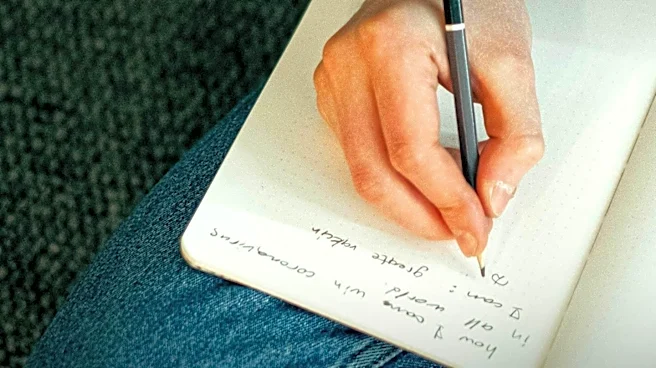
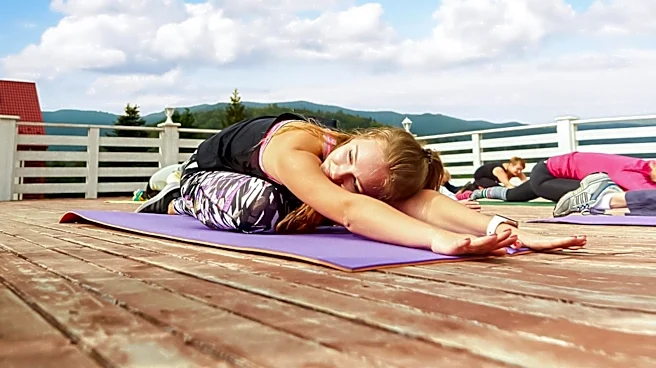
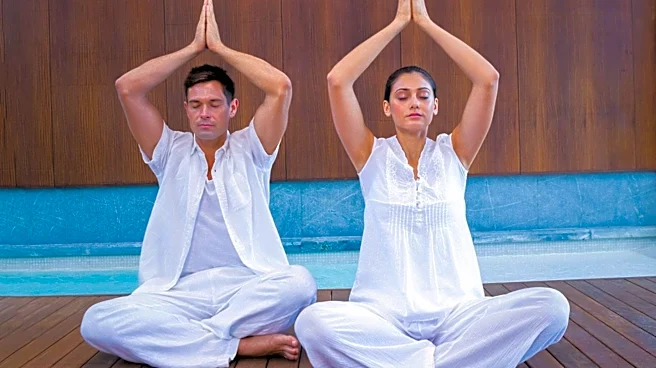
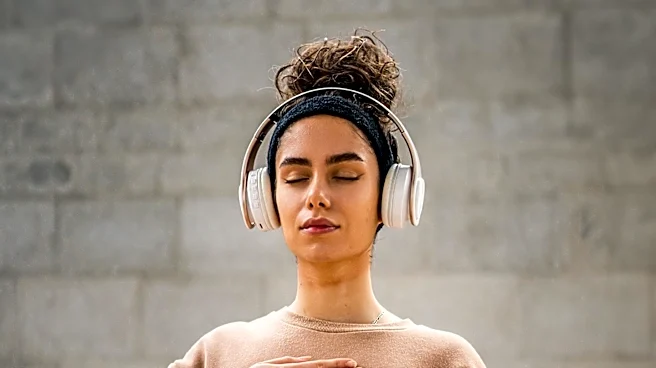
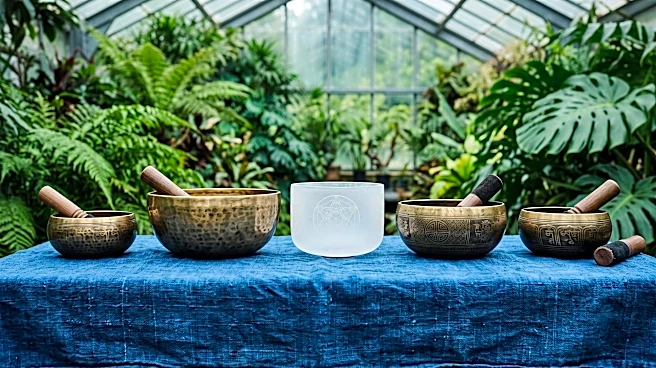
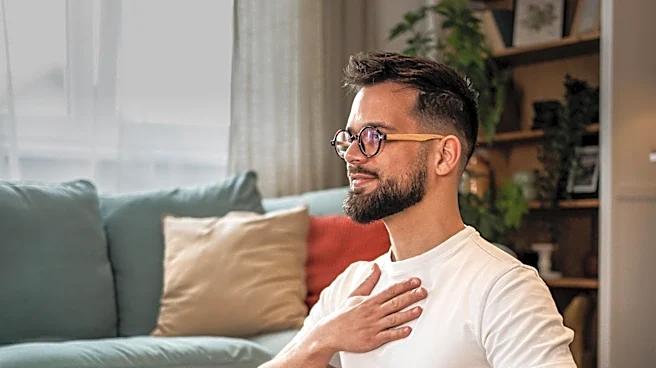
Urban retreats are emerging as dedicated spaces designed to provide individuals with a respite from the demands of everyday life, fostering opportunities for introspection, relaxation, and reconnection. Projects like The Urban Monk offer structured full-
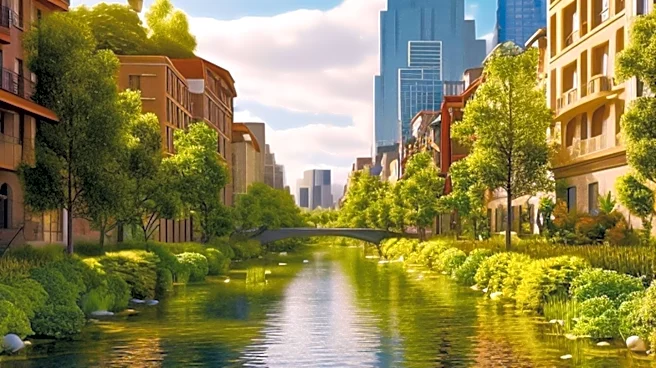
and half-day retreats that integrate meditation, movement, conversation, and creative expression. These programs aim to guide participants toward achieving stillness and a sense of sanctuary within an urban environment. Additionally, specialized retreats such as The Father Wound are available, providing a one-day event specifically for men to delve into the impact of their relationships with their fathers or significant father figures. Architectural initiatives like The Threshold are also contributing to this trend by reimagining public spaces to prioritize personal autonomy and emotional well-being, creating restorative environments where natural elements and architectural design merge seamlessly. This movement extends to practical applications, as seen in Switzerland, where a rooftop garden was transformed into an outdoor urban retreat, complete with perennials, trees, shrubs, an outdoor kitchen, seating area, and a fireplace, demonstrating diverse approaches to creating these tranquil urban havens.
Why It's Important?
The growing popularity of urban retreats signifies a broader societal recognition of the increasing stress and mental fatigue experienced by individuals in fast-paced urban settings. These retreats offer a crucial counterbalance, providing accessible avenues for mental and emotional rejuvenation without requiring extensive travel or time commitments. For U.S. society, this trend reflects a shift towards prioritizing mental health and well-being, potentially influencing workplace policies, urban planning, and community development initiatives. Businesses in the wellness sector stand to gain significantly, as demand for such services, including meditation, mindfulness, and therapeutic programs, is likely to increase. Conversely, traditional leisure and entertainment industries might face competition as individuals allocate more resources towards self-care and personal development experiences. The integration of nature into urban design, as exemplified by the Swiss rooftop garden, also highlights a growing emphasis on biophilic design principles, which could lead to more green spaces and restorative environments within U.S. cities, benefiting public health and environmental sustainability.
What's Next?
The concept of urban retreats is likely to expand further, with more diverse offerings and specialized programs catering to various needs and demographics. We can anticipate an increase in dedicated urban retreat centers, as well as the integration of retreat-like elements into existing urban infrastructure, such as community centers, corporate offices, and public parks. The development of architectural projects like The Threshold suggests a future where urban planning actively incorporates spaces designed for emotional well-being and personal reflection. Furthermore, the success of these retreats may encourage more research into the psychological and physiological benefits of short-term, accessible wellness interventions, potentially leading to greater acceptance and integration of such practices into mainstream healthcare and corporate wellness programs. The trend could also inspire local governments and urban developers to invest in creating more accessible green spaces and tranquil zones within cities, recognizing their value for public health and quality of life.
Beyond the Headlines
Beyond their immediate benefits, urban retreats touch upon deeper ethical and cultural implications regarding the balance between productivity and well-being in modern society. The demand for these spaces underscores a societal yearning for stillness and meaning amidst constant digital connectivity and consumerism. Ethically, it raises questions about equitable access to such restorative experiences, as many high-quality retreats may be financially inaccessible to certain segments of the population. Culturally, the rise of urban retreats could signify a shift away from purely material pursuits towards a greater emphasis on inner peace and personal growth, potentially influencing cultural norms around leisure, self-care, and community engagement. This trend also highlights the evolving role of urban environments, moving beyond mere functionality to become spaces that actively support the holistic well-being of their inhabitants, fostering a more mindful and resilient urban populace.