




What's Happening?
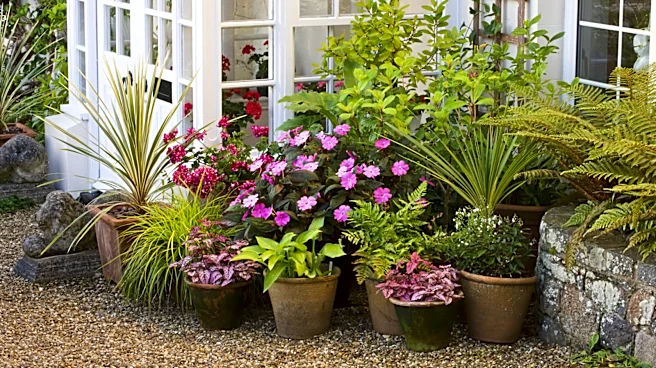
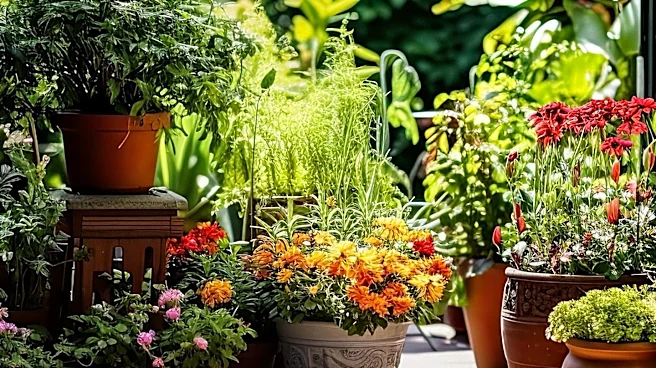
As late summer approaches, container gardens often appear tired due to restricted space, heat, and inconsistent moisture. To refresh these displays, gardeners can replace dead or past-prime plants with fall-thriving flowers such as chrysanthemums, asters,
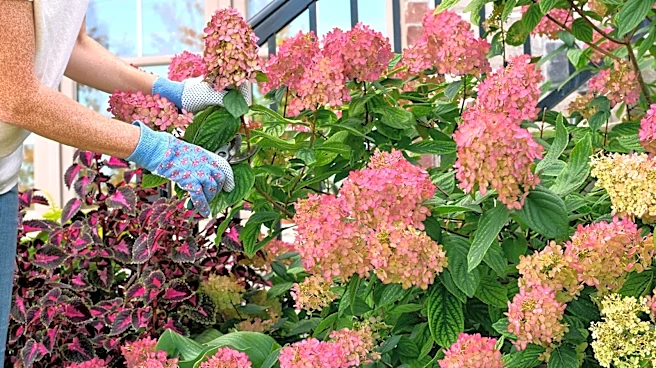
ornamental peppers, coleus, coral bells, ornamental grasses, and late-blooming salvias. This strategy, advised by experts like Brandon McCormick, Landscape Design and Product Development Director at Hooks and Lattice, aims to maintain the established planting for fullness while introducing fresh color and texture. Additionally, a gentle feeding with a water-soluble fertilizer and a fresh layer of compost or potting mix can replenish depleted soil nutrients, as recommended by Kathy Jentz, host of the GardenDC Podcast. Trimming leggy or unsightly growth also contributes to a tidier appearance and encourages new blooms, according to Rebecca Sears from Ferry-Morse.
Why It's Important?
Revitalizing container gardens in late summer is important for several reasons. Aesthetically, it extends the visual appeal of outdoor spaces, allowing homeowners to enjoy vibrant displays well into the fall season. This practice also promotes plant health by providing necessary nutrients and removing spent growth, which can prevent disease and encourage continued blooming. For the gardening industry, this creates a sustained demand for seasonal plants and gardening supplies, including fall flowers, compost, and fertilizers, beyond the peak spring and early summer months. Environmentally, encouraging the reuse of existing container structures and the strategic replacement of plants can be a more sustainable approach than completely re-planting from scratch, reducing waste and resource consumption. It also offers an opportunity for gardeners to adapt their practices to changing seasonal conditions, ensuring their efforts remain productive and rewarding.
What's Next?
Gardeners are encouraged to assess their container plants for signs of fatigue, such as yellowing leaves or spent blooms, and plan for replacements with suitable fall varieties. The next steps involve acquiring appropriate fall flowers and gardening amendments like compost and water-soluble fertilizers. Implementing a regular trimming and feeding schedule will be crucial to maintain the refreshed appearance and health of the plants. As the season progresses, gardeners should continue to monitor their containers for nutrient needs and adjust watering practices in response to cooler temperatures and potentially increased rainfall. This ongoing care will ensure the longevity of the revitalized displays and prepare the containers for eventual winterization or a new planting cycle in the following spring.
Beyond the Headlines
The practice of refreshing container gardens in late summer reflects a broader shift towards more adaptive and continuous gardening. It highlights a growing appreciation for extending the beauty and productivity of outdoor spaces beyond traditional seasonal peaks. This approach also underscores the importance of understanding plant needs and environmental factors, moving beyond a 'set it and forget it' mentality. Ethically, it promotes responsible gardening by encouraging plant health and resource efficiency. Culturally, it fosters a deeper connection between individuals and their immediate environment, transforming gardening from a chore into an ongoing creative endeavor. This continuous engagement with plant life can also have positive psychological benefits, offering a sense of accomplishment and connection to nature throughout the year.