






What's Happening?
A Canadian couple spent two weeks evaluating Portugal as a potential snowbird destination, seeking an alternative to traditional U.S. and beach-centric locations. Their exploration focused on the cities of Porto and Lisbon, noting the mild winter climate
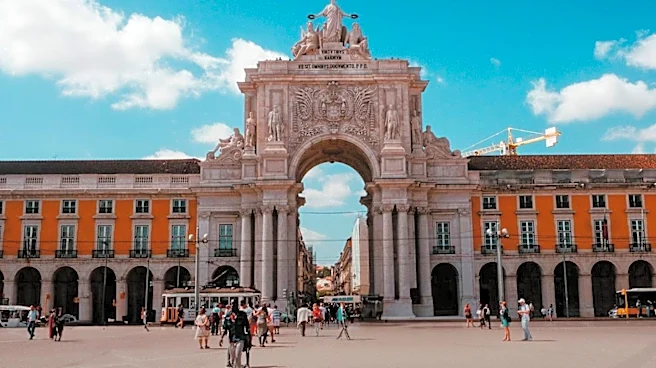
and the welcoming nature of the Portuguese people. They highlighted Porto's historical architecture, port wine tastings, Fado music, and vibrant food markets like Mercado do Bolhão. In Lisbon, they appreciated the pedestrian-friendly streets, 18th-century architecture, and modern areas like the LX Factory and Park of Nations. The couple found Portugal to offer a rich mix of arts, culture, and history, with English widely spoken, making navigation and daily interactions easy. While costs were comparable to Canada, they noted the cooler winter temperatures in Porto and Lisbon, suggesting the Algarve region for those seeking warmer weather.
Why It's Important?
This firsthand account offers valuable insights for Canadians and other North Americans considering alternative winter retreats beyond the typical U.S. sunbelt. It underscores a growing desire among travelers for destinations that offer cultural immersion and urban exploration rather than just beach relaxation. For the U.S. tourism industry, this trend could signal a shift in snowbird preferences, potentially impacting traditional winter destinations like Florida and Mexico. Portugal's appeal, characterized by its rich history, accessible language, and pedestrian-friendly cities, presents a compelling model for destinations aiming to attract a demographic seeking more enriching and active long-term stays. The detailed pros and cons provide practical guidance for potential visitors, influencing travel decisions and highlighting the importance of cultural experiences in destination selection.
What's Next?
The increasing interest in European countries like Portugal as snowbird destinations could prompt travel agencies and airlines to develop more direct routes and long-stay packages from North America. This might also encourage Portuguese tourism boards to further promote their cultural and urban offerings to this demographic, potentially expanding beyond the Algarve's traditional appeal. As more individuals seek remote work opportunities and extended stays abroad, destinations that offer a blend of cultural richness, modern amenities, and a welcoming environment are likely to see increased interest. Future travel trends may continue to favor destinations that provide a comprehensive lifestyle experience rather than just a vacation spot, leading to more diverse international travel patterns for retirees and remote workers.
Beyond the Headlines
The shift towards destinations like Portugal for extended stays reflects a broader cultural evolution in how people approach retirement and remote work. It signifies a move away from purely leisure-focused travel to a more integrated lifestyle that combines cultural exploration, community engagement, and personal enrichment. This trend also highlights the economic impact of 'digital nomads' and 'snowbirds' on local economies, as they contribute to housing, retail, and service sectors. Furthermore, it raises questions about the long-term sustainability of such migration patterns, including potential impacts on local housing markets and cultural integration. The desire for authentic experiences and a slower pace of life in culturally rich environments suggests a re-evaluation of what constitutes an ideal 'home away from home' in an increasingly globalized world.