



What's Happening?
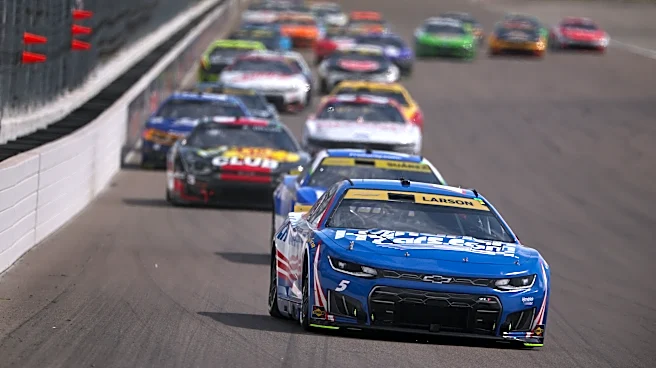
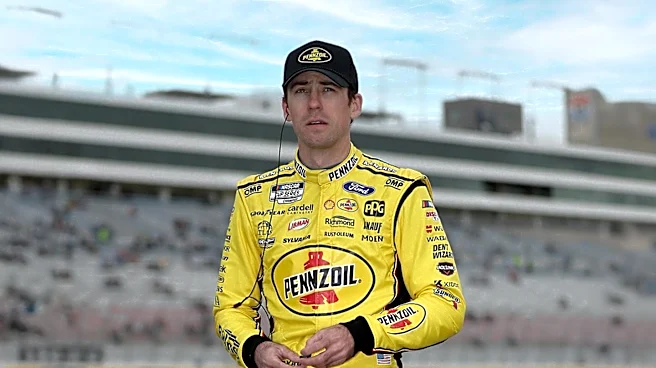
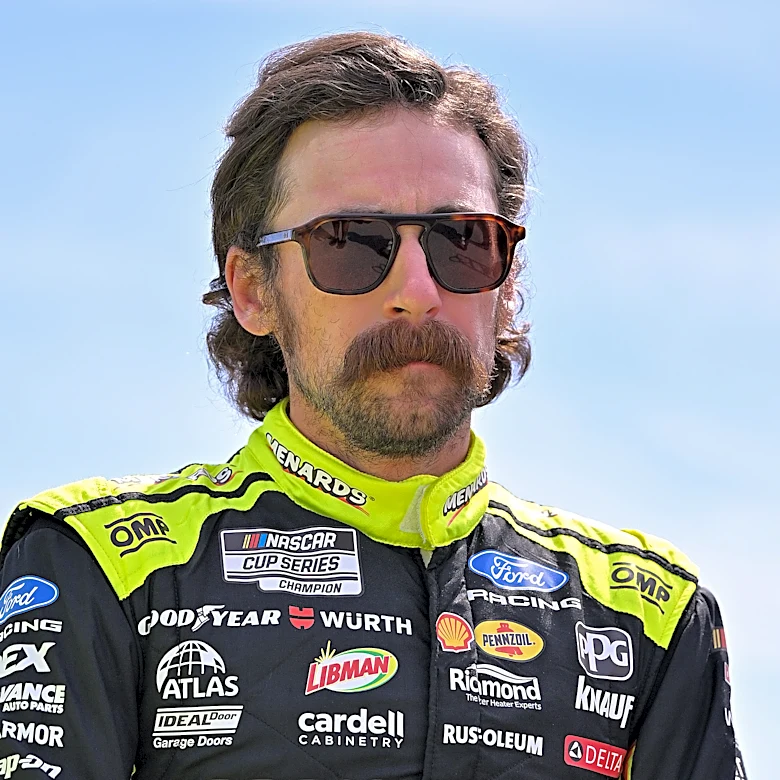
During a recent race at World Wide Technology Raceway, 2023 NASCAR Cup Series champion Ryan Blaney experienced a significant setback when his right front brake rotor shattered, leading to a crash that ended his race. This incident was not isolated, as brake failures
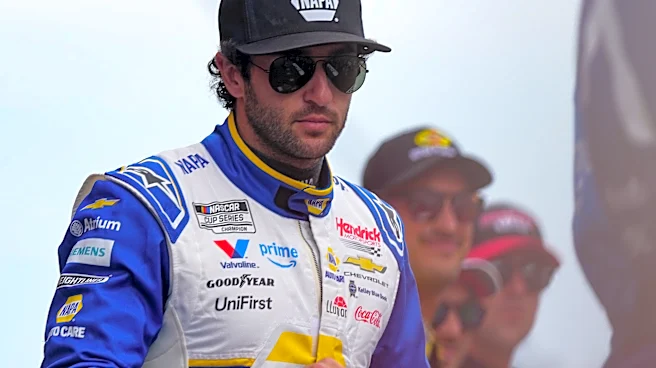
affected multiple drivers, including Chase Elliott and Chris Buescher, contributing to a chaotic race with a record 18 cautions. Blaney's crew chief, Jonathan Hassler, later acknowledged that the team had underestimated the cooling requirements for the brakes, especially with NASCAR's higher-horsepower package introduced for the 2026 season. The brake system in NASCAR Cup cars is largely a spec unit from AP Racing, but teams have some flexibility in choosing brake pads and managing airflow to the system. This often involves a trade-off between aerodynamic performance and brake cooling, where reducing airflow for better aero can lead to faster brake pad wear and increased temperatures, ultimately causing failures.
Why It's Important?
The recurring brake failures in NASCAR, exemplified by Ryan Blaney's incident, raise significant concerns about driver safety and the integrity of the competition. When top contenders like Blaney, Elliott, and Buescher are forced out of races due to mechanical issues, it can dramatically alter the championship landscape and impact the fairness of the sport. The trade-off between aerodynamic performance and brake cooling highlights a critical technical challenge for teams, especially with the increased horsepower and reduced downforce in the 2026 package. This situation also brings into question the current regulations governing component changes. The inability for teams to replace brake components after practice but before the race, even if wear is detected, forces them to make difficult choices that can compromise reliability for performance. This could lead to more unpredictable races, not necessarily due to driver skill or strategy, but due to equipment limitations, potentially alienating fans and impacting the sport's reputation.
What's Next?
The prevalence of brake failures has prompted discussions within the NASCAR community about potential rule changes. Kevin Harvick, a former Cup Series champion, has suggested that NASCAR should grant teams more freedom to change brake pads, rotors, or calipers after practice sessions, particularly when extended practice reveals excessive wear or cooling issues. This proposal aims to prevent in-race failures by allowing teams to address identified problems before the main event. While teams can currently change components during a race, the impound rules prevent pre-race replacements after practice and qualifying. NASCAR will likely need to evaluate these regulations to balance competitive parity with safety and reliability. The outcome of these discussions could lead to adjustments in the rulebook, potentially allowing for more flexibility in component management, especially at tracks known for heavy braking like World Wide Technology Raceway and Bristol Motor Speedway.
Beyond the Headlines
The issue of brake failures in NASCAR extends beyond immediate race results, touching upon deeper implications for engineering, safety, and the philosophy of stock car racing. The current regulations, which limit component changes to maintain competitive balance and control costs, inadvertently create a high-stakes gamble for teams regarding brake cooling and aerodynamic setups. This situation forces engineers to push the limits of their equipment, sometimes to a breaking point, in pursuit of marginal performance gains. The 'cautions breed cautions' phenomenon observed in the chaotic race at Gateway, where repeated yellow flags exacerbated brake issues due to rapid temperature changes, underscores the systemic nature of the problem. Ultimately, NASCAR faces a challenge in finding a regulatory sweet spot that allows for innovation and competitive racing while ensuring driver safety and preventing mechanical failures from overshadowing the sport's athletic and strategic elements. The debate over technical freedom versus strict specifications will likely continue to shape the future direction of the sport.