


What's Happening?
A significant shift is occurring in U.S. home design and consumer preferences, moving away from the opulent, expansive layouts popular in the 1990s and early 2000s towards more functional, efficient, and sustainable living spaces. Homeowners and prospective
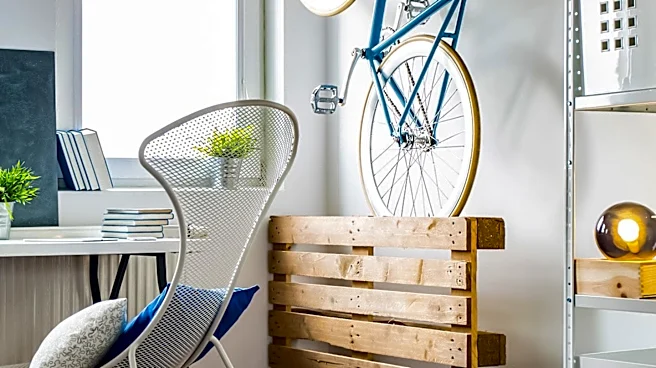
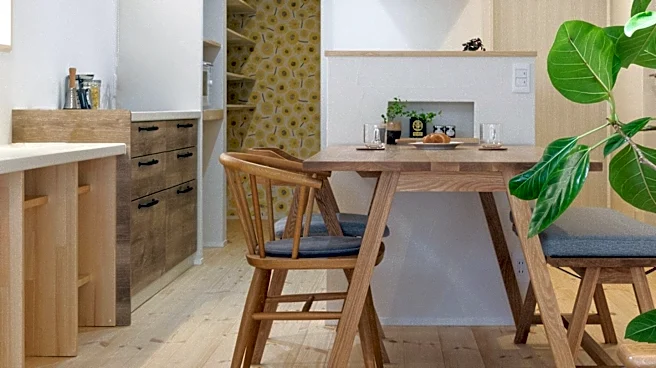
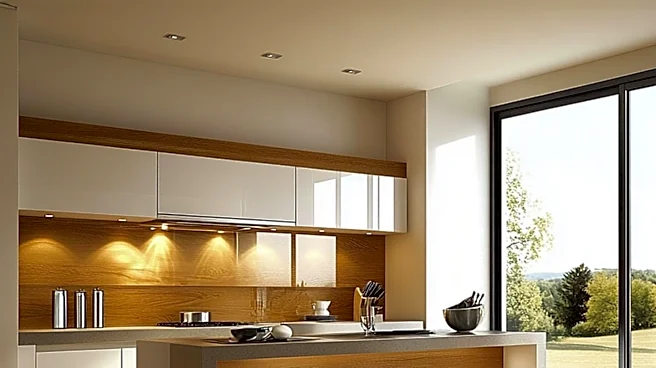
buyers are increasingly prioritizing practicality, comfort, and reduced environmental impact over purely aesthetic grandeur. This trend is marked by a decline in demand for features like two-story foyers and family rooms, which are now often viewed as impractical due to high utility costs, poor acoustics, wasted space, and maintenance difficulties. Instead, there is a growing preference for smart, intuitive layouts that maximize usable and flexible space, such as open-concept kitchens, multifunctional dens for work-from-home, and repurposed workout areas. This evolution reflects a broader societal move towards health, mindfulness, and a desire for less maintenance and more function in urban living, emphasizing accessibility, community, and sustainability.
Why It's Important?
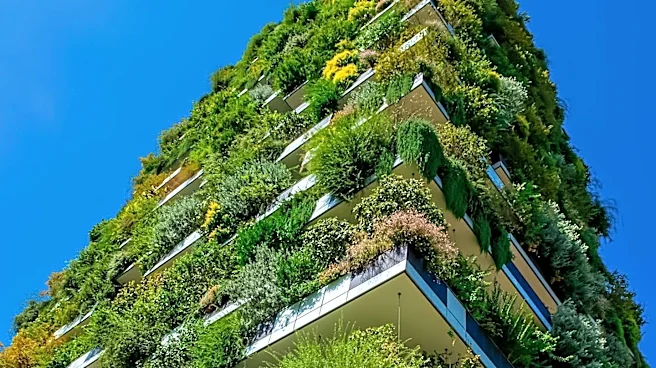
This shift in housing preferences has significant implications for the U.S. real estate, construction, and interior design industries. Builders and developers must adapt to the demand for sustainable residential design concepts, including passive solar design, green building materials, and water conservation, to remain competitive. The focus on energy efficiency directly impacts utility providers and the broader energy sector, as homes designed for lower consumption reduce overall energy demand. For consumers, this trend means access to homes that are not only more cost-effective to maintain but also align with growing environmental consciousness. It also signals a change in what constitutes 'luxury,' moving from sheer size to thoughtful design, technological integration for efficiency, and a connection to nature. This redefinition influences property values and marketability, with well-designed, sustainable homes likely commanding higher appeal.
What's Next?
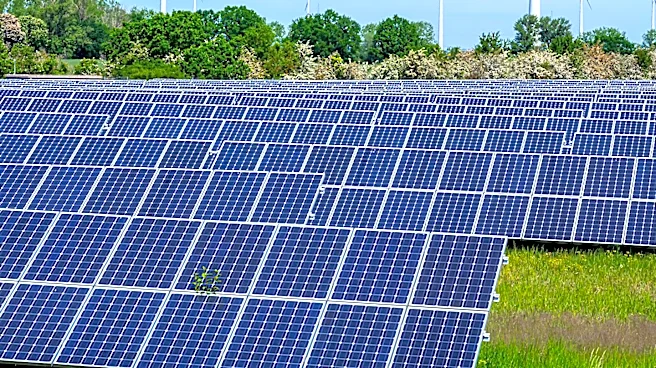
The real estate and construction sectors are expected to continue innovating to meet the demand for sustainable and efficient homes. This includes further integration of smart home technologies for energy management, the development of more advanced green building materials, and design approaches that seamlessly blend indoor and outdoor living spaces. For existing homes with outdated layouts, interior designers and real estate professionals will focus on renovation strategies that convert impractical spaces into functional areas, such as adding mezzanines or glassed-in offices, or implementing comfort technologies like zoned HVAC and acoustic treatments. The market will likely see an increase in homes featuring solar panels, energy-efficient appliances, and advanced insulation. Furthermore, there will be a continued emphasis on human-centric design in lighting and overall home environments, aiming to enhance comfort, focus, and well-being while minimizing environmental impact.
Beyond the Headlines
The move towards sustainable and efficient homes reflects a deeper cultural shift in the U.S. towards conscious consumption and a re-evaluation of lifestyle priorities. The post-pandemic era has accelerated this trend, highlighting the importance of a home as a functional sanctuary rather than just a status symbol. This evolution has ethical dimensions, as it encourages responsible resource use and reduces the carbon footprint associated with residential living. Legally, there may be increased pressure for building codes to incorporate more stringent energy efficiency and sustainability standards. Culturally, the ideal of the 'dream home' is transforming from sprawling mansions to intelligently designed, eco-friendly dwellings that promote well-being and community. This long-term shift could lead to more compact, integrated communities and a greater appreciation for thoughtful design over sheer scale, influencing urban planning and architectural innovation for decades to come.