



What's Happening?
A recent survey conducted by the Global Shrimp Council indicates that shrimp is emerging as a budget-friendly and versatile protein option for U.S. consumers, particularly among Gen Z. The research highlights that 48% of Americans are comparing prices
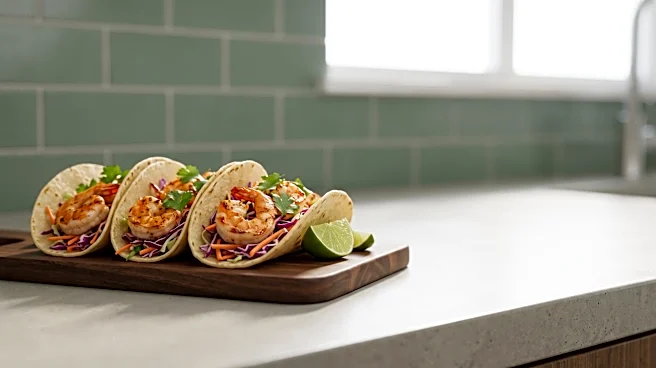
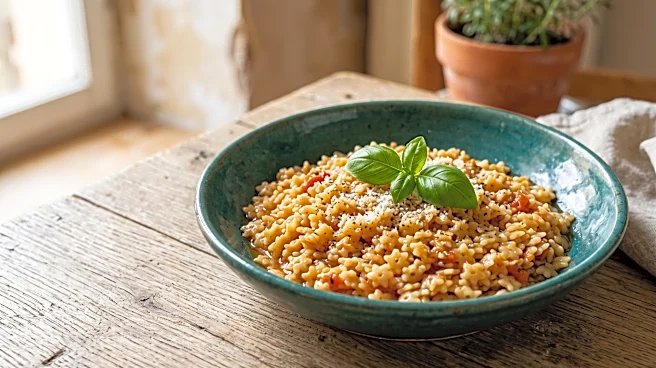
more rigorously due to rising costs, and over a third find budgeting more challenging than making healthy choices. The survey also reveals that 40% of consumers have switched to cheaper brands, and 38% are buying fewer non-essential groceries. Consumers are nearly evenly split between purchasing fresh shrimp (42%) and frozen shrimp (40%). Esther Luiten, executive director of the Global Shrimp Council, noted that protein is a key driver for Gen Z's meal choices, and shrimp's inclusion in U.S. nutritional guidelines is increasing its relevance to younger consumers. The findings suggest a demand for mealtime solutions that offer affordability, ease, nutrition, and versatility. The Global Shrimp Council is actively positioning shrimp as an economical alternative, especially as beef prices remain high, and when paired with affordable pantry staples like rice, pasta, vegetables, and tortillas. Additionally, nearly half of 18- to 24-year-olds consider protein content when selecting meals, and 36% of Gen Z home cooks report knowing how to prepare only one to five dishes.
Why It's Important?
This trend is significant for the U.S. food industry and retailers, as it points to a shifting consumer preference driven by economic pressures and a desire for convenient, healthy options. The increased demand for budget-friendly proteins like shrimp can lead to changes in supply chains, marketing strategies, and product development within the seafood sector. Retailers who effectively promote shrimp's affordability, versatility, and ease of preparation stand to gain a competitive advantage, attracting a wider range of shoppers, including the influential Gen Z demographic. The emphasis on shrimp as a healthy and accessible protein could also influence public health initiatives and dietary recommendations, potentially leading to greater consumption of seafood. Furthermore, the survey's findings about consumers making the same meals repeatedly and struggling with meal planning highlight an opportunity for food manufacturers and retailers to offer more pre-packaged shrimp-based meal solutions or recipe ideas, catering to the need for convenience and variety. The comparison to high beef prices suggests a potential long-term shift in protein consumption patterns, with shrimp possibly capturing a larger market share.
What's Next?
In response to these findings, the seafood industry, particularly shrimp producers and retailers, is likely to intensify marketing efforts to highlight shrimp's benefits. For instance, frozen seafood brand Just Shrimp is partnering with Harris Teeter for a 'Shrimpmas' campaign from October 14-27, aiming to position shrimp as a staple for appetizers and family gatherings, and will share festive social media content. This initiative reflects a broader strategy to build brand awareness and support the growing presence of shrimp products in grocery stores. We can expect more collaborations between shrimp brands and retailers, focusing on promotional activities that emphasize affordability, ease of use, and nutritional value. There may also be an increase in the development of new shrimp-based products, such as ready-to-cook meals or value-added shrimp options, to cater to consumers seeking convenient meal solutions. Educational campaigns promoting shrimp's versatility in various cuisines and its health benefits are also probable, targeting younger consumers and those looking to diversify their protein intake. The ongoing high prices of other protein sources like beef will likely continue to drive consumers towards more economical alternatives, further solidifying shrimp's position in the market.
Beyond the Headlines
The growing preference for shrimp as a budget-friendly protein could have broader implications for sustainable fishing practices and aquaculture. As demand increases, there will be a heightened need for responsible sourcing and production to prevent overfishing and minimize environmental impact. This shift could also spur innovation in aquaculture technologies, leading to more efficient and sustainable shrimp farming methods. From a cultural perspective, the increased accessibility and affordability of shrimp might lead to its greater integration into diverse American culinary traditions, moving beyond its traditional roles in specific cuisines. The focus on Gen Z's dietary habits also underscores the evolving relationship between younger generations and food, characterized by a demand for transparency, health consciousness, and value. This could influence how food companies communicate with consumers, emphasizing not just price but also the ethical and environmental aspects of their products. The trend also highlights the impact of economic conditions on consumer behavior, demonstrating how inflation can reshape dietary choices and drive demand for more cost-effective food options, potentially leading to long-term changes in the American diet.