





What's Happening?
A growing energy infrastructure company located in Lagos, Nigeria, is actively seeking an experienced Health, Safety, and Environmental (HSE) Manager. This role is critical for leading the development and implementation of comprehensive HSE management
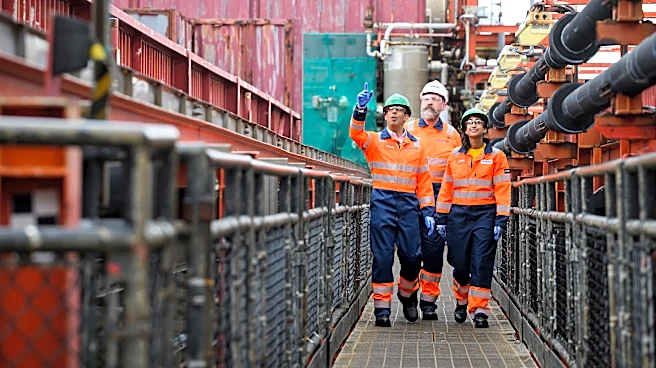
systems within the company. The selected candidate will be responsible for ensuring strict regulatory compliance and fostering a robust safety culture across all gas-to-power operations. Key responsibilities include developing and reviewing HSE policies, monitoring adherence to Nigerian health, safety, and environmental regulations, and conducting workplace risk assessments and safety audits. The position also entails leading incident investigations, driving HSE awareness initiatives, and monitoring environmental performance related to waste management and emissions. Applicants are required to possess a Bachelor's degree in Engineering, Environmental Science, Occupational Health and Safety, or a related field, along with 5-8 years of relevant experience, preferably within the energy, oil and gas, or power sectors. Professional HSE certifications and strong knowledge of Nigerian regulations are also essential.
Why It's Important?
This recruitment highlights a significant focus on strengthening health, safety, and environmental standards within Nigeria's burgeoning energy sector. The emphasis on a dedicated HSE Manager underscores the company's commitment to operational excellence and responsible business practices. For the U.S., this development reflects a broader global trend where energy companies, including those with international ties or operations, are increasingly prioritizing robust HSE frameworks. U.S. companies operating in or partnering with Nigerian energy firms would benefit from such enhanced standards, as it can mitigate operational risks, reduce potential liabilities, and ensure alignment with international best practices. Improved HSE management can also lead to greater operational efficiency and a more stable working environment, which is crucial for attracting and retaining skilled labor and foreign investment. Ultimately, a stronger safety culture in a key energy-producing nation like Nigeria can contribute to more reliable energy supplies and a more predictable business landscape for global stakeholders.
What's Next?
The company is actively accepting applications for the HSE Manager position, with a deadline of November 30, 2026. Following the selection and onboarding of the new manager, the immediate next steps will involve a comprehensive review and potential overhaul of existing HSE policies and procedures. The new manager will be tasked with implementing updated management systems, conducting thorough risk assessments, and initiating training programs to embed a proactive safety culture throughout the organization. This will likely involve close collaboration with operational teams to ensure compliance and address any identified gaps. The company will also focus on enhancing its incident reporting and investigation protocols, as well as improving environmental monitoring and control measures. The long-term goal is to achieve sustained regulatory compliance and a demonstrable improvement in overall safety performance across its gas-to-power operations.
Beyond the Headlines
The creation of this HSE Manager role in a growing Nigerian energy company reflects a deeper commitment to corporate social responsibility and sustainable development within the energy sector. Beyond mere compliance, the emphasis on fostering a 'strong safety culture' suggests a move towards embedding ethical considerations into core business operations. This shift is crucial for emerging economies like Nigeria, where industrial growth must be balanced with environmental protection and worker welfare. For U.S. businesses and investors, this trend indicates a maturing market where adherence to international environmental, social, and governance (ESG) standards is becoming increasingly important. Companies that prioritize robust HSE management are often seen as more reliable and less risky partners, potentially leading to increased foreign direct investment and stronger international collaborations. This also sets a precedent for other companies in the region, encouraging a broader adoption of higher safety and environmental benchmarks, which can have positive long-term impacts on public health and ecological integrity.