

What's Happening?
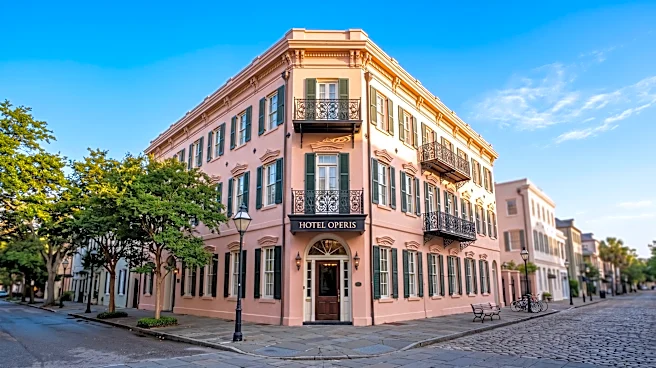
Park Hyatt Hotels are distinguished by their philosophy of 'quiet luxury' and 'understated perfection,' aiming to provide a residential calm rather than a typical hotel experience. This approach is evident in their deliberately smaller properties, typically
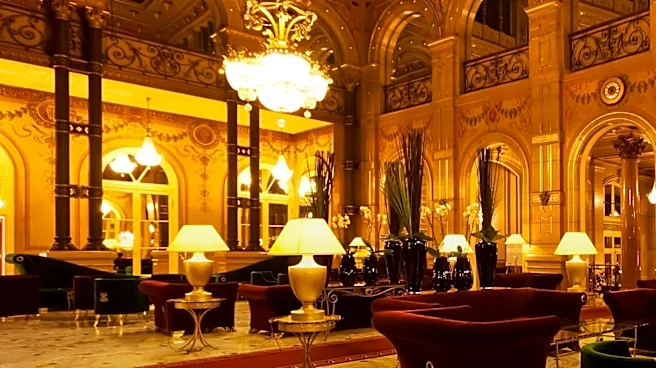
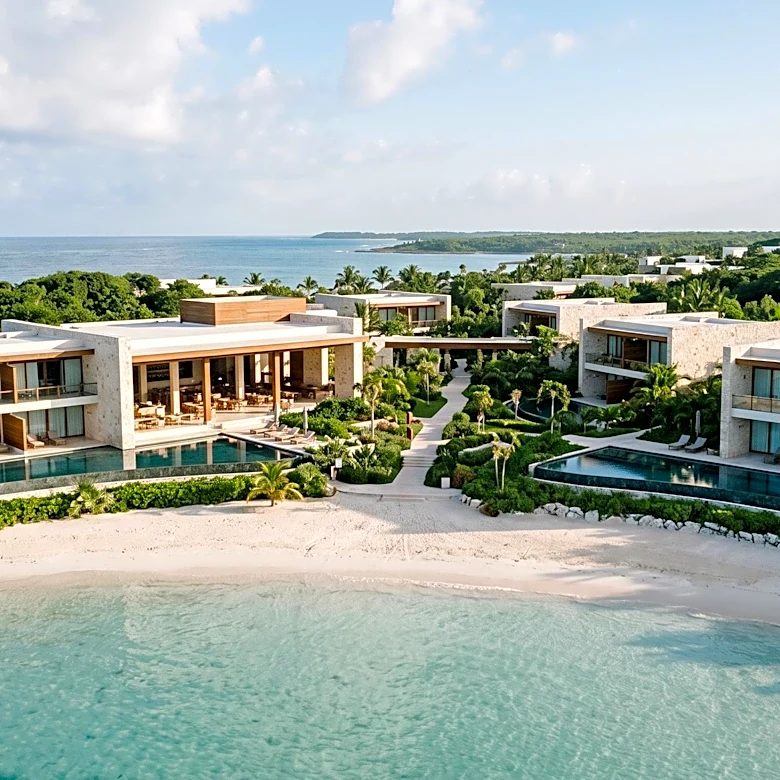
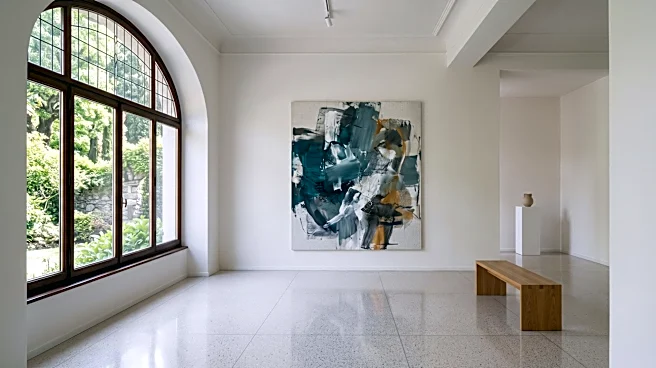
ranging from 150 to 250 rooms, which is significantly fewer than comparable luxury brands. This smaller scale is a core brand principle designed to foster more personal service, quieter public spaces, and an intimate atmosphere. Interiors are built around curated art collections, with significant works integrated into the architecture. The service style is discreet, anticipatory, and conversational, focusing on observing and acting without being asked, akin to a skilled personal assistant. Examples include Park Hyatt New York, which offers large rooms with deep soaking tubs and a calming palette, and a Living Room lounge for quiet retreat.
Why It's Important?
This strategy by Park Hyatt reflects a significant trend in the luxury hospitality sector, catering to a discerning clientele that values subtlety, personalization, and a serene environment over ostentatious displays of wealth. By focusing on smaller properties and curated experiences, Park Hyatt differentiates itself in a competitive market, appealing to travelers who seek genuine comfort and a sense of belonging. This approach can influence other luxury brands to reconsider their scale and service models, potentially leading to a broader shift towards more intimate and personalized guest experiences. The emphasis on art and thoughtful design also elevates the hotel stay beyond mere accommodation, contributing to a richer cultural and aesthetic experience for guests, which can impact consumer expectations for luxury travel.
What's Next?
The success of Park Hyatt's 'quiet luxury' model may encourage other high-end hotel chains to explore similar strategies, potentially leading to a proliferation of smaller, more intimate luxury properties. This could result in increased competition in this niche market segment. Furthermore, the focus on curated art and personalized service might become a benchmark for luxury hospitality, pushing brands to invest more in unique design elements and highly trained staff. Travelers may increasingly seek out hotels that offer a residential feel and a tranquil atmosphere, influencing booking patterns and loyalty programs. The brand's commitment to a specific guest profile suggests a continued refinement of its offerings to meet the evolving demands of sophisticated travelers.
Beyond the Headlines
The 'quiet luxury' movement in hospitality extends beyond mere aesthetics; it signifies a deeper cultural shift towards valuing experiences and authenticity over overt materialism. In an increasingly noisy and fast-paced world, the desire for quiet, calm, and personalized spaces reflects a societal need for respite and genuine connection. Park Hyatt's model taps into this need by creating environments that feel like private residences, fostering a sense of peace and exclusivity. This trend could also be seen as a response to the over-commercialization of luxury, where true value is found in subtlety, quality, and an absence of unnecessary fanfare. It suggests a future where luxury is defined not by what is displayed, but by what is felt and experienced, influencing consumer behavior across various high-end sectors.