






What's Happening?
Experts are highlighting the significant link between dietary choices and mental health, including mood, energy levels, and cognitive function. According to Signe Svanfeldt, lead nutritionist at Lifesum, a balanced diet positively impacts energy, mood, and gut
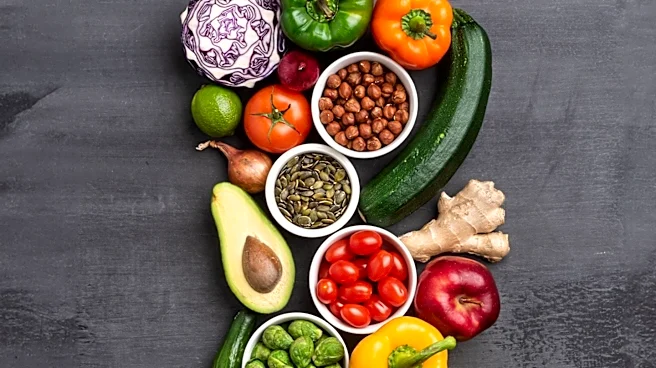
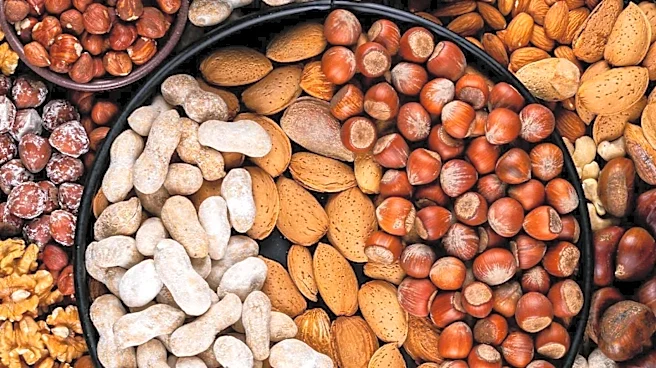
microbiota, which in turn influences mental well-being. Key recommendations include increasing intake of prebiotics and probiotics, found in fermented foods like sauerkraut, kombucha, yogurt, and kefir, which can reduce inflammation and increase serotonin availability. Additionally, foods rich in polyphenols, such as apples, grapes, kiwi, nuts, peppers, red cabbage, and spinach, are advised for their ability to protect the brain from oxidative stress and inflammation. Complex carbohydrates like oats, barley, and buckwheat are also linked to reducing symptoms of anxiety and depression. Vitamin D, found in salmon, trout, UV-exposed mushrooms, and fortified milk, is noted for improving energy levels, though it does not provide an immediate boost.
Why It's Important?
The emphasis on diet's role in mental health underscores a growing understanding of the gut-brain axis and its implications for public health. By connecting specific food groups to improved mood, reduced anxiety, and enhanced cognitive function, this information empowers individuals to make informed choices that can proactively support their mental well-being. This is particularly important in a society where mental health challenges are prevalent. The recommendations offer accessible and natural ways to potentially mitigate symptoms of anxiety and depression, reducing reliance on pharmaceutical interventions for some individuals. Furthermore, the focus on whole, nutrient-dense foods promotes overall physical health, potentially decreasing the burden of chronic diseases linked to poor diet. For the food industry, this trend could drive demand for products rich in prebiotics, probiotics, polyphenols, and complex carbohydrates, influencing product development and marketing strategies.
What's Next?
Individuals may increasingly seek out foods and dietary patterns that support mental health, leading to a greater demand for products rich in prebiotics, probiotics, polyphenols, and complex carbohydrates. Nutritionists and healthcare providers are likely to integrate these dietary recommendations more formally into mental health support plans. Public health campaigns could emerge to educate the population on the benefits of these specific food groups for mood and energy. Research will likely continue to explore the intricate mechanisms by which diet influences the gut microbiome and brain function, potentially leading to more targeted nutritional interventions. Food manufacturers may innovate to create more accessible and palatable options that incorporate these beneficial ingredients, while consumers might see an increase in functional foods marketed for mood and cognitive enhancement.
Beyond the Headlines
This focus on food as a mood enhancer extends beyond simple nutrition, touching upon the broader concept of holistic well-being and self-care. It challenges the traditional view of mental health treatment as solely reliant on medication or therapy, integrating lifestyle factors as crucial components. The emphasis on gut health highlights the complex interplay between different bodily systems, suggesting that a healthy gut is foundational for a healthy mind. This perspective could lead to a cultural shift where dietary choices are viewed not just for physical health, but as a primary tool for emotional and cognitive resilience. It also raises ethical considerations for the food industry regarding transparent labeling and avoiding unsubstantiated claims when marketing 'mood-boosting' products, ensuring consumers receive genuine benefits rather than falling prey to fads.