




What's Happening?
Slow living is a lifestyle that encourages individuals to engage in daily activities with greater awareness, without rushing or excessive multitasking. This philosophy originated from the Slow Food movement in Italy during the 1980s, which emerged as a response
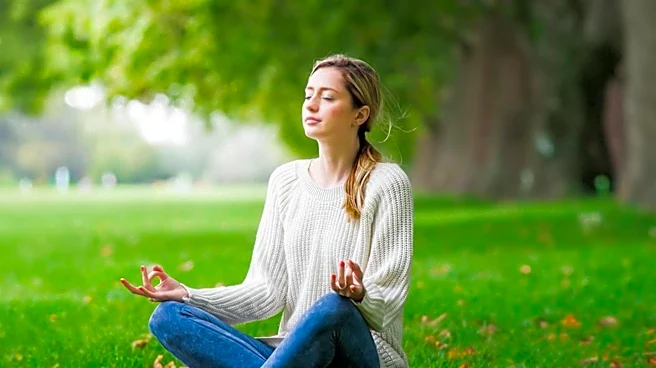
to fast-food culture. Over time, the principle of 'deliberate slowing down' has expanded to various aspects of life, including eating habits, work, and shopping. The core idea of slow living is not about moving slowly, but rather about being fully present in each moment. Adherents of slow living can still be productive and pursue careers, but they choose to avoid constant rushing, reduce distractions, and prioritize quality rest. This lifestyle is often linked to mental health benefits, as it helps to lower stress levels caused by fast-paced routines. Practices include focusing on one activity at a time, creating calm morning routines, limiting screen time, prioritizing quality over quantity, spending time in nature, and learning to decline commitments that add unnecessary burdens.
Why It's Important?
The growing adoption of slow living reflects a societal shift away from the relentless pace of modern life and the 'hustle culture' that often leads to burnout and stress. This movement is particularly relevant in the U.S., where high-pressure work environments and constant digital connectivity are prevalent. By promoting mindfulness and intentionality, slow living offers a counter-narrative to the prevailing emphasis on speed and productivity, potentially leading to improved mental well-being and a more balanced lifestyle for individuals. For industries, this could mean a greater demand for products and services that support a slower pace of life, such as artisanal goods, wellness retreats, and flexible work arrangements. It also highlights a growing consumer preference for quality and sustainability over mass consumption. The emphasis on reducing screen time and engaging with nature could also have broader implications for technology use and urban planning, encouraging the creation of more green spaces and opportunities for offline engagement.
What's Next?
As slow living continues to gain traction, it is likely to influence various sectors. Businesses may increasingly adapt by offering products and services that align with its principles, such as mindful consumption options, wellness programs, and flexible work models. The concept could also see further integration into public discourse around work-life balance and mental health, potentially leading to policy discussions on reducing work hours or promoting employee well-being. Individuals are expected to continue exploring and adopting practices like manual coffee brewing, home cooking, reading physical books, gardening, and scheduled offline time. The distinction between slow living, soft living (self-care and avoiding hustle), and frugal living (conscious financial management) will become clearer, with many finding ways to integrate elements of all three for a holistic approach to well-being and financial health. The trend suggests a continued re-evaluation of societal values, moving towards a greater appreciation for presence and intentionality.
Beyond the Headlines
The rise of slow living points to deeper societal implications, particularly concerning the redefinition of success and productivity. In a culture that often equates busyness with importance, slow living challenges individuals to find value in deliberate action and presence rather than constant activity. This shift could lead to a re-evaluation of consumerism, encouraging people to prioritize experiences and quality over material possessions. Ethically, it promotes a more sustainable way of living by advocating for conscious consumption and a reduced environmental footprint. Culturally, it fosters a return to traditional practices and rituals, such as tea ceremonies or manual crafts, which emphasize patience and attention to detail. The long-term impact could be a more resilient and mindful society, where individuals are better equipped to manage stress, cultivate deeper connections, and find greater fulfillment in their daily lives, moving away from the pressures of an 'always-on' world.