









What's Happening?
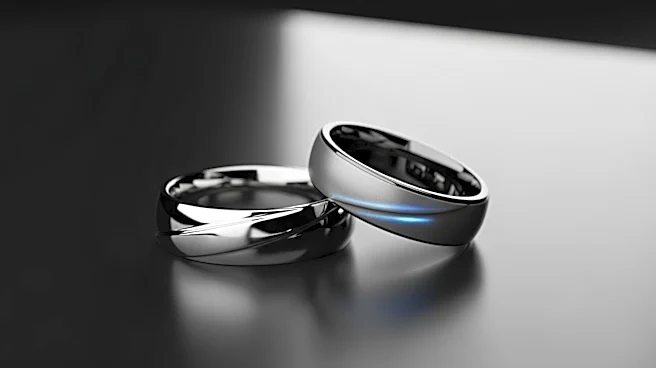
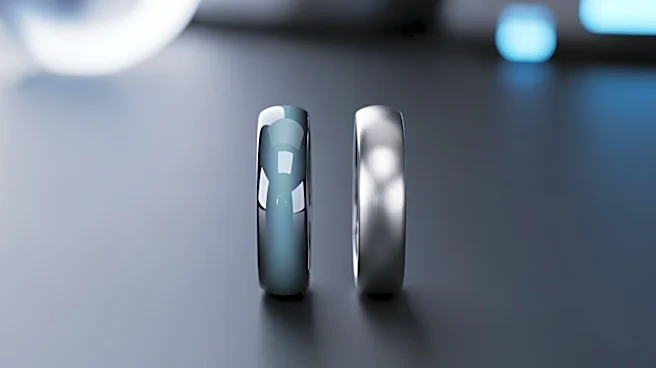
AWEAR, a new wearable device, is being tested as a tool to help users manage stress by providing real-time insights into their mental state. The device, which wraps around the ear, uses EEG sensors to monitor brain activity and sends data to a smartphone
app. This app provides users with a 'calm score' and suggests when to take breaks to manage stress levels. Antonio Forenza, the founder and CEO of AWEAR, developed the device to fill a gap in the wearables market, where existing products primarily track physical health metrics like heart rate. The device is currently in beta testing, with plans for a smaller, more discreet version in the future. Users are encouraged to wear the device for extended periods to allow the machine learning models to adapt to their individual brainwave patterns.
Why It's Important?
The introduction of AWEAR highlights a growing trend in the tech industry towards integrating mental wellness into wearable technology. As chronic stress is linked to serious health issues such as heart disease and stroke, tools like AWEAR could play a significant role in preventative health care. By providing users with actionable insights into their stress levels, the device could help reduce the incidence of stress-related health problems. This development also reflects a broader societal shift towards prioritizing mental health, with technology companies increasingly focusing on products that support psychological well-being. If successful, AWEAR could influence the design of future wearables, encouraging more comprehensive health monitoring that includes mental wellness.
What's Next?
AWEAR plans to officially launch the device next year, with improvements to its size and functionality. The company aims to enhance the device's ability to track brain health and potentially predict conditions like seizures or burnout. While AWEAR is not intended to replace traditional therapy, it could serve as a complementary tool, providing users with real-time feedback on their mental state. As the device evolves, it may offer more personalized insights, helping users manage stress more effectively. The success of AWEAR could lead to increased interest and investment in similar technologies, further integrating mental health monitoring into everyday life.