



What's Happening?
As the fall season provides an abundance of leaves and garden waste, home composting is emerging as a practical and beneficial activity for U.S. households. Composting involves breaking down organic materials into a nutrient-rich, soil-like substance.
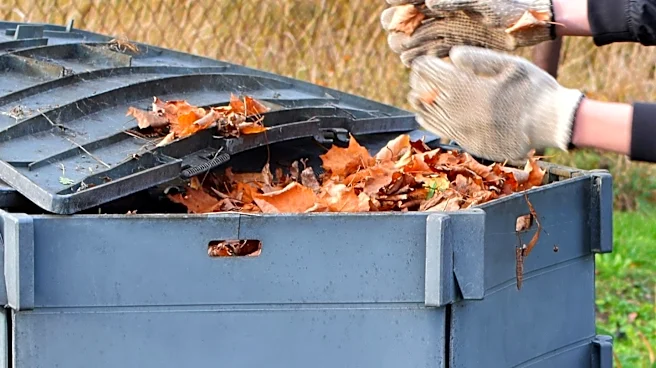
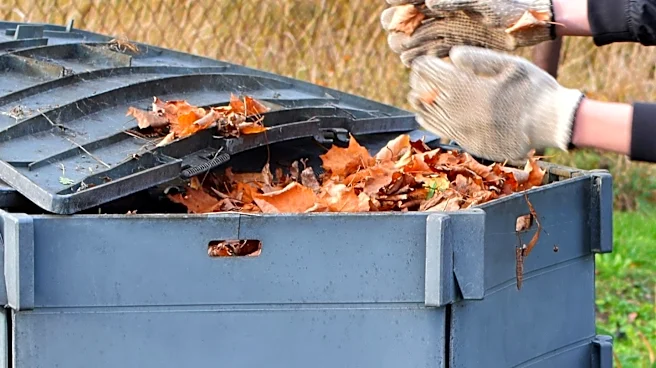
This process is particularly effective in the fall due to the plentiful supply of carbon-rich dry leaves and nitrogen-rich green materials like kitchen scraps and grass clippings. To start, individuals can choose between outdoor bins, piles, or worm bins. Maintaining a compost pile requires keeping it moist, similar to a wrung-out sponge, and turning it weekly to ensure aeration and speed up decomposition. Shredding leaves before adding them to the compost pile is recommended as it accelerates their breakdown from potentially over a year to just a few months. The ideal compost pile should be about three feet wide, deep, and tall to generate sufficient heat for decomposition while remaining manageable to turn by hand. Covering the pile during freezing conditions helps retain warmth and prevents waterlogging from winter precipitation, which can slow or halt the decomposition process.
Why It's Important?
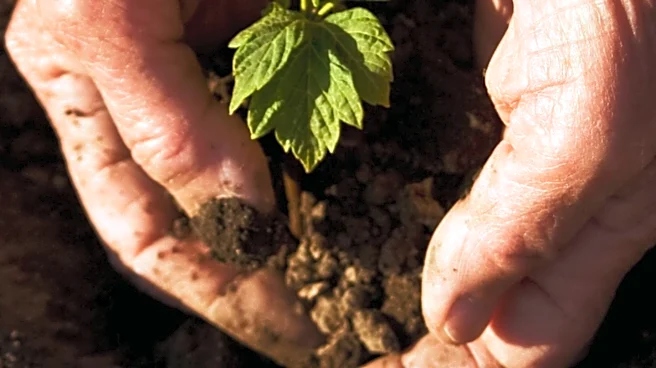
The increasing adoption of home composting in the U.S. holds significant environmental and economic importance. By diverting organic waste from landfills, composting reduces the volume of trash, thereby lowering disposal costs for municipalities and individuals. This practice also mitigates greenhouse gas emissions, as organic matter in landfills produces methane, a potent greenhouse gas. For gardeners, finished compost serves as a valuable soil amendment, improving soil structure, moisture retention, and nutrient availability, which can lead to healthier plant growth and reduced reliance on synthetic fertilizers. This not only saves money but also promotes sustainable gardening practices. The availability of seasonal materials like fall leaves makes it an accessible entry point for many, fostering a greater sense of environmental responsibility and resourcefulness within communities. The long-term benefits include enhanced soil health, reduced waste, and a more sustainable approach to managing household and yard waste.
What's Next?
Looking ahead, the trend of home composting is likely to continue growing, especially with ongoing efforts to promote waste diversion and sustainability. Educational initiatives from local governments and environmental organizations could further encourage participation by providing resources and guidance on effective composting techniques. The development of more user-friendly composting systems, such as compact, odor-controlled machines, could also make composting more appealing to urban dwellers or those with limited space. Additionally, as awareness of climate change and sustainable living increases, more households may seek ways to reduce their environmental footprint, with composting being a straightforward and impactful method. The continued availability of seasonal organic waste will ensure a steady supply of materials, making fall an opportune time for new composters to begin their journey.
Beyond the Headlines
Beyond its immediate benefits, the rise of home composting reflects a broader cultural shift towards self-sufficiency and environmental consciousness in the U.S. It encourages a deeper connection to natural cycles and a more mindful approach to consumption and waste. Ethically, it aligns with principles of stewardship and resource conservation, transforming what was once considered 'waste' into a valuable resource. Legally, as more states and municipalities implement organic waste landfill bans and diversion targets, home composting offers individuals a direct way to comply with and contribute to these regulations. This grassroots movement can also foster community engagement, with neighbors sharing knowledge and resources, potentially leading to more localized food systems and a reduced reliance on industrial agriculture. Ultimately, home composting is not just about managing waste; it's about cultivating a more sustainable and resilient lifestyle.