






What's Happening?
MedMassager has published an article detailing the causes, exercises, and safe massage techniques for a 'dowager's hump,' a visible rounding at the top of the back. The article identifies three primary causes: postural kyphosis from sustained slouching,
vertebral compression fractures due to osteoporosis, and a dorsocervical fat pad. It emphasizes that the appropriate response depends on the cause, with postural issues being responsive to exercise, while fractures and fat pads require medical evaluation. For postural kyphosis, recommended exercises include chin tucks, scapular squeezes, wall angels, doorway chest stretches, and prone Y raises. The article strongly advises against firm pressure or spinal manipulation if osteoporosis or fractures are suspected, recommending a doctor's visit and bone density check first.
Why It's Important?
Understanding the different causes of a dowager's hump is crucial for effective treatment and prevention, as misdiagnosis can lead to inappropriate and potentially harmful interventions. The distinction between postural, osteoporotic, and fat-pad related humps guides individuals and healthcare providers toward the correct course of action, whether it's exercise, medical treatment, or lifestyle changes. The warning against forceful spinal pressure in cases of potential osteoporosis is particularly vital, as such actions could exacerbate fractures or cause new injuries. This information empowers individuals to seek proper medical advice before attempting self-treatment, ensuring their safety and promoting better health outcomes. The article also highlights the importance of daily posture habits and targeted exercises in managing and improving postural kyphosis, which is a common issue in modern sedentary lifestyles.
What's Next?
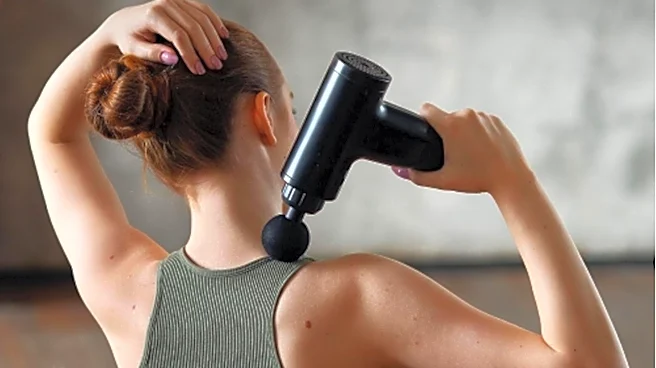
Individuals noticing a rounded upper back are advised to consult a doctor for an accurate diagnosis, especially if there's a possibility of osteoporosis or a fat pad. A physical exam, and potentially an X-ray or bone density scan, will determine the underlying cause. If postural kyphosis is identified, a routine of strengthening and stretching exercises, along with improved daily posture habits, is recommended. For those cleared by a doctor, gentle massage focusing on the muscles surrounding the spine, rather than direct pressure on the hump or vertebrae, can complement exercises. MedMassager suggests using their Neck Massager and Body Massager for this purpose, emphasizing low intensity and careful application.
Beyond the Headlines
The discussion around dowager's hump extends beyond physical appearance, touching upon significant public health concerns like osteoporosis and the impact of prolonged sedentary behavior. The prevalence of 'tech neck' and poor posture due to increased screen time contributes to postural kyphosis, highlighting a modern lifestyle challenge. The article implicitly advocates for proactive health management, encouraging individuals to be aware of their body changes and seek professional medical advice rather than relying on anecdotal remedies. This also brings to light the ethical considerations in wellness product marketing, where companies like MedMassager provide detailed medical disclaimers and guidance on when to consult a healthcare professional, promoting responsible use of their products in conjunction with medical oversight.