

What's Happening?
A sustainable inner thigh stretching routine prioritizes consistency and avoids pain or anxiety, adapting to individual movement needs. For instance, an office worker might focus on breaks from sitting, while an athlete would require a structured program
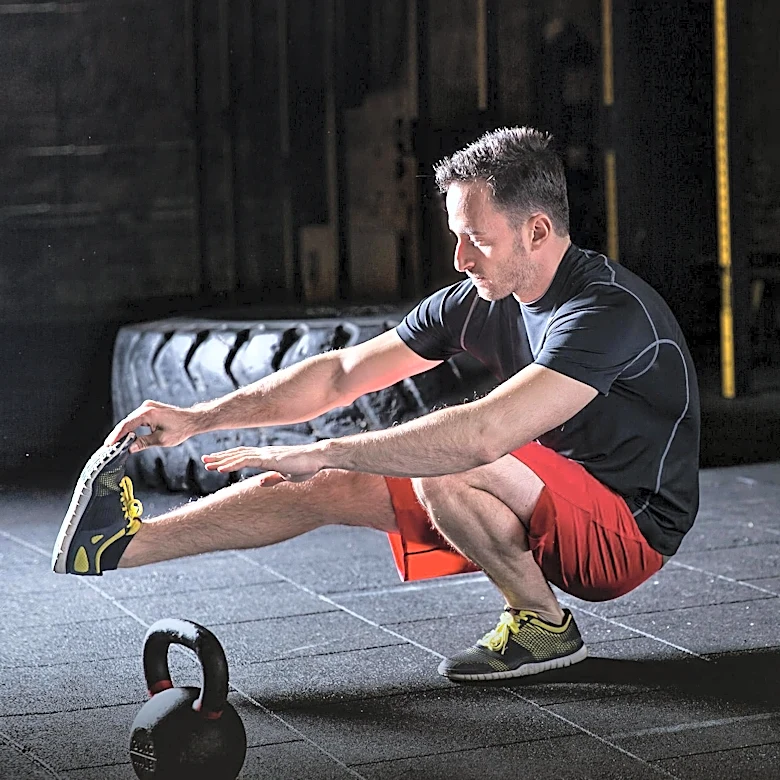
combining warm-up drills, adductor strength, workload management, and recovery. A practical routine can involve gentle whole-body warm-ups followed by controlled hip movements, such as easy leg swings, shallow side-to-side weight shifts, or slow bodyweight squats. Static inner thigh stretches are recommended after physical activity or during separate mobility sessions when muscles are already warm. These stretches should be performed without straining, holding a comfortable position, and returning slowly to neutral. Regular, moderate practice is generally more effective than occasional forceful attempts to achieve extreme flexibility. Another option is a lying adductor stretch, where individuals lie on their back with legs raised against a wall or supported on a chair, slowly allowing their legs to move apart under control. This method is particularly suitable for those who find standing positions challenging. The key is to perform short holds repeated a few times, as there is no universal duration or daily target for stretching.
Why It's Important?
The emphasis on sustainable and pain-free stretching routines is crucial for promoting long-term physical well-being and preventing injuries. By advocating for consistency and gentle practice over forceful attempts, this approach helps individuals integrate flexibility into their daily lives without risking muscle guarding, discomfort, or irritation. This is particularly important for diverse populations, from office workers seeking to counteract the effects of prolonged sitting to athletes aiming to enhance performance and reduce injury risk. The guidance on differentiating between dynamic warm-ups before activity and static stretches after activity or during dedicated mobility sessions provides a more nuanced and effective approach to flexibility training. This distinction helps optimize muscle preparation for exercise and aids in recovery, contributing to overall musculoskeletal health. Furthermore, the advice to seek medical assessment for persistent pain underscores the importance of professional guidance, preventing individuals from exacerbating underlying conditions by self-treating with stretches alone. This holistic view of stretching as part of a broader movement plan, rather than a standalone solution, empowers individuals to make informed choices about their physical activity.
What's Next?
Individuals can begin incorporating these principles into their daily routines by adopting gentle warm-ups and controlled hip movements before activities. After exercise or during dedicated mobility sessions, they can practice static inner thigh stretches, ensuring they remain within a comfortable range and avoid pain. Those with specific needs, such as individuals who find standing stretches difficult, can explore alternative methods like the lying adductor stretch. It is important to track the body's response to these routines; if a stretch consistently causes discomfort or worsens symptoms, adjustments to the range, frequency, or type of exercise should be made. For persistent inner-thigh or groin pain, seeking clinical assessment from a doctor or physiotherapist is the recommended next step to identify the underlying cause and receive personalized guidance. This proactive approach will help individuals develop a sustainable and effective flexibility regimen that supports their overall health and movement goals.
Beyond the Headlines
The shift in perspective from aggressive stretching to sustainable, pain-free routines highlights a broader understanding of physical health and injury prevention. This approach moves beyond the traditional 'no pain, no gain' mentality, recognizing that forcing stretches can be counterproductive and even harmful. It emphasizes the body's natural limits and the importance of listening to its signals, promoting a more mindful and respectful relationship with physical activity. This philosophy has implications for how fitness is taught and practiced, encouraging a focus on long-term health and functional movement rather than short-term, potentially damaging gains. Ethically, it underscores the responsibility of health and fitness professionals to provide evidence-based guidance that prioritizes safety and individual well-being. Culturally, it challenges the notion that extreme flexibility is always desirable, instead promoting the idea that comfortable, functional movement is the ultimate goal. This nuanced understanding of stretching contributes to a more holistic and sustainable approach to physical fitness for everyone.