








What's Happening?
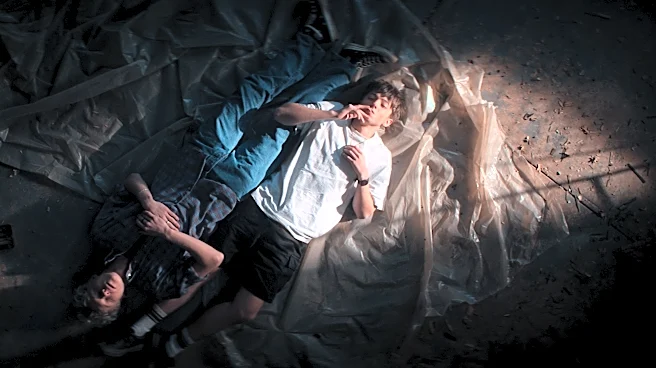
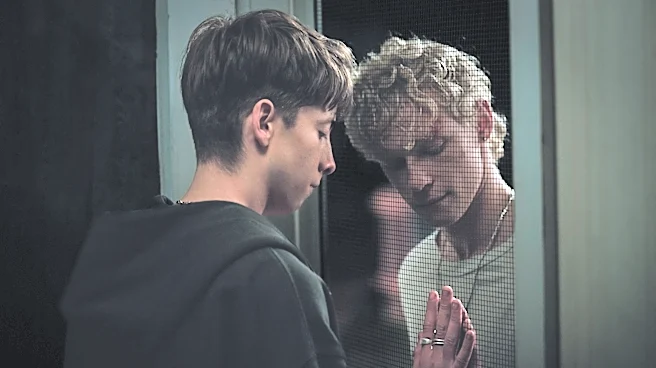
The film 'Leviticus,' directed by Adrian Chiarella, delves into the themes of homophobia and conversion therapy through a horror narrative. The movie follows two teenagers, Naim and Ryan, in a conservative town who are subjected to a conversion-therapy
ritual after their parents discover they are gay. The ritual involves a spiritual healer and results in the boys experiencing visions of each other, which are actually manifestations of a shapeshifting demon. The film is inspired by Chiarella's experiences and observations of homophobic rhetoric, particularly following the legalization of same-sex marriage in Australia. The narrative aims to address these issues from a personal angle, exploring the internalized effects of homophobia.
Why It's Important?
The film 'Leviticus' is significant as it addresses the ongoing issue of homophobia and the harmful practice of conversion therapy, which remains a controversial topic in many parts of the world, including the U.S. By using the horror genre, the film brings attention to the psychological and emotional trauma faced by LGBTQ+ individuals subjected to such practices. It also highlights the broader societal implications of homophobic rhetoric and its resurgence in political discourse. The film's personal storytelling approach may resonate with audiences, fostering empathy and understanding of the challenges faced by the LGBTQ+ community.
What's Next?
The film's open-ended conclusion leaves room for potential sequels or further exploration of similar themes with different characters. Director Adrian Chiarella has expressed interest in continuing to explore the queer experience through the horror genre, potentially addressing other aspects of LGBTQ+ life and challenges. The film's impact may also contribute to ongoing discussions about the need for legal and social reforms to protect LGBTQ+ rights and prevent harmful practices like conversion therapy.
Beyond the Headlines
Beyond its immediate narrative, 'Leviticus' challenges viewers to consider the nuanced forms of homophobia that can be masked as concern or care. It prompts reflection on the internalized nature of such prejudice and the long-term effects on individuals and their relationships. The film's horror elements serve as a metaphor for the pervasive and insidious nature of homophobia, suggesting that it is a societal 'monster' that must be confronted and overcome.