





What's Happening?
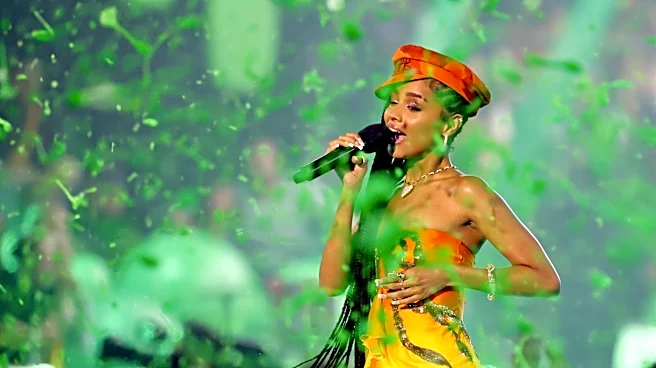
South African singer Tyla has publicly voiced her disappointment and frustration after reportedly being excluded from this year's Grammy nominations. In a post on her Instagram Story, which has since garnered significant attention and debate across social
media platforms, Tyla claimed that her omission was a deliberate move to accommodate Nigerian artists. Her exact words were, 'They know Tyla is a threat so they had to get me off the nominees to fit in Nigeria folks.' This statement has elicited varied reactions from her fanbase and the wider public, with some supporters rallying behind her and others questioning the validity of her claim. Tyla gained global recognition with her hit single 'Water' and has become a prominent music export from Africa, accumulating a substantial international following. The Recording Academy has not yet issued a response to Tyla's allegations. This incident has reignited ongoing discussions regarding African representation, competition, and recognition within the Grammy Awards.
Why It's Important?
Tyla's public statement regarding her Grammy nomination snub is significant as it brings to the forefront persistent discussions about fairness, representation, and perceived biases within major international music awards. Her claim of being excluded to make room for artists from a specific region, in this case, Nigeria, highlights underlying tensions and competitive dynamics within the African music scene as it gains global prominence. This situation could influence how artists from different African nations perceive their chances at international recognition and may fuel further debate on the transparency and criteria used by awarding bodies like the Grammys. For the U.S. music industry, which often looks to global trends and talent, such controversies can impact artist relations, public perception of award integrity, and future engagement with diverse international music markets. The incident also underscores the growing influence of African music genres and artists on the global stage, making the politics of recognition increasingly complex and scrutinized.
What's Next?
The immediate next step will likely involve continued public discussion and debate across social media platforms regarding Tyla's claims and the broader issue of African representation at the Grammys. The Recording Academy may face increased pressure to address Tyla's specific allegations or to issue a general statement regarding their nomination processes, especially given the ongoing nature of the debate. Depending on the Academy's response, or lack thereof, this could either quell or further intensify the controversy. Other artists, particularly those from Africa, might weigh in on the discussion, potentially forming alliances or expressing differing viewpoints on the competitive landscape. For Tyla, while this controversy unfolds, she is also scheduled to bring her A*POP World Tour to South Africa in January 2027, with Uncle Waffles as a supporting act, following performances in Europe, the UK, and North America, and preceding dates in Australia. This tour will provide her with a platform to connect with her global fanbase amidst the Grammy nomination discussion.
Beyond the Headlines
Tyla's assertion goes beyond a simple complaint about a missed nomination; it touches upon deeper issues of regional competition and perceived favoritism within the global music industry. The claim that she was excluded to 'fit in Nigeria folks' suggests a zero-sum game mentality, where the success of one regional group is seen as coming at the expense of another. This narrative, if it gains traction, could inadvertently foster divisions among African artists who are otherwise united in their efforts to gain international recognition. Ethically, it raises questions about whether award bodies inadvertently create or exacerbate such competitive tensions through their selection processes. Legally, while Tyla's statement is unlikely to lead to formal action, it highlights the lack of transparency that often surrounds award nominations, leaving room for speculation and accusations of bias. Culturally, it reflects the increasing global demand for African music and the intense competition that comes with such burgeoning popularity, forcing a re-evaluation of how diverse global talents are acknowledged and celebrated on international platforms.