



What's Happening?
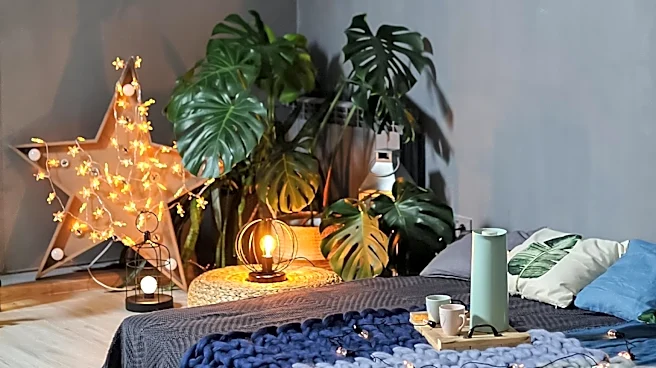
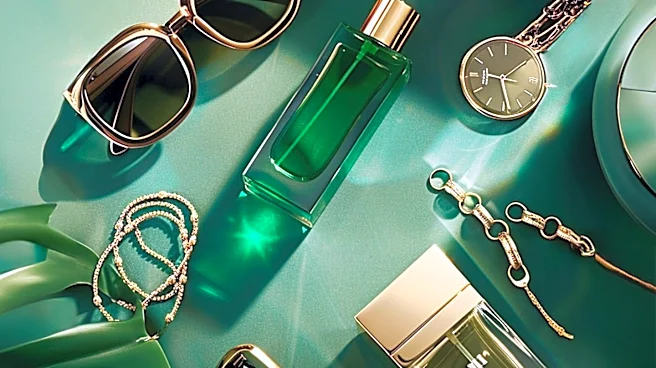
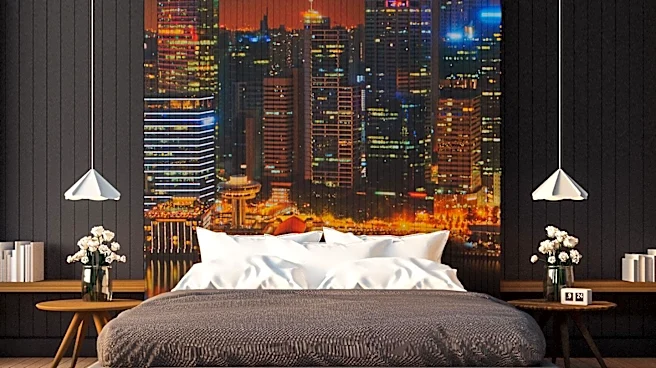
Luxury brands, traditionally focused on fashion, are increasingly expanding their reach into homeware, design, hospitality, and real estate. This strategic shift aims to create immersive lifestyle experiences for consumers, moving beyond merely dressing
them to designing their entire world. Companies like Armani, Ralph Lauren, Hermes, and Fendi are developing extensive home collections, branded hotels, and residential properties. This expansion is driven by a recognition that the traditional luxury market, centered on handbags and apparel, is reaching a structural ceiling. The new approach seeks to deepen cultural legitimacy and aesthetic recognition by integrating the brand into various aspects of a consumer's life, from their dining table to their residence. The global luxury furniture market is projected to grow, and branded residences have seen significant expansion, indicating a strong market for this broader lifestyle integration.
Why It's Important?
This trend signifies a fundamental redefinition of luxury, moving from transactional product sales to a more holistic 'share of life' model. For U.S. consumers, this means an increased availability of luxury brand aesthetics and quality in their homes and daily environments, potentially influencing interior design trends and consumer expectations for home goods. For businesses, particularly in the retail and real estate sectors, it presents both opportunities and challenges. Luxury brands can tap into new revenue streams and build deeper customer relationships, but they also face the complexities of new industries like hospitality and real estate. The shift also reflects evolving consumer preferences, where status is increasingly signaled through curated experiences, art, and design rather than just visible products, impacting marketing strategies and product development across various industries.
What's Next?
The expansion of luxury brands into homeware and lifestyle is expected to continue, with a focus on creating comprehensive brand universes. This will likely lead to more collaborations between fashion houses and specialized furniture or hospitality experts. We can anticipate further growth in branded residences and luxury home collections, particularly in emerging markets. Brands will need to carefully manage their expansion to maintain authenticity and avoid diluting their core identity, as past licensing excesses have shown. The emphasis will be on delivering consistent aesthetic discipline and quality across all categories, ensuring that each new venture genuinely extends the brand's ethos rather than merely serving as a royalty stream. Consumers can expect more integrated luxury offerings that blend fashion, home, and experiential elements.
Beyond the Headlines
The deeper implication of this trend lies in the evolving psychology of consumerism and the concept of 'taste.' As luxury brands permeate more aspects of daily life, they contribute to a broader cultural narrative where personal identity is increasingly intertwined with curated environments and experiences. This could lead to a more homogenized aesthetic among affluent consumers, as brand universes dictate design choices. Conversely, it might also empower consumers to express their identity through a wider range of luxury touchpoints. The ethical considerations around sustainability and accessibility in this expanded luxury market will also become more prominent, as brands move into areas with larger environmental footprints and broader societal impact. The long-term shift could see luxury becoming less about individual items and more about an all-encompassing, aspirational way of living.