





What's Happening?
Uber Technologies is currently experiencing significant driver shortages that are hindering the growth of both its ride-hailing (Mobility) and food delivery businesses. Management has indicated that the lack of sufficient drivers is preventing the company
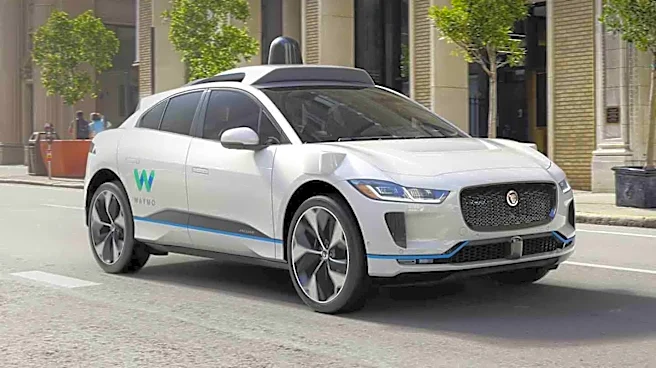
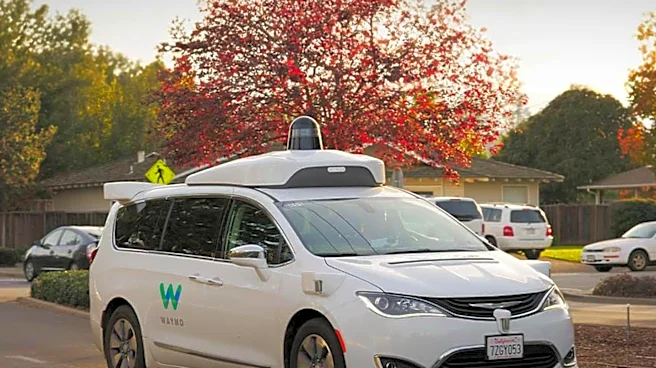
from meeting strong consumer demand, particularly in international markets for its Mobility segment. This issue led to Uber's Mobility revenue growth slowing to 18.3% in fiscal 2025, down from 26.5% in fiscal 2024. To address the problem, Uber is reallocating incentives, shifting funds from rider fare reductions to increased driver pay, which may result in higher prices for riders and potential trade-offs against profitability. Despite these challenges, Uber generated a record $10.4 billion in free cash flow in the twelve months ending September 30 and anticipates having approximately 700 fully driverless vehicles on its platform by year-end.
Why It's Important?
The driver shortage is a critical issue for Uber as its Mobility business accounted for 57.0% of the company's total revenue in fiscal 2025, generating $29.7 billion. The inability to adequately staff its core services directly impacts revenue growth and market share. The strategy of increasing driver incentives by potentially raising rider fares could affect customer loyalty and demand, especially in a competitive market. This situation highlights the ongoing tension between platform profitability, driver compensation, and consumer pricing in the gig economy. Investors are closely watching these developments, as Uber's stock, despite a recent drop, still trades at a premium compared to the S&P 500, suggesting an expectation of rapid profit growth that could be jeopardized by operational constraints like driver supply.
What's Next?
Uber's immediate next steps involve continuing to adjust its incentive structures to attract and retain more drivers and couriers. The company will likely monitor the impact of these changes on both driver supply and rider demand, as increased fares could lead to a decrease in ride requests. The deployment of approximately 700 fully driverless vehicles by year-end could offer some relief to driver supply issues in specific markets, though this is a gradual rollout. Management will need to balance profitability goals with the necessity of maintaining a robust supply of service providers. Future earnings calls will likely provide updates on the effectiveness of these strategies and any further adjustments to pricing or driver compensation models.
Beyond the Headlines
This situation underscores a broader challenge within the gig economy: the sustainability of business models heavily reliant on a flexible, independent workforce. The need to continuously adjust incentives to attract drivers points to potential structural issues in worker compensation and benefits, which could lead to increased regulatory scrutiny or calls for reclassification of gig workers. Furthermore, the reliance on driverless technology as a long-term solution highlights the industry's push towards automation to mitigate labor costs and supply chain vulnerabilities. The trade-off between profitability and driver welfare, as well as the eventual impact of autonomous vehicles on human employment in the transportation sector, remains a significant ethical and economic consideration.