







What's Happening?
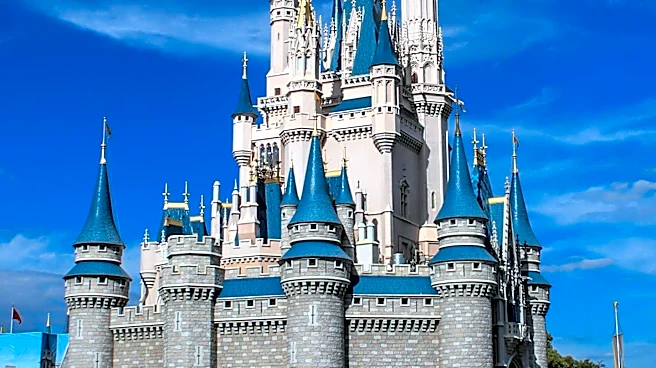
Five expert travel planners specializing in Walt Disney World vacations unanimously advise visitors to 'do less' for a more memorable trip. This counterintuitive advice suggests that instead of trying to experience every attraction, resort, and dining
option, travelers should focus on intentional pacing, smart prioritization, and allowing time for enjoyment. Many first-time adult visitors often create over-scheduled itineraries, leading to exhaustion and a feeling that the trip was not a true vacation. Experts like Jamie Rumph of Love of the Magic Vacations emphasize customization, stating that the best trip is tailored to individual wants and needs, which might involve skipping Park Hopper options or opting for fewer park days to enjoy resort amenities. Beci Mahnken, founder and CEO of MEI-Travel & Mouse Fan Travel, recommends that each group member list their must-dos to create a more focused and realistic plan, reducing pressure and making the trip feel intentional rather than chaotic. Jennifer Filling of About the Memories Travel notes that the 'once-and-done' trap often leads to overpacked schedules, causing families to miss quiet moments that become core memories.
Why It's Important?
This shift in advice from Disney World experts highlights a growing recognition of traveler burnout and the desire for more meaningful vacation experiences. For the U.S. tourism industry, particularly large theme park destinations, this guidance could influence how travel packages are marketed and how visitors plan their trips. It suggests a move away from maximizing every minute and toward a more relaxed, quality-over-quantity approach. This could lead to changes in visitor behavior, potentially spreading out demand for attractions and services, and encouraging longer stays at resorts. For families and individuals, adopting this advice could result in more satisfying vacations, reducing stress and increasing overall enjoyment, which in turn could foster greater loyalty to destinations that promote such experiences. The emphasis on customization also empowers travelers to design trips that truly align with their preferences, rather than feeling compelled to follow a rigid, pre-defined itinerary.
What's Next?
Travel agencies and Disney World itself may begin to incorporate this 'do less' philosophy into their planning tools and recommendations. This could manifest in new itinerary suggestions that include more downtime, resort-focused activities, or flexible scheduling options. Marketing campaigns might shift to emphasize relaxation and personalized experiences rather than the sheer volume of attractions. Travelers might increasingly seek out expert advice to help them prioritize and customize their trips, potentially boosting the demand for specialized travel planners. Furthermore, the trend could encourage Disney to enhance its resort offerings and non-park activities, providing more incentives for guests to slow down and enjoy the broader Disney experience beyond the theme parks. This could also lead to a re-evaluation of pricing structures for park tickets and add-ons, as the focus shifts from quantity of experiences to quality and personalization.
Beyond the Headlines
The advice to 'do less' at Disney World reflects a broader cultural shift towards valuing well-being and intentionality in leisure activities. In a society often driven by productivity and constant engagement, the idea of slowing down, even on vacation, challenges conventional notions of maximizing value. This trend could have long-term implications for the travel industry, encouraging destinations to rethink their offerings to cater to a more mindful traveler. It also touches upon the psychological aspect of vacationing, where the pressure to achieve a 'perfect' trip can paradoxically lead to stress and dissatisfaction. By advocating for a more relaxed approach, experts are implicitly promoting mental well-being and a more authentic engagement with the travel experience. This could foster a more sustainable model of tourism, where visitors are encouraged to savor moments rather than rush through them, potentially leading to deeper connections with the destination and a greater appreciation for the journey itself.