





What's Happening?
In September 2026, industrial producer prices in the euro area increased by 2.5% compared to August 2026, while in the broader European Union (EU), they rose by 2.6%. These figures, released by Eurostat, the statistical office of the European Union, indicate
a continued upward trend, following increases of 2.0% in the euro area and 1.9% in the EU in August 2026. Annually, industrial producer prices in September 2026 saw a significant increase of 11.1% in the euro area and 10.9% in the EU compared to September 2025. The energy sector was a primary driver of these monthly increases, with prices rising by 7.8% in the euro area and 7.7% in the EU. Other sectors also experienced increases, including intermediate goods (0.2% in both regions), capital goods (0.1% in both regions), durable consumer goods (0.3% in the euro area, 0.2% in the EU), and non-durable consumer goods (0.2% in both regions). Prices in total industry excluding energy increased by 0.1% in the euro area and 0.2% in the EU.
Why It's Important?
The consistent rise in industrial producer prices across the euro area and the EU signals potential inflationary pressures that could impact global markets, including the U.S. economy. Increased production costs in Europe can lead to higher prices for imported goods in the U.S., affecting consumer purchasing power and potentially contributing to imported inflation. For U.S. businesses with supply chains linked to Europe, these price hikes could translate into higher operational costs and reduced profit margins. Conversely, U.S. exporters to the EU might find their products more competitively priced if European domestic production costs continue to climb. The energy sector's substantial contribution to these increases highlights the ongoing volatility in global energy markets, which can have ripple effects on energy prices and industrial output worldwide. This trend could also influence central bank policies in both regions, as they aim to manage inflation while supporting economic stability.
What's Next?
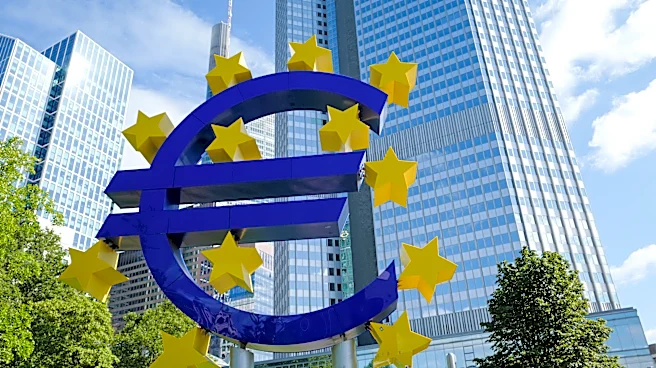
The European Union will continue to monitor these price trends closely, with future policy decisions likely influenced by whether these increases are sustained or begin to moderate. Central banks, including the European Central Bank, may consider further monetary policy adjustments to address inflationary pressures. Businesses operating within or trading with the EU will need to adapt to potentially higher input costs, which could lead to adjustments in pricing strategies and supply chain management. The focus will be on how these industrial producer price increases translate into consumer prices and the broader economic landscape. Further data releases from Eurostat will provide more insights into the trajectory of these prices and their impact on the European and global economies.
Beyond the Headlines
The sustained increase in industrial producer prices, particularly in the energy sector, underscores the complex interplay of global economic factors, including geopolitical events and supply chain dynamics. This situation could accelerate the push for greater energy independence and diversification within the EU, potentially leading to increased investment in renewable energy sources. Such a shift could create new opportunities for U.S. companies specializing in green technologies and energy infrastructure. Furthermore, the inflationary environment might prompt a re-evaluation of trade agreements and economic partnerships, as countries seek to secure more stable and affordable supply chains. The long-term implications could include a restructuring of global manufacturing and trade flows, with a greater emphasis on regionalization and resilience against external shocks.