





What's Happening?
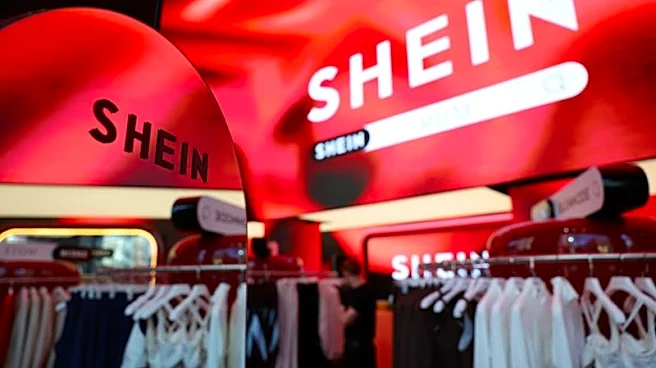
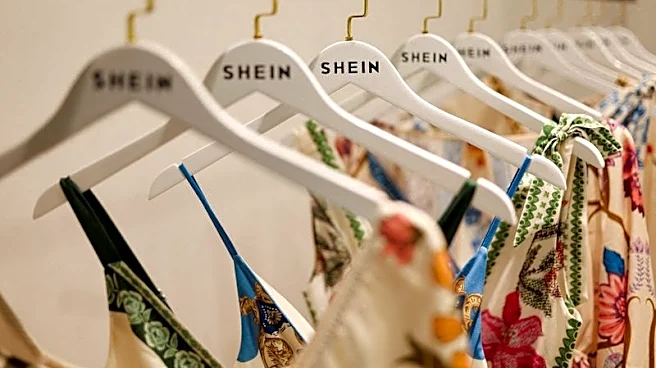
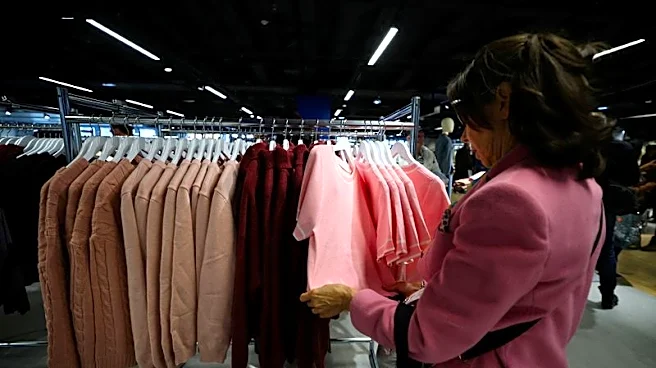
Thrift stores across the U.S. are increasingly filled with items from fast fashion brands like Zara, H&M, Forever 21, Shein, and Fashion Nova. This phenomenon is a direct result of consumers buying vast quantities of clothing, rapid trend cycles, and garments
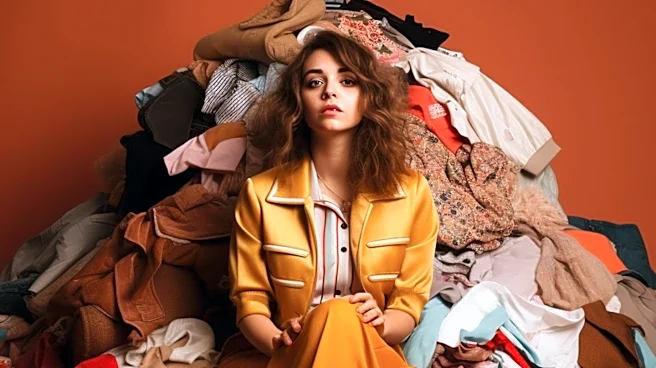
not being kept for long periods. The Ellen MacArthur Foundation reported that clothing production doubled between 2000 and 2015, while the number of times garments were worn before discard fell by 36%. The ease of purchasing inexpensive clothing for specific occasions, coupled with advice to declutter closets, contributes to the continuous flow of items into donation centers. While donating is preferable to discarding, the sheer volume of barely-worn fast fashion raises questions about the underlying consumption patterns. The United Nations Environment Programme (UNEP) highlights overproduction and overconsumption as major contributors to fashion's growing waste problem, with perfectly wearable clothes often deemed 'old' before they are worn out.
Why It's Important?
The overwhelming presence of fast fashion in U.S. thrift stores underscores a critical issue in the nation's consumption habits and its environmental impact. This trend signifies a systemic problem where clothing is treated as disposable, leading to significant textile waste. The EPA estimated that Americans generated 13 million tons of clothing and footwear waste in 2018 alone. While thrifting offers a second life for garments, it cannot fully mitigate the environmental consequences of overproduction and overconsumption. The low cost of fast fashion encourages impulse buying and single-use mentality, making it easier for consumers to purchase items for short-term trends or specific events without considering their longevity. This cycle places immense pressure on natural resources for production and creates a burden on waste management systems. For businesses, it highlights the need for more sustainable practices and a shift towards circular economy models, while for consumers, it emphasizes the importance of conscious purchasing decisions and valuing garment durability.
What's Next?
Addressing the influx of fast fashion in thrift stores will require a multi-faceted approach. Consumers may be encouraged to adopt more mindful shopping habits, focusing on quality over quantity, repairing existing garments, and considering the environmental impact of their purchases. Brands might face increasing pressure to implement more sustainable production methods, offer repair services, or participate in take-back programs. Policy discussions could emerge regarding regulations on textile waste and incentives for sustainable fashion practices. Thrift stores themselves may need to adapt to the changing inventory, potentially focusing more on upcycling initiatives or finding new ways to manage the sheer volume of donations. The conversation will likely continue to shift towards a broader understanding that while donating is good, reducing initial consumption is a more fundamental solution to the fast fashion problem.
Beyond the Headlines
The phenomenon of fast fashion dominating thrift store racks reveals deeper societal attitudes towards value, convenience, and disposability. The ease and affordability of fast fashion have normalized a culture where clothing is seen as transient, rather than an investment. This contrasts sharply with historical perspectives where garments were mended, altered, and worn for extended periods. The psychological impact of constant new trends and the pressure to keep up with social media aesthetics also play a role in accelerating consumption cycles. Ethically, it raises questions about labor practices in fast fashion production and the true cost of inexpensive clothing. The challenge lies not just in managing waste, but in fundamentally altering consumer mindsets and industry practices to prioritize sustainability, durability, and ethical production. This shift could lead to a re-evaluation of what constitutes 'fashionable' and a greater appreciation for timeless, well-made pieces.