








What's Happening?
Dollar General is being sued by the Federal Trade Commission (FTC) and 20 U.S. states for allegedly charging customers higher prices at the register than those advertised on shelves and in advertisements. The complaint, filed in federal court for the Middle
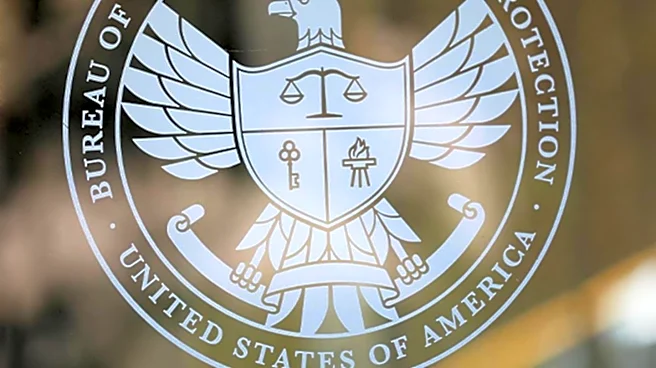
District of Tennessee, asserts that this practice has been ongoing for years, resulting in millions of dollars in overcharges across thousands of the retailer's stores. Christopher Mufarrige, director of the FTC's Bureau of Consumer Protection, stated that Dollar General has 'betrayed the trust of millions of American consumers' and caused 'significant financial harm.' The FTC alleges that despite tens of thousands of consumer complaints about price discrepancies, the company failed to implement adequate policies to rectify the issue. The states involved in the lawsuit include Alabama, Arizona, Arkansas, California, Connecticut, Florida, Illinois, Iowa, Kansas, Louisiana, Michigan, Mississippi, Nebraska, New Jersey, North Carolina, Ohio, Oklahoma, Tennessee, Utah, and Wisconsin. Dollar General, which operates over 21,000 stores primarily in rural and lower-income communities, has not yet commented on the lawsuit.
Why It's Important?
This lawsuit carries significant implications for Dollar General and the broader retail sector, particularly for discount retailers catering to budget-conscious consumers. The core of Dollar General's business model relies on offering value, and these allegations of deceptive pricing directly undermine that trust. A prolonged legal battle could lead to substantial civil penalties and mandated overhauls of pricing systems across its extensive store network. Furthermore, the negative publicity generated by the lawsuit could deter customers, impacting foot traffic and sales in the communities it serves. For consumers, especially those in lower-income brackets who rely on Dollar General for affordable goods, these alleged overcharges represent a direct financial burden. The FTC's involvement, alongside a large coalition of states, signals a strong regulatory push to protect consumers from deceptive pricing, potentially setting a precedent for increased scrutiny of pricing practices across the retail industry.
What's Next?
The lawsuit will proceed in federal court, likely involving discovery phases where both sides gather evidence. Dollar General will need to respond to the allegations, which could include denying the claims, seeking a settlement, or preparing for a trial. The outcome could result in court-ordered changes to Dollar General's pricing and operational practices, significant financial penalties, and potentially restitution for affected consumers. The company's stock shares have already seen a decline following the announcement of the lawsuit, indicating immediate financial market reaction. Depending on the court's decisions, other states or consumer protection groups might initiate similar actions. The case will also be closely watched by other retailers, who may review their own pricing accuracy protocols to avoid similar legal challenges from federal and state regulators.
Beyond the Headlines
Beyond the immediate legal and financial ramifications, this case highlights broader issues of corporate responsibility and consumer protection, particularly for vulnerable populations. Dollar General's business model targets communities where consumers may have fewer shopping alternatives and are more susceptible to price discrepancies. The alleged failure to address widespread complaints over an extended period raises questions about corporate governance and ethical business practices. This lawsuit could prompt a wider discussion on the effectiveness of internal compliance mechanisms in large retail chains and the need for more robust oversight to ensure pricing integrity. It also underscores the ongoing challenge for regulatory bodies to enforce fair pricing in an era of complex retail operations and diverse pricing strategies, emphasizing the importance of consumer vigilance and accessible complaint mechanisms.