






What's Happening?
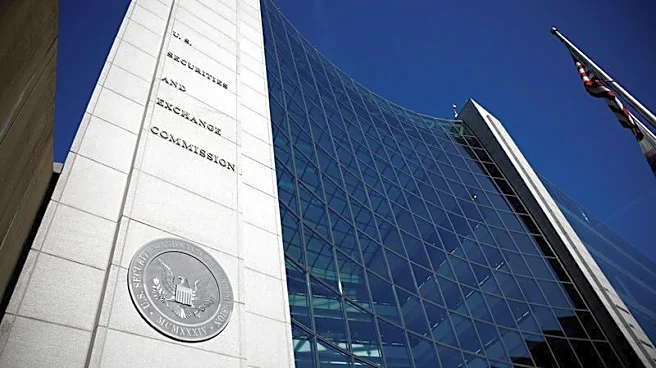
The U.S. Securities and Exchange Commission (SEC) has initiated an enforcement action against Papamarkou Wellner Asset Management, Inc. ('Papamarkou'), a New York-based registered investment adviser managing approximately USD 358 million in assets. The SEC alleges
that Papamarkou failed to adhere to the terms of its investment advisory agreements concerning fee calculations. Specifically, the firm reportedly did not deduct a portion of the compensation received by its affiliated broker-dealer from six third-party private fund managers, contrary to its agreements and Form ADV Part 2A disclosures. This non-compliance also created a conflict of interest, as it incentivized Papamarkou to recommend investments to these six fund managers due to higher fees. The SEC found that Papamarkou negligently violated the antifraud provision of the Investment Adviser Act of 1940, in addition to other compliance provisions. The settlement includes disgorgement, prejudgment interest, and a civil penalty totaling USD 488,959.05.
Why It's Important?
This enforcement action underscores the SEC's continued vigilance in scrutinizing the practices of registered investment advisers, even amidst reports of potential retrenchment. The case highlights that discrepancies between an investment advisory agreement's terms and an adviser's actual practices can be viewed as fraud by the SEC. This is particularly significant for high net-worth retail clients, who rely on these agreements for transparency and fair fee structures. The SEC's focus on non-compliance related to fees, expenses, and conflicts of interest indicates a broader regulatory emphasis on protecting investors from misleading practices. Investment advisers across the U.S. must ensure robust, ongoing compliance monitoring to align their operations with contractual terms, thereby mitigating legal and financial risks and maintaining client trust.
What's Next?
Investment advisers are now on notice regarding the SEC's strict interpretation of contractual compliance, especially concerning fee calculations and conflict of interest disclosures. Firms will likely review their existing investment advisory agreements and internal compliance procedures to identify and rectify any potential inconsistencies. This may lead to increased investment in compliance infrastructure and training for advisory staff. The SEC is expected to continue its active examination and enforcement efforts, potentially leading to more actions against firms found to be non-compliant. Advisers should anticipate heightened scrutiny of their fee structures and any arrangements involving third-party compensation to ensure full transparency and adherence to regulatory standards.
Beyond the Headlines
This case extends beyond a simple fee dispute, touching upon the ethical obligations of investment advisers to their clients. The alleged failure to deduct compensation, creating an incentive to recommend specific fund managers, highlights a fundamental conflict of interest that can erode client trust and distort investment advice. The SEC's action reinforces the principle that an adviser's primary duty is to their client's best interest, free from undisclosed financial incentives. This ruling could prompt a broader re-evaluation within the investment advisory industry regarding the clarity and enforceability of client agreements, pushing for more explicit disclosures and stricter internal controls to prevent similar conflicts. It also emphasizes the importance of continuous regulatory adaptation to evolving financial products and services.