




What's Happening?
In Prato, Italy, a significant Wenzhounese youth population is playing a pivotal role in shaping one of Italy's largest fashion manufacturing hubs. This community, originating from Wenzhou, China, began migrating to Prato in the early 1990s, establishing
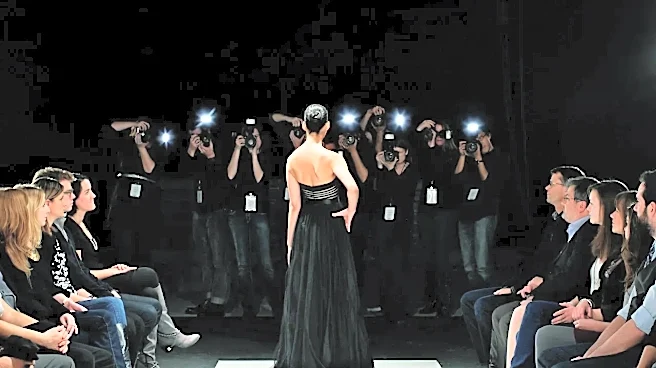
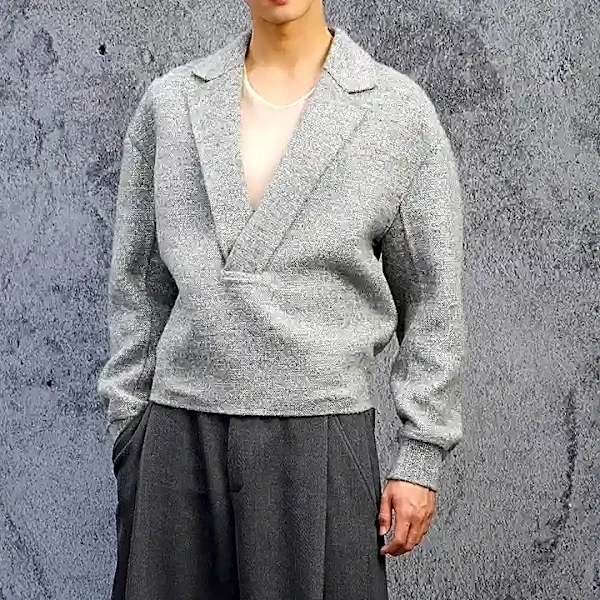
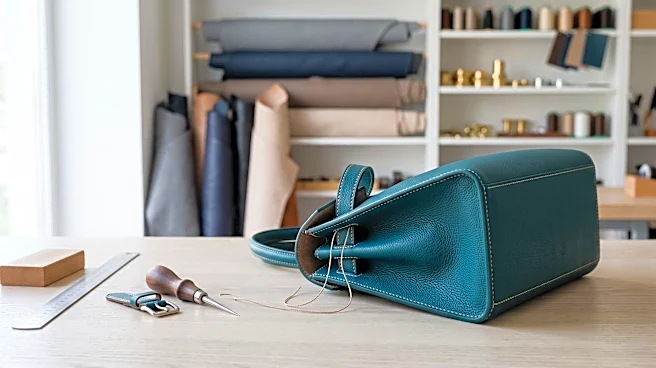
numerous small factories and revitalizing the region's textile industry. These young individuals, many of whom were born in Italy, are navigating a unique cultural identity that merges their Chinese heritage with Italian manufacturing traditions. They are actively involved in producing garments for a wide range of brands, from fast fashion giants like Zara and Brandy Melville to luxury labels such as Gucci and Prada, all bearing the 'Made in Italy' label. This blend of traditional craftsmanship and modern fast fashion trends has made Prato a dynamic and complex center for textile production, despite facing challenges related to labor practices and overproduction.
Why It's Important?
The evolving fashion landscape in Prato, driven by Wenzhounese youth, has significant implications for the U.S. fashion industry and global supply chains. The 'Made in Italy' label is highly valued in the U.S. market, often associated with quality and luxury. The involvement of Wenzhounese youth in producing these goods highlights the complex, globalized nature of modern fashion manufacturing, where traditional European craftsmanship intersects with diverse labor forces and fast fashion demands. For U.S. consumers and brands, this means that the origin story of their 'Made in Italy' garments is more nuanced than often perceived. It also underscores the ethical considerations within global supply chains, as Prato, despite its reputation for craftsmanship, has also faced issues like wage theft and labor violations. Understanding these dynamics is crucial for U.S. companies committed to ethical sourcing and transparency.
What's Next?
The cultural and economic shifts in Prato are likely to continue as the second generation of Wenzhounese youth further integrates into and innovates within the local fashion industry. This could lead to new design aesthetics that blend Eastern and Western influences, potentially impacting global fashion trends. There may be increased scrutiny on labor practices within Prato's factories, pushing for greater transparency and improved working conditions, which could influence sourcing decisions for U.S. brands. The unique identity forged by these young individuals could also inspire new entrepreneurial ventures and collaborations, further diversifying the Italian fashion landscape. As global fashion continues to evolve, Prato's model of blending diverse cultural influences with manufacturing expertise could serve as a case study for other international production hubs.
Beyond the Headlines
The story of Wenzhounese youth in Prato delves into deeper themes of identity, cultural integration, and the redefinition of national labels in a globalized world. The 'Made in Italy' label, traditionally synonymous with Italian heritage and craftsmanship, is now being shaped by a diverse workforce that brings its own cultural background and work ethic. This challenges conventional notions of national identity in manufacturing and highlights how immigration and cultural exchange can revitalize industries. The tension between traditional craftsmanship and the demands of fast fashion also raises ethical questions about sustainability, labor rights, and consumer responsibility. For the U.S., this narrative encourages a more critical examination of product origins and the human stories behind the labels, fostering a greater appreciation for the complex interplay of global cultures in shaping everyday goods.